NEET UG 2026: 99% Students Get First Choice Exam City | Admit Card on April 26

The National Testing Agency (NTA) has released a major update for NEET aspirants this year. In a significant development, over 99.2% of candidates have been allotted their first-choice exam city for NEET UG 2026.

This comes as a huge relief for lakhs of students across India, especially with the exam just around the corner. The NEET UG 2026 exam is scheduled for May 3, and the admit cards will be released on April 26, containing complete exam centre details.


📅 NEET UG 2026: Important Dates

  • City Intimation Slip Released: April 12, 2026
  • Admit Card Release: April 26, 2026
  • Exam Date: May 3, 2026

Candidates are advised to regularly check the official NTA website to download their admit cards as soon as they are released.


🎯 99.2% First Choice City Allotment – A Big Relief

One of the most notable highlights this year is the high percentage of candidates receiving their preferred exam city.

📊 Key Highlights:

  • 99.2% candidates allotted first preference city
  • ✔ Remaining candidates received second or third choices
  • ✔ Minimal inconvenience reported

💡 Why This Is Important:

For a large-scale exam like NEET UG, city allocation plays a crucial role in reducing stress. This improvement ensures:

  • Less travel burden 🚍
  • Better mental focus 🧠
  • Reduced logistical issues
  • Improved exam-day experience

This reflects the improved planning and execution by the NTA compared to previous years.


📝 How NEET Exam City Allotment Works

During the application process, candidates were asked to select up to three preferred exam cities based on:

  • Permanent address
  • Current residence

However, in some cases, only one or two options were available depending on location constraints.

The final allotment depends on:

  • Candidate preferences
  • Availability of exam centres
  • Administrative feasibility

🎫 NEET UG 2026 Admit Card – What You Need to Know

The admit card is a mandatory document for appearing in the exam.

📌 Details Mentioned in Admit Card:

  • Candidate’s name and roll number
  • Exam centre address
  • Reporting time
  • Exam instructions
  • Photograph and signature

⚠️ Important: Candidates will not be allowed to enter the exam hall without a valid admit card.


🚀 Preparation Tips Before Exam Day

With the exam just days away, students should focus on final preparation:

  • ✅ Revise important topics and formulas
  • ✅ Visit your exam centre location in advance
  • ✅ Keep documents ready (Admit Card + ID proof)
  • ✅ Avoid last-minute travel stress
  • ✅ Maintain a calm and confident mindset

📊 What This Means for NEET Aspirants

The high percentage of first-choice city allotment shows that the NTA is working towards making the examination process smoother and more student-friendly.

For aspirants, this means:

  • More time to focus on preparation
  • Less anxiety related to travel
  • Better overall exam experience

🎓 Final Words

As NEET UG 2026 approaches, this update brings a positive start for candidates. With 99% students getting their preferred exam city, the focus now shifts entirely to performance on exam day.

Stay focused, stay confident — your medical journey begins here! 🩺✨

Nursing Admission Without NEET – Truth Explained (2026 Update)

“Is NEET UG compulsory for nursing admission?”

This is one of the biggest questions students and parents are asking in 2026.
With changing rules, different state policies, and confusion around central counseling, many students are unsure about the correct path.

👉 Let’s break down the real situation based on the last 2–3 years trends and current updates.


🎓 Is NEET UG Compulsory for Nursing?

✅ The Honest Answer:

NEET UG is NOT completely compulsory for nursing admission in India (as of 2026).

However, it is partially implemented in some systems.


🏥 Where NEET UG IS Required

NEET UG becomes important in certain cases:

✔ Central Institutes & Universities

  • Admissions in central institutions are often conducted through
    👉 Medical Counselling Committee
  • In such cases, NEET UG score is required
  • Counseling is centralized and merit-based

✔ Some State Government Colleges

  • Few states have started using NEET UG marks for BSc Nursing admission
  • Especially in structured counseling systems

⚠️ Where NEET UG is NOT Required

Even today, in many cases:

✔ Private Colleges & Universities

  • Admission based on 12th PCB marks
  • Direct admission or merit-based selection

✔ State-Level Admissions

  • Many states conduct their own entrance exams
  • Some follow +2 merit-based admission

✔ ANM & GNM Courses

  • No NEET UG required
  • Admission based on:
    • State entrance exams OR
    • 12th marks (merit quota)

📊 Current Trend (Very Important Insight)

👉 Over the last 2–3 years:

  • NEET UG has been introduced in some systems
  • But it is not uniformly implemented across India

👉 Many states are:

  • Conducting their own entrance exams
  • Continuing with merit-based admissions

🔮 Future Trend (What Students Should Expect)

⚠️ Slowly, the system is evolving

  • There is a possibility that NEET UG may become compulsory in the future
  • More states and institutions are aligning toward standardized admission processes

👉 So students should:
✔ Stay updated
✔ Be prepared for both NEET and non-NEET pathways


🧭 Key Takeaways

✔ NEET UG is mandatory in central institutions (via MCC counseling)
✔ NEET UG is used in some state admissions
✔ NEET UG is NOT compulsory in many private colleges and states
✔ ANM & GNM courses do not require NEET UG


🚨 Important Advice

👉 Don’t assume one rule applies everywhere

Nursing admission depends on:

  • State policies
  • Type of college (government / private / central)
  • Counseling authority

👉 Choosing the right path requires proper guidance and updated information


🎯 Conclusion

✔ As of 2026, NEET UG is partially implemented but not fully compulsory
✔ Students still have multiple pathways to enter nursing without NEET
✔ However, the system is gradually moving toward standardization

👉 If you plan smartly, you can still secure a good nursing seat without NEET

Confused After NEET Result? We Guide You Step-by-Step

Every year, lakhs of students wait for their NEET result with hope, fear, and endless questions in their minds. For some, the result brings happiness. For many others, it brings confusion. A good score does not always mean a clear path, and a low score does not always mean the end of the dream. This is the stage where students and parents feel the most pressure, because one wrong decision after the result can affect the entire admission journey.

After NEET, the real challenge begins. Students suddenly face terms like All India Quota, state counseling, deemed universities, private colleges, mop-up rounds, stray vacancy rounds, choice filling, cutoff trends, and documentation. At that moment, many students realize that qualifying the exam was only one part of the journey. The bigger challenge is understanding how to turn that score into the best possible college.

This is where proper guidance becomes important.

NEET Result Is Not the End — It Is the Starting Point

Many students make the mistake of judging their entire future based only on their rank or marks. They think a lower-than-expected score means there is no chance left. But in reality, NEET admission is not only about marks. It is also about strategy, timely decisions, category, quota, state eligibility, counseling process, and smart choice filling.

A student with the right guidance can often secure a much better option than expected. At the same time, a student with a decent score can lose a good opportunity because of confusion, delay, or poor planning.

That is why the period after the NEET result is one of the most sensitive stages for every medical aspirant.

Why Students Feel Confused After NEET Result

The confusion is natural. Students and parents are suddenly exposed to too much information from too many sources. One person says wait for government seats, another suggests private colleges, someone talks about deemed universities, and social media is filled with half information and panic-driven advice.

This creates stress, and instead of clarity, families begin to feel lost.

Some common questions that come to every student’s mind are:

Will I get MBBS with this rank?
Should I wait for government counseling or apply for private colleges too?
Which states am I eligible for?
What is the difference between AIQ and state quota?
Should I choose deemed universities?
How should I do choice filling?
What documents do I need?
What if I miss one round?
What if I do not get a seat in the first round?

These questions are valid, and each one can change the direction of admission.

The Need for Step-by-Step Guidance

After NEET, students do not need random advice. They need a structured plan. Admission is not just about filling a form. It is about understanding every stage properly and moving forward without mistakes.

Step-by-step guidance gives students confidence. It helps them know where they stand, what options they have, and what action they should take at each stage. Instead of fear and guesswork, they get a proper roadmap.

The first step is result analysis. A student must understand what their rank, score, category, and eligibility really mean. The second step is identifying realistic college options. The third is understanding counseling routes such as MCC, state counseling, private, deemed, and NRI pathways where applicable. The next step is documentation, registration, and proper choice filling. Finally, students must stay alert during allotment rounds, upgradation, reporting, and further counseling opportunities.

Every stage matters. Every decision matters.

One Wrong Step Can Cost a Seat

This is the harsh reality of NEET counseling. A student may lose a chance because of a missed deadline, incomplete documentation, wrong choice order, misunderstanding of rules, or poor college selection strategy. Many students do not lose seats because of low marks. They lose seats because of wrong guidance or no guidance at all.

That is why students need support from people who understand the process in detail and can guide them based on their actual profile, not assumptions.

Guidance Brings Clarity, Confidence, and Better Decisions

The right guidance does not create false hope. It creates informed decisions. It helps students understand what is possible, what is risky, and what is the best practical option available. It also reduces emotional pressure on parents, who are often equally confused and worried about the future of their child.

When students are guided properly, they stop comparing blindly with others. They start focusing on their own best path. They understand that every rank has possibilities, and every counseling round can open new doors if handled wisely.

Your Medical Dream Still Has Value

A NEET result may not always match your expectations, but it does not define your worth. It is only one moment in a much bigger journey. What matters now is how you respond to it. With patience, planning, and the right support, many students are able to convert confusion into opportunity.

The dream of becoming a doctor should not be lost because of panic after the result. This is the time to stay calm, understand your options, and move step by step with the right strategy.

Conclusion

If you are confused after the NEET result, you are not alone. This phase is difficult for almost every student and parent. But confusion should not lead to wrong decisions. What you need now is not fear, pressure, or random opinions. You need clarity, planning, and expert step-by-step guidance.

Because after NEET, admission is not just about marks. It is about making the right moves at the right time.

And with the right guidance, your result can still lead you to the right college and the right future.

What is the scope of an MBBS doctor in India?

Introduction

In India, pursuing MBBS is more than choosing a profession—it is choosing a life of responsibility, service, and resilience. Every year, lakhs of students appear for NEET UG with the dream of becoming doctors. The journey is competitive, demanding, and long, yet the respect and purpose associated with the medical profession continue to attract thousands of aspirants.

However, in today’s evolving scenario, many students and parents often ask: What is the real scope of MBBS in India? Is it still worth the effort, time, and pressure? The answer lies in understanding both the challenges and the opportunities that come with this noble profession.


The Reality of the Medical Journey

The path to becoming a doctor is not easy. MBBS itself requires 5.5 years of rigorous study, followed by years of practical training and often post-graduation. The competition begins right from entrance exams and continues throughout the career.

In recent years, the number of medical graduates has increased significantly, making the field more competitive than ever. A fresh MBBS graduate typically earns around ₹50,000 to ₹60,000 per month in the initial stages. While this may seem modest compared to the effort invested, it is important to understand that MBBS is only the foundation of a much larger career path.

The course also demands emotional strength. Long duty hours, academic pressure, and exposure to critical situations can be overwhelming. It is not uncommon to see students struggle during the course, and in some cases, even consider dropping out. This highlights that MBBS is not just academically challenging—it is mentally and emotionally demanding as well.


Why MBBS Still Holds Strong Value

Despite the challenges, MBBS remains one of the most respected and secure career options in India.

Firstly, the medical profession commands unmatched respect in society. Doctors are seen as lifesavers, and their role becomes invaluable during times of crisis. This respect is not limited to India but extends globally.

Secondly, healthcare is a sector that will always be in demand. With a growing population and increasing health awareness, the need for qualified doctors continues to rise. Unlike many other professions affected by economic fluctuations, medicine offers long-term stability.

Thirdly, career growth in medicine is significant once specialization is achieved. While an MBBS degree provides the basic qualification, most doctors pursue higher studies such as MD, MS, or DNB. Further super-specialization (DM/MCh) can lead to advanced expertise, better income, and greater career satisfaction.


Expanding Opportunities After MBBS

The scope of MBBS is not limited to working in hospitals. Today, medical graduates have diverse career options available to them.

They can work in government or private hospitals, serve as medical officers, or enter the field of teaching after completing post-graduation. Opportunities also exist in research, public health, hospital administration, and healthcare entrepreneurship.

Additionally, many students explore opportunities abroad by qualifying exams like USMLE and PLAB. These pathways provide access to international healthcare systems, often with better financial rewards and work-life balance.


The Need for Specialization

In today’s competitive environment, it is important to acknowledge that MBBS alone may not be sufficient for long-term career growth. Specialization has become almost essential for those aiming for higher income and better professional standing.

Fields such as Radiology, Dermatology, General Medicine, and Surgery offer significant career prospects after post-graduation. Super-specializations further enhance expertise and open doors to advanced medical practice.


Challenges That Cannot Be Ignored

While the scope is vast, the challenges are real. The journey requires years of dedication, patience, and continuous learning. Financial investment, especially in private medical education, can be substantial. Moreover, balancing personal life with professional demands is often difficult in the early years.

Most importantly, not every student may be suited for the intense pressure that comes with medical education. It is crucial for aspirants to assess their passion, commitment, and emotional strength before choosing this path.


Conclusion

The scope of MBBS in India is both promising and demanding. It is not a shortcut to success or quick financial gain, but a long-term investment in a meaningful and respected career.

For those who are willing to embrace the challenges, remain patient, and pursue continuous growth, MBBS offers a life of purpose, stability, and pride. The journey may be difficult, but the impact a doctor creates in society makes every sacrifice worthwhile.

In the end, MBBS is not just about earning a degree—it is about earning the trust of people and the privilege to save lives.

GMC Anantnag Round 1 Allotment: Official Warnings Ignored, Students Face Risk of Huge Financial Loss

The Government Medical College (GMC), Anantnag controversy during Round 1 allotment of NEET-UG 2025 has highlighted the negligence of the Medical Counseling Committee (MCC) and other authorities. Despite the college’s Dean formally alerting the concerned ministries, no corrective action has yet been taken.

Official Escalation Ignored

The Dean of GMC Anantnag has already written an official communication to the ADGME, DGHS, NMC, and MoHFW, pointing out the clear irregularity of double AIQ seat allotment (30 seats instead of 15) in Round 1. However, even after these red flags were raised through proper channels, the MCC has failed to rectify the result.

This silence is deeply concerning, as it shows how even direct intervention by institutional heads is being disregarded.

Risk of Financial and Social Damage

The delay in rectification may cause severe financial hardship to students, especially those from economically weaker sections (EWS), SC, ST, and OBC categories, who were allotted seats at GMC Anantnag in Round 1.

Key concerns include:

  • Loss of travel and reporting expenses for poor families if the result is revised later.
  • Psychological distress among students who may lose their seats due to faulty allotments.
  • Violation of Supreme Court and NMC guidelines, undermining merit-based allocation.

Call for Urgent Action

The matter is not just administrative—it affects the lives of thousands of students across India. MCC and MoHFW must act immediately by:

  1. Rectifying the Round 1 seat matrix for GMC Anantnag.
  2. Issuing a revised result without further delay.
  3. Ensuring that no financial or academic damage is borne by students.

Conclusion

The GMC Anantnag Dean’s timely intervention proves that the issue was flagged early. Yet, the authorities’ inaction exposes systemic apathy. If corrective steps are not taken immediately, students from weaker sections across India will unfairly bear the cost of the MCC’s negligence.

True accountability demands urgent revision of Round 1 allotments and strict measures to prevent such lapses in future rounds.

UGNEET-2025 Admission Notification – Karnataka

🔰 Applicable Courses:

  • MBBS / BDS
  • AYUSH (Ayurveda, Unani, Homeopathy)

Eligibility:

  • Qualified in UGNEET-2025
  • Must have scored equal to or more than the minimum required marks
  • SC/ST/OBC reservation is only applicable to Karnataka candidates of these categories

🧾 CANDIDATE CATEGORIES & ACTIONS:

1️⃣ Already Registered for UGCET-2025:

🔹 Action Required:

  • Enter UGNEET 2025 Roll Number on KEA website
  • Download the application form
  • Verify that NEET Roll Number is printed correctly
  • Download UG Verification Slip
    • (No further document verification is required; online verification is complete)

2️⃣ NRI WARD Claimants (UGCET-2025):

🔹 Offline Verification (Physical Presence Needed):

  • 📍 Location: KEA Office, Malleswaram, Bengaluru
  • 📅 Date & Schedule:
DateTime SlotNEET AIR FromNEET AIR To
09-07-20259:30 AM – 1:00 PM14,00,000
09-07-20252:00 PM onwards2,00,0016,00,000
10-07-20259:30 AM onwards6,00,001Last Rank

✅ Bring originals + 2 sets of Xerox copies


3️⃣ St. John’s Medical College – Category 2 to 8 Applicants (UGCET-2025):

🔹 Offline Verification:

  • 📍 Venue: Medical College Council Room, Ground Floor, St. John’s Medical College, Koramangala, Bengaluru
  • 📅 Date: 09-07-2025 or 10-07-2025

📝 Note: Category 1 & Category 9 students need not attend


4️⃣ Not Registered for UGCET-2025:

🔹 Fresh Registration:

  • 🕐 Starts: 07-07-2025 at 1:00 PM
  • 🕚 Ends: 10-07-2025 at 11:00 AM
  • 📢 Detailed instructions for document verification and process will be announced shortly

⚠️ KEY DATES SUMMARY:

EventDate/Time
NEET Roll No. Entry & Slip Download05-07-2025 (7:00 PM) to 08-07-2025 (11:00 AM)
NRI Ward Verification (Offline)09 & 10 July 2025
St. John’s Category 2-8 Document Verification09 & 10 July 2025
Fresh UGCET-2025 Registration (NEET UG)07-07-2025 (1:00 PM) to 10-07-2025 (11:00 AM)

CBI Uncovers Massive Corruption in Medical Education: FIR Names Top Officials from Health Ministry, NMC, and Former UGC Chairman

The Central Bureau of Investigation (CBI) has unearthed a far-reaching corruption scandal in India’s medical education sector, registering an FIR against multiple high-ranking officials from the Ministry of Health and Family Welfare (MoHFW), National Medical Commission (NMC), and various private medical colleges, including former UGC chairman D.P. Singh, now Chancellor of TISS.

According to the FIR, the accused were part of a well-orchestrated criminal conspiracy involving the unauthorised access and dissemination of confidential regulatory files, manipulation of inspection processes, and bribery to secure favourable outcomes for private medical colleges.

The CBI has invoked Section 61(2) of the Bharatiya Nyaya Sanhita and Sections 7, 8, 9, 10, and 12 of the Prevention of Corruption Act, charging several officials and institutional heads with bribery, conspiracy, breach of official secrecy, and forgery.

Key Allegations:

  • Leaked inspection schedules and assessor names enabled colleges to stage fake setups using ghost faculty, dummy patients, and tampered biometric systems.
  • Senior health ministry officials allegedly photographed classified documents and shared them via mobile devices with intermediaries linked to colleges.
  • Bribes were routed through hawala channels, with part of the funds allegedly used to construct a Hanuman temple in Rajasthan worth ₹75 lakh.

Notable Individuals Named:

  • Virendra Kumar (Gurgaon) – Alleged key coordinator in collecting bribes and passing information.
  • Jitu Lal Meena – Then MARB member, allegedly received bribes via Kumar.
  • Mayur Raval, Registrar, Geetanjali University – Accused of tipping off colleges about inspections and demanding bribes.
  • Suresh Singh Bhadoria, Chairman, Index Medical College – Accused of issuing fake degrees and manipulating faculty records.
  • Dr. B. Hari Prasad, Dr. Krishna Kishore, and Dr. Ankam Rambabu – Operated the southern India arm, facilitating dummy faculty and NMC approvals in exchange for bribes.

Example Cases:

  • Father Colombo Institute, Warangal – Paid over ₹4 crore to Prasad for favourable inspection outcomes.
  • Gayatri Medical College, Visakhapatnam – Allegedly paid ₹50 lakh to secure NMC approval.
  • SRIMSR, Raipur – Registrar Mayur Raval allegedly demanded ₹25–30 lakh for pre-inspection leaks. NMC assessor Dr. Manjappa C.N. reportedly coordinated bribe collection through Bengaluru channels.

NMC Scam: CBI Books 35 Persons Including Three from Andhra Pradesh

The Central Bureau of Investigation (CBI) has filed an FIR against 35 individuals across India in connection with a nationwide scam involving the National Medical Commission (NMC). The charges include criminal conspiracy, bribery, and manipulation of regulatory procedures.

Key Individuals from Andhra Pradesh Named:

  • Dr. Krishna Kishore – Visakhapatnam
  • Venkat, Director of Gayatri Medical College – Visakhapatnam
  • Dr. B. Hari Prasad – Kadiri, Anantapur district

CBI Allegations:

  • The accused, in collusion with officials from the Ministry of Health and Family Welfare and NMC, allegedly:
    • Leaked inspection schedules
    • Used ‘ghost faculty’, fake patients, and tampered biometric records
    • Facilitated favorable inspection reports in exchange for bribes
    • Accessed and disseminated confidential regulatory files

Southern India Nexus:

  • Dr. Virendra Kumar, posing as a consultant, allegedly coordinated southern operations, arranging dummy faculty and facilitating NMC approvals for bribes.
  • Dr. B. Hari Prasad and Dr. Ankam Rambabu are accused of managing regulatory affairs for Father Colombo Institute of Medical Sciences, Warangal, allegedly receiving ₹66 lakh in bribes via intermediaries and banking channels.
  • Venkat reportedly paid ₹50 lakh to Dr. Hari Prasad, a part of which was routed to Dr. Virendra Kumar in Delhi through hawala channels.

Wider Implications:

  • The bribe money was reportedly used for multiple illegal purposes, including temple construction.
  • The CBI investigation is ongoing, with concrete evidence gathered of large-scale regulatory manipulation.

NEET (UG) 2025: Examination Pattern Reverts to Pre-COVID Format

In a recent public notice dated 25th January 2025, the National Testing Agency (NTA) has announced significant updates to the NEET (UG) 2025 examination. This update aims to revert the question paper pattern and duration back to its pre-COVID format, aligning the structure with the original framework adopted before the pandemic.

Key Changes in NEET (UG) 2025 Examination:

  1. No More Optional Questions:
    • The optional Section B, which was introduced temporarily during the COVID-19 period to accommodate disruptions in the education system, will no longer be available.
    • Instead, the question paper will consist of 180 compulsory questions:
      • Physics: 45 questions
      • Chemistry: 45 questions
      • Biology: 90 questions
  2. Examination Duration:
    • Candidates will be given a total of 180 minutes (3 hours) to complete the examination, eliminating the additional time granted during the pandemic.

Implications for Aspirants:

With the removal of optional questions, students must now prepare comprehensively for all topics in the NEET syllabus. The reintroduction of the single-section paper underlines the importance of mastering every subject area to maximize their score.

Preparation Tips for Students:

  • Time Management: Practice solving 180 questions within the given 3-hour time frame to build speed and accuracy.
  • Comprehensive Study: Ensure thorough preparation of the entire syllabus, as there will be no option to skip topics through optional questions.
  • Mock Tests: Regularly take full-length mock tests to simulate exam conditions and identify weak areas.

Official Communication:

Candidates are advised to keep themselves updated by visiting the official NTA website at neet.nta.nic.in for further notifications. For specific queries, students can contact the helpline at 011-40759000 or email neetug2025@nta.ac.in.

B.Sc. Nursing Admissions in Karnataka: CET-2025 Is Mandatory for Karnataka and Non-Karnataka Candidates

Aspiring candidates seeking admission to the Bachelor of Science in Nursing (B.Sc. Nursing) program in Karnataka for the academic year 2025 must take note of the revised admission guidelines issued by the Karnataka Examinations Authority (KEA). As per the recent notification, participation in the Common Entrance Test (CET-2025) is now mandatory for both Karnataka and non-Karnataka candidates who wish to secure a seat in the B.Sc. Nursing course.

Eligibility Criteria for B.Sc. Nursing Admission

To qualify for admission to B.Sc. Nursing, candidates must meet the following eligibility requirements:

  1. Academic Qualification:
    • The applicant should have passed Physics, Chemistry, Biology, and English as individual subjects in their II PUC/12th Standard (10+2) or equivalent examination.
    • A minimum of 45% aggregate marks in Physics, Chemistry, and Biology (PCB) is required for general category candidates.
    • Candidates belonging to SC/ST or other backward classes (OBC) from Karnataka must secure at least 40% aggregate marks in PCB.
  2. Reservation Guidelines:
    • Reservation criteria, such as eligibility for SC/ST/OBC quotas, apply only to Karnataka candidates.
    • Non-Karnataka candidates will not be eligible for government-quota seats under the reservation policy.

Important Guidelines for Non-Karnataka Candidates

  • Non-Karnataka candidates who wish to apply for B.Sc. Nursing through KEA must register for CET-2025.
  • However, they are not eligible for government-quota seats and will only be considered under the private or management quota.

Mandatory CET-2025 Participation

Candidates must register and appear for the CET-2025, which will include Physics, Chemistry, and Biology (PCB) subjects. The CET is a critical requirement to be eligible for B.Sc. Nursing admissions, regardless of whether candidates are from Karnataka or outside Karnataka.

The CET-2025 timetable is as follows:

  • April 16, 2025 (Wednesday):
    • Physics: 10:30 AM – 11:50 AM
    • Chemistry: 2:30 PM – 3:50 PM
  • April 17, 2025 (Thursday):
    • Mathematics: 10:30 AM – 11:50 AM
    • Biology: 2:30 PM – 3:50 PM

Candidates applying for B.Sc. Nursing must take the PCB combination during the CET-2025.

Selection Process

The final selection for admission to the B.Sc. Nursing program will be based on:

  1. Performance in CET-2025: Marks obtained in the CET for PCB subjects will play a key role in determining eligibility.
  2. II PUC/12th Standard Marks: Candidates’ scores in Physics, Chemistry, and Biology from their qualifying examination will also be considered for seat allocation.

Additional Information

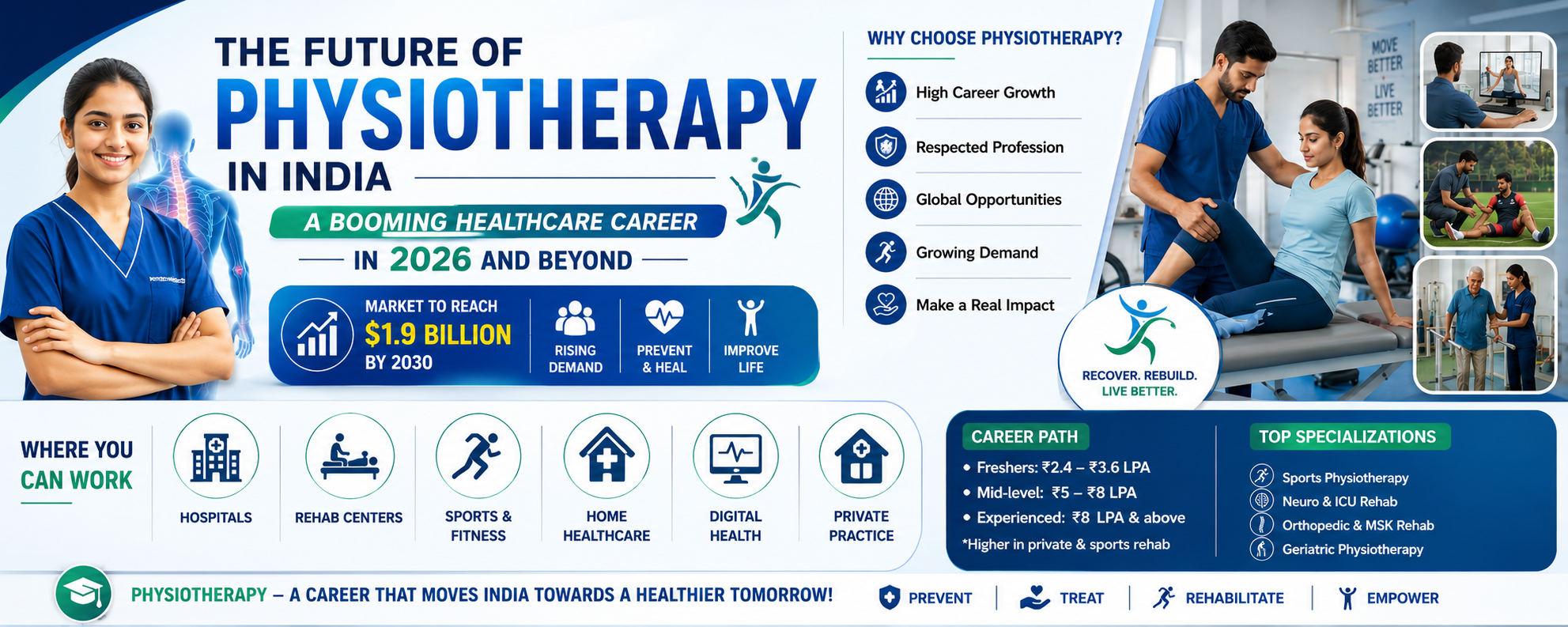
  • For admission to B.Sc. Allied Health Sciences, B.P.T. (Bachelor of Physiotherapy), and BPO (Bachelor in Prosthetics and Orthotics) courses, there is no entrance exam requirement. However, candidates must still register for CET-2025, complete the application process, and pay the required fees to be eligible for counseling.

Key Takeaways

  1. All candidates, including non-Karnataka applicants, must register for CET-2025 to qualify for B.Sc. Nursing admissions in Karnataka.
  2. Non-Karnataka candidates will not be eligible for government-quota seats.
  3. Reservation benefits are limited to Karnataka SC/ST/OBC candidates.
  4. Selection is based on both CET-2025 performance and II PUC/12th Standard marks.

Conclusion

The decision to make CET-2025 mandatory for B.Sc. Nursing admissions ensures a streamlined and merit-based selection process. Candidates are urged to carefully follow the registration guidelines and prepare for the CET to enhance their chances of securing admission to their desired course. For further details, candidates can refer to the official KEA portal.

4o

O