भारत की मेडिकल प्रवेश व्यवस्था आज एक गंभीर मोड़ पर खड़ी है। NEET परीक्षा से लेकर काउंसलिंग, सीट मैट्रिक्स, allotment, NRI दस्तावेज, पोर्टल व्यवस्था और राज्य स्तरीय प्रवेश प्रक्रिया तक, कई जगहों पर ऐसी समस्याएं बार-बार सामने आती हैं जिनसे छात्रों और अभिभावकों का भरोसा कमजोर होता है।
यह मुद्दा केवल किसी एक संस्था या किसी एक परीक्षा तक सीमित नहीं है। समस्या व्यापक है। परीक्षा कराने वाली एजेंसियों से लेकर काउंसलिंग संचालित करने वाली समितियों और मेडिकल शिक्षा से जुड़े नियामक तंत्र तक, कई स्तरों पर खाली पद, स्टाफ की कमी, अनुभव की कमी और कमजोर समन्वय जैसी चुनौतियां दिखाई देती हैं।
छात्रों का भविष्य प्रशासनिक कमजोरी पर निर्भर नहीं होना चाहिए
मेडिकल प्रवेश कोई सामान्य प्रक्रिया नहीं है। यह लाखों छात्रों के करियर, परिवारों की आर्थिक क्षमता और देश के स्वास्थ्य भविष्य से जुड़ा विषय है।
एक छात्र कई वर्षों तक तैयारी करता है। माता-पिता अपनी बचत लगाते हैं। कुछ छात्र हॉस्टल, कोचिंग, यात्रा और मानसिक दबाव का सामना करते हैं। ऐसे में अगर परीक्षा, result, seat matrix, counselling portal या allotment में बार-बार confusion आता है, तो सबसे ज्यादा नुकसान ईमानदार छात्रों को होता है।
छात्रों का भविष्य किसी विभागीय कमी, कमजोर staffing या coordination failure की वजह से प्रभावित नहीं होना चाहिए।
परीक्षा से काउंसलिंग तक मजबूत मानव संसाधन जरूरी
NTA, NBE, MCC, NMC से जुड़े तंत्र, राज्य काउंसलिंग प्राधिकरण और मेडिकल विश्वविद्यालय — सभी पर आज workload बहुत अधिक बढ़ चुका है। मेडिकल कॉलेजों की संख्या बढ़ी है, deemed universities बढ़ी हैं, private colleges बढ़े हैं, NRI/management/minority/quota rules जटिल हुए हैं और छात्रों की संख्या भी बहुत अधिक हो चुकी है।
ऐसे में पुराने ढांचे और सीमित स्टाफ के भरोसे इतनी बड़ी व्यवस्था चलाना व्यावहारिक नहीं है।
जब संस्थाओं में पर्याप्त trained staff नहीं होते, तो समस्याएं बढ़ती हैं:
सीट मैट्रिक्स में देरी
पोर्टल में तकनीकी भ्रम
NRI दस्तावेजों पर अस्पष्ट जवाब
reservation roster में confusion
allotment पर विवाद
students’ grievances का सही समाधान न होना
राज्य और केंद्र के बीच coordination gap
काउंसलिंग schedule में बार-बार बदलाव
इन समस्याओं को केवल “technical issue” कहकर नहीं टाला जा सकता। यह governance और accountability का मामला है।
दिल्ली में संस्थाएं, लेकिन समन्वय कमजोर
देश की कई केंद्रीय मेडिकल शिक्षा और परीक्षा-संबंधित संस्थाएं दिल्ली से संचालित होती हैं। फिर भी कई बार ऐसा लगता है कि परीक्षा एजेंसी, काउंसलिंग समिति, नियामक निकाय और मंत्रालयों के बीच real-time coordination मजबूत नहीं है।
कभी new college approval देर से आता है।
कभी seat matrix late update होती है।
कभी counselling dates और court matters overlap करते हैं।
कभी states और MCC schedules में practical conflict दिखाई देता है।
कभी students को clear जवाब नहीं मिलता।
जब संस्थाएं एक ही राष्ट्रीय उद्देश्य के लिए काम कर रही हैं, तो उन्हें अलग-अलग island की तरह नहीं चलना चाहिए। एक integrated command system, clear responsibility chart और public communication mechanism जरूरी है।
नियुक्तियां योग्यता और अनुभव के आधार पर होनी चाहिए
भारत में योग्य लोगों की कमी नहीं है। हमारे देश में अनुभवी doctors, administrators, IT experts, legal experts, medical education consultants, policy professionals और sincere officers मौजूद हैं।
फिर सवाल उठता है: महत्वपूर्ण पद लंबे समय तक खाली क्यों रहते हैं?
क्यों कई जगह temporary या outsourced arrangements पर निर्भरता बनी रहती है?
क्यों experienced professionals को structured तरीके से शामिल नहीं किया जाता?
सरकार को यह सुनिश्चित करना चाहिए कि सभी महत्वपूर्ण पद पारदर्शी, merit-based और time-bound process के माध्यम से भरे जाएं।
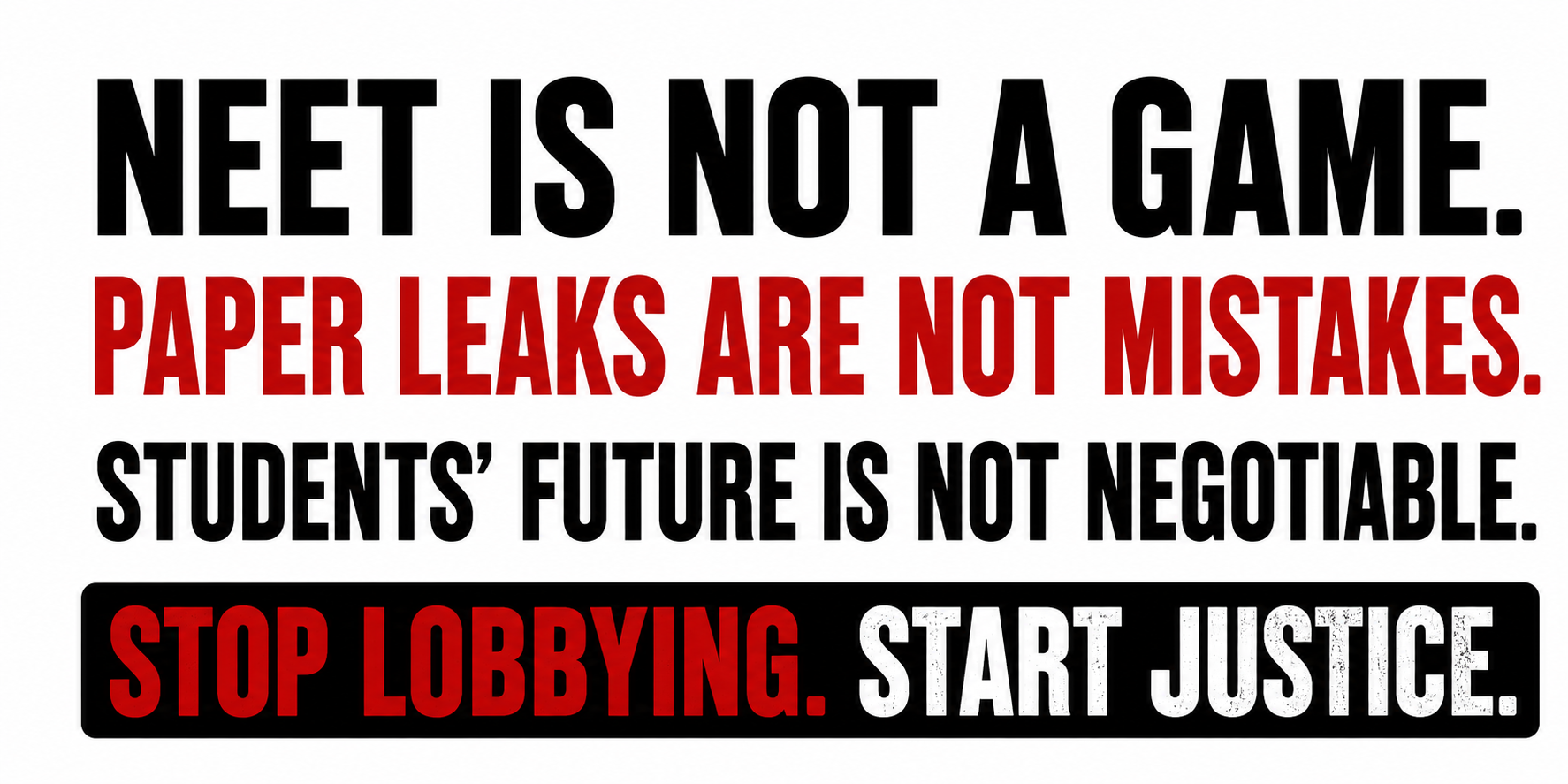
यह धारणा नहीं बननी चाहिए कि नियुक्तियां केवल lobbying, personal approach या internal convenience के आधार पर होती हैं। ऐसी धारणा भी संस्थाओं की विश्वसनीयता को नुकसान पहुंचाती है।
ईमानदार और अनुभवी लोगों को सिस्टम में जगह मिलनी चाहिए
कई बार सक्षम लोग इसलिए सिस्टम में नहीं आते क्योंकि उन्हें लगता है कि merit से ज्यादा networking काम करती है। कुछ लोग इसलिए दूर रहते हैं क्योंकि वे किसी lobby या pressure system का हिस्सा नहीं बनना चाहते।
अगर देश को सच में शिक्षा और परीक्षा व्यवस्था सुधारनी है, तो ऐसे professionals को सम्मानपूर्वक invite करना होगा, उनकी expertise का उपयोग करना होगा और उन्हें decision-making में वास्तविक भूमिका देनी होगी।
ईमानदार अधिकारियों और knowledgeable professionals को केवल सलाहकार बनाकर नहीं, बल्कि जिम्मेदार भूमिका देकर system strengthen करना होगा।
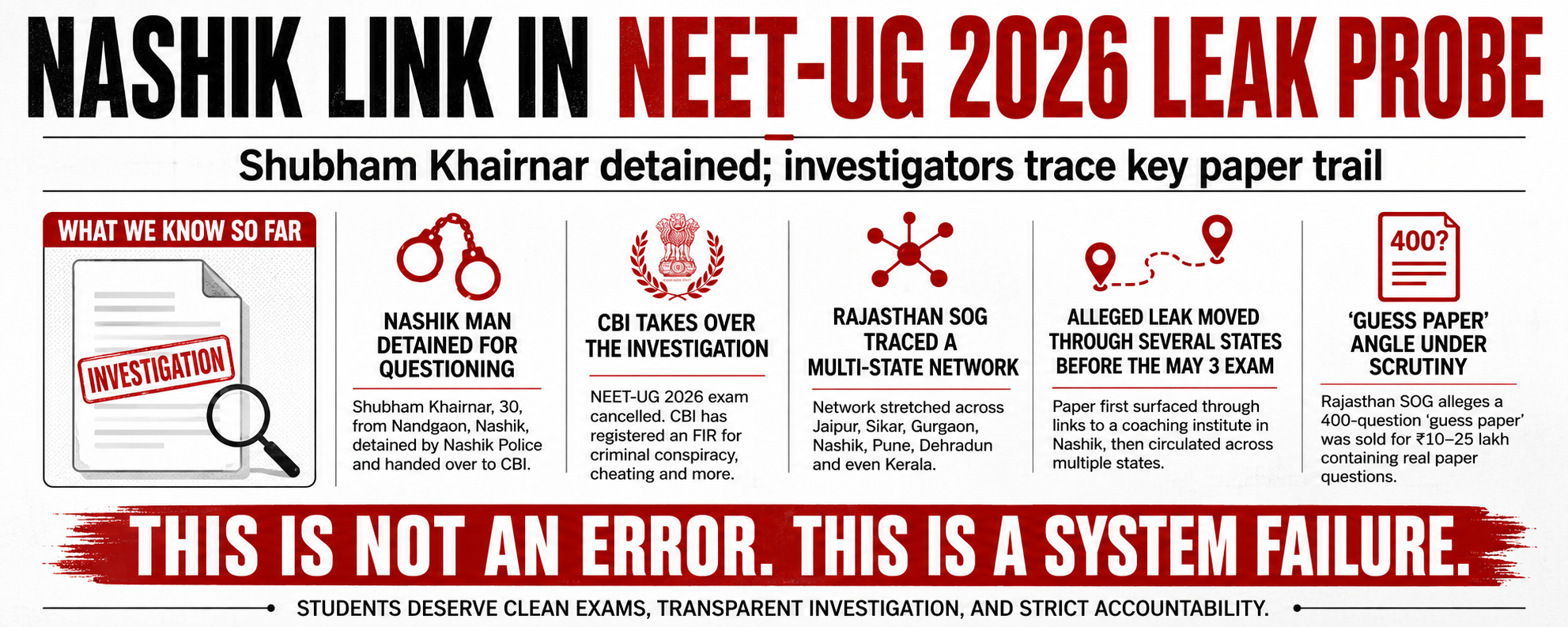
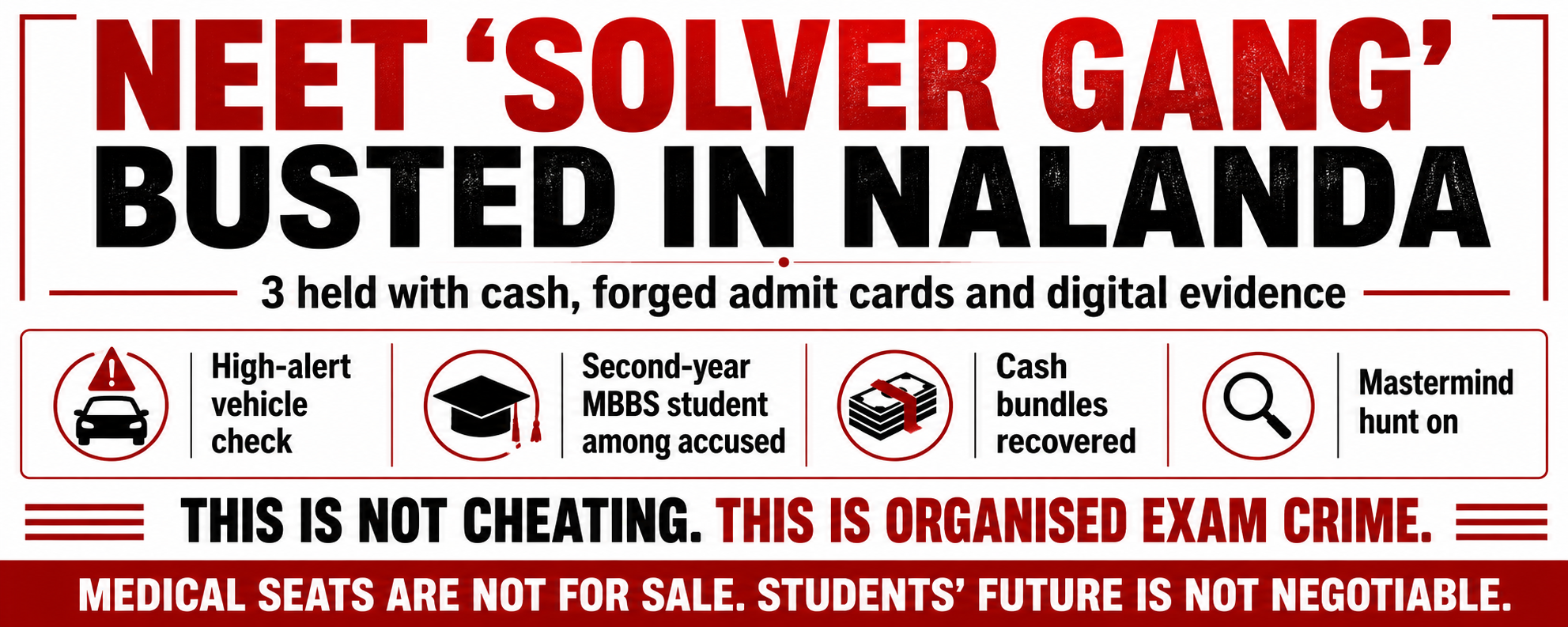
पेपर लीक केवल एक लक्षण है, बीमारी गहरी है
पेपर लीक या परीक्षा विवाद केवल सतह पर दिखने वाली समस्या है। असली बीमारी गहरी है:
कमजोर protocol
मानव संसाधन की कमी
technology पर अधूरा control
outsourcing पर अत्यधिक निर्भरता
जवाबदेही की कमी
slow grievance redressal
institutions के बीच poor coordination
policy और ground implementation में gap
अगर इन मूल कारणों पर काम नहीं किया गया, तो केवल एक परीक्षा सुधारने से समस्या खत्म नहीं होगी।
राज्य काउंसलिंग में भी सुधार जरूरी
कई state counselling authorities हर साल विवादों में रहती हैं। कहीं seat matrix issue आता है, कहीं category eligibility clarity नहीं होती, कहीं NRI documents को लेकर confusion होता है, कहीं minority quota या roster point पर सवाल उठते हैं।
राज्य काउंसलिंग committees को भी trained manpower, legal cell, IT support, admission experts और grievance desk की जरूरत है।
एक state counselling authority को केवल notice upload करने वाली agency की तरह नहीं, बल्कि student-support system की तरह काम करना चाहिए।
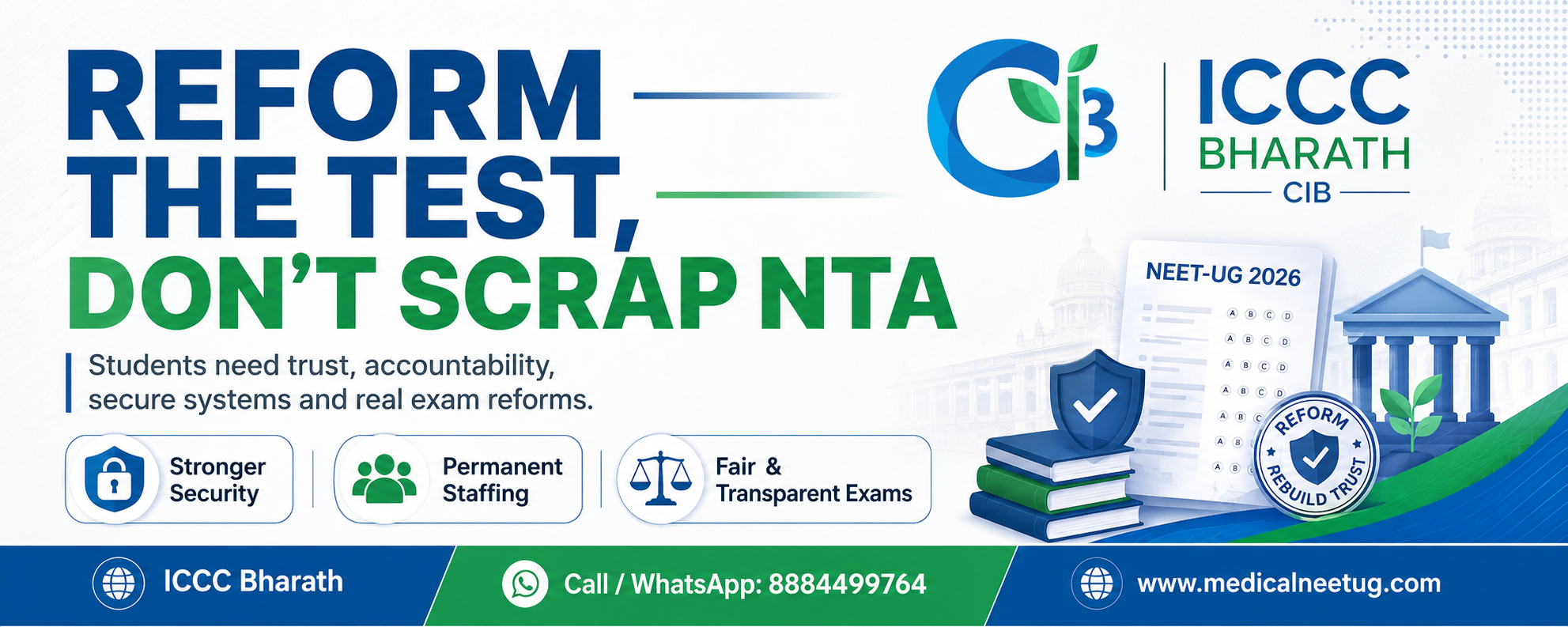
केंद्र सरकार को गंभीरता से सुधार करना होगा
यह विषय केवल किसी agency की आलोचना का नहीं है। यह national interest का मुद्दा है।
भारत विकसित देश बनने की दिशा में आगे बढ़ना चाहता है। लेकिन अगर देश के सबसे मेहनती students — doctors, engineers, researchers और healthcare professionals बनने वाले युवा — कमजोर administrative systems के बीच संघर्ष करेंगे, तो भविष्य की गुणवत्ता प्रभावित होगी।
केंद्र सरकार को चाहिए कि वह medical admission ecosystem का complete administrative audit करे।
इसमें शामिल होना चाहिए:
NTA, NBE, MCC, NMC और state counselling bodies का manpower audit
खाली पदों की सूची और समयबद्ध भर्ती
exam और counselling protocols का review
seat matrix publication की fixed timeline
allotment process की independent audit
NRI/minority/category rules पर uniform clarity
state और central agencies के बीच coordination cell
student grievance redressal portal with tracking number
official reply की accountability
technical failure पर responsibility fixing
कानूनी और संवैधानिक दृष्टि से भी जरूरी
मेडिकल admission system Article 14 और Article 21 से जुड़े fairness, equality और career opportunity के सवालों को प्रभावित करता है। जब छात्र समान परीक्षा और समान काउंसलिंग प्रक्रिया में भाग लेते हैं, तो व्यवस्था पारदर्शी, गैर-भेदभावपूर्ण और जवाबदेह होनी चाहिए।
अगर सीटें खाली रह जाती हैं, seat matrix देर से आती है, rules अस्पष्ट रहते हैं या students को सही समय पर सही information नहीं मिलती, तो यह केवल administrative lapse नहीं बल्कि students’ legitimate expectation का भी सवाल बन जाता है।
इसलिए सुधार केवल policy choice नहीं, बल्कि public duty है।
निष्कर्ष
भारत की मेडिकल प्रवेश व्यवस्था को अब cosmetic सुधार नहीं, बल्कि गहरे structural reform की जरूरत है।
पेपर लीक, सीट मैट्रिक्स विवाद, NRI document confusion, portal issues, counselling delays और allotment controversies — ये सभी संकेत हैं कि सिस्टम पर workload बढ़ चुका है और पुराना ढांचा पर्याप्त नहीं है।
सरकार को तुरंत योग्य लोगों की नियुक्ति, मजबूत staffing, बेहतर technology, legal clarity और institutional coordination पर काम करना चाहिए।
भारत में प्रतिभा की कमी नहीं है। कमी है सही लोगों को सही जिम्मेदारी देने की।
छात्रों ने मेहनत में कमी नहीं की है। अब सिस्टम को ईमानदारी, दक्षता और जवाबदेही दिखानी होगी। देश का भविष्य कमजोर प्रशासनिक ढांचे के भरोसे नहीं छोड़ा जा सकता