NEET-UG Paper Leak: Parliamentary Panel Summons NTA Chief, Review of Reforms and Accountability Begins

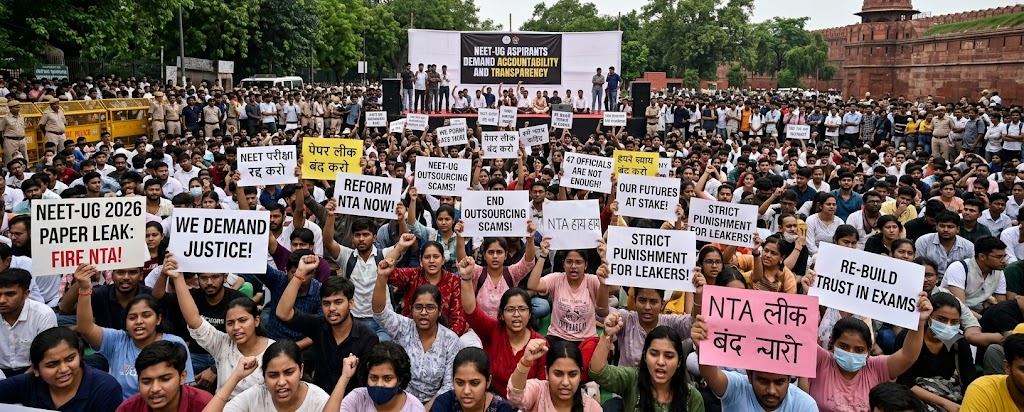
The NEET-UG 2026 paper leak controversy has now reached a serious parliamentary review stage. The Parliamentary Standing Committee on Education, Women, Children, Youth and Sports has summoned National Testing Agency Chairperson Pradeep Kumar Joshi and senior officials from the Education Ministry for deliberations on the alleged paper leak and the implementation of reforms in NTA.

The committee, headed by Congress leader Digvijaya Singh, is expected to seek the views of top officials on May 21. The officials summoned include Secretary, Department of Higher Education, Ministry of Education, Vineet Joshi, and NTA Chairperson Pradeep Kumar Joshi.

Why the Parliamentary Panel Has Stepped In

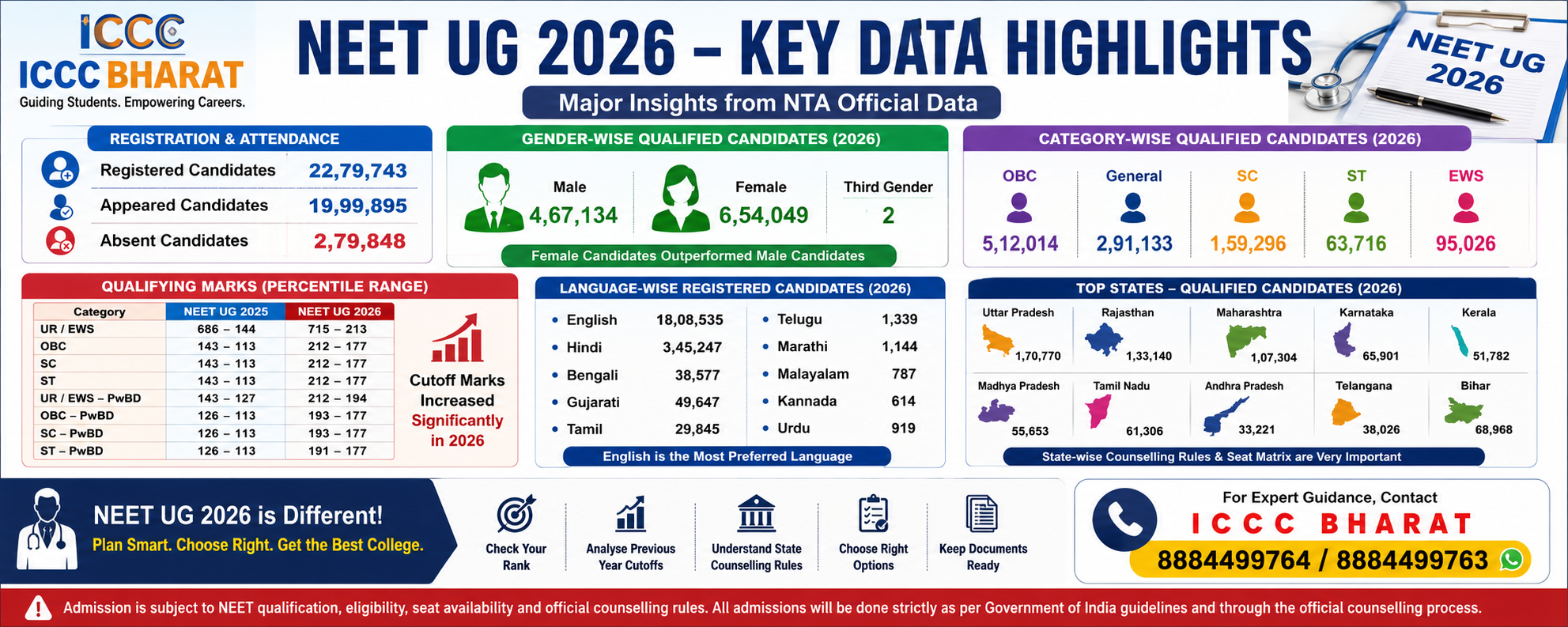
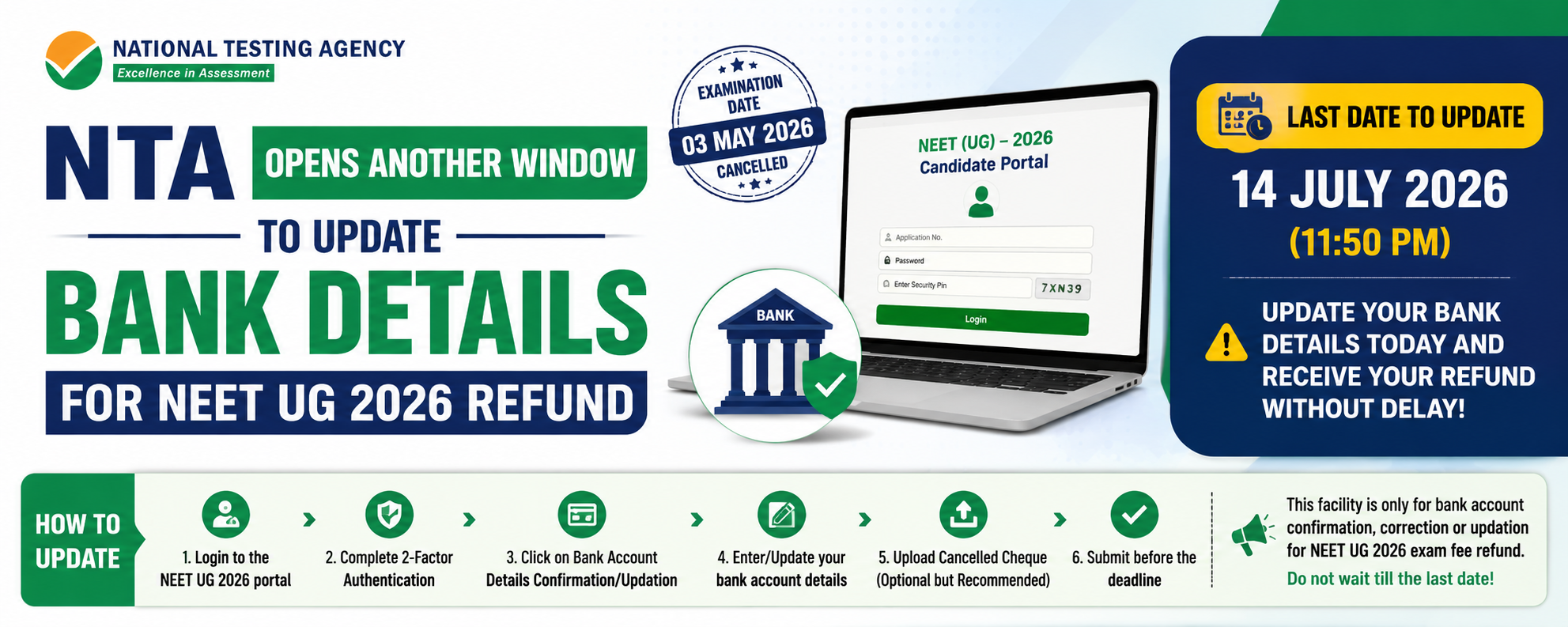
The NEET-UG 2026 examination held on May 3 was cancelled after allegations of paper leak and examination irregularities. According to reports, nearly 23 lakh candidates had registered for the test, making it one of India’s largest entrance examinations.

The NTA reportedly received information about alleged malpractice on the evening of May 7, four days after the exam. The examination was later cancelled, and the re-exam has been scheduled for June 21.

Now, the parliamentary panel will examine whether reforms recommended earlier were properly implemented and whether NTA had enough safeguards to prevent such a breach.

Review of K. Radhakrishnan Committee Recommendations

One of the key agenda points is the implementation of the K. Radhakrishnan Committee report on NTA reforms. The committee was formed after earlier examination controversies and had recommended stronger systems to improve the credibility, security and accountability of national-level testing.

Reports have raised concerns that many recommended reforms were still not fully implemented when the NEET-UG 2026 controversy occurred. This makes the parliamentary review important not only for fixing responsibility but also for preventing future examination failures.

Legal and Administrative Importance

This summons is not merely a routine meeting. It carries legal and administrative significance because the committee may seek explanations on:

  • why the leak was not prevented,
  • whether internal controls were adequate,
  • whether NTA followed recommended reforms,
  • whether there were lapses in paper security,
  • whether senior officials acted promptly after receiving alerts,
  • and what structural reforms are needed before future examinations.

The parliamentary panel can also record observations that may influence future policy, administrative accountability and examination reform.

Future Implications for NEET and NTA

The outcome of this review may have long-term implications for NEET and other national entrance examinations.

First, NTA may face stronger scrutiny over its internal structure, staffing pattern, outsourcing model and security mechanisms. If weaknesses are found, the agency may be pushed toward major restructuring.

Second, paper-setting, moderation, printing, digital storage, transport and exam centre protocols may be reviewed in detail. Every stage of the examination chain could come under stricter monitoring.

Third, the proposed shift of NEET-UG to computer-based mode from 2027 may receive greater urgency. Education Minister Dharmendra Pradhan has announced that NEET-UG will move to CBT mode from next year, but such a transition will require strong infrastructure, cybersecurity and fairness safeguards.

Fourth, students may see more transparency in exam-city allotment, admit card systems, question paper security and grievance redressal.

Why This Matters for Students

For students, this issue is not political. It is personal.

NEET is connected to years of preparation, family sacrifice and the dream of becoming a doctor. When a paper leak happens, it does not only cancel an exam. It breaks the confidence of honest students.

The parliamentary panel’s review should therefore focus on student protection, not only administrative explanation.

Students need:

  • a fair re-exam,
  • clear official communication,
  • timely admit cards,
  • safe exam centres,
  • strict action against guilty persons,
  • and a stronger system for future batches.

Larger Reform Question

The NEET-UG 2026 controversy has exposed a deeper question: Can India continue to conduct exams involving more than 20 lakh candidates without a fully secure, transparent and accountable institutional structure?

If the answer is no, then reforms must go beyond temporary damage control.

India needs a modern examination system with permanent expert staff, strong technology, independent audits, secure paper-setting mechanisms, cybersecurity protocols, transparent accountability and fast legal action against malpractice networks.

Conclusion

The parliamentary panel’s decision to summon the NTA chief and senior Education Ministry officials is a major development in the NEET-UG 2026 paper leak case.

This review must not become only a formal discussion. It should lead to real reform, clear accountability and stronger protection for students.

The future implication is clear: India’s examination system must move from reaction after failure to prevention before failure.

For lakhs of NEET aspirants, the message should be simple — their hard work must be protected by a system that is fair, secure and accountable.

How One Teacher Helped Expose the NEET-UG 2026 Paper Leak

The NEET-UG 2026 paper leak case has hurt lakhs of students and parents across India. Students who studied day and night, stayed away from home, spent years in coaching, and gave the exam with hope suddenly had to face uncertainty again.

But in the middle of this controversy, one teacher from Sikar, Rajasthan, showed courage and responsibility.

After the NEET-UG exam was held on May 3, a PDF started circulating among some students and coaching circles. At first, it looked like a normal “guess paper.” But when a chemistry teacher saw it, he felt something was wrong.

He started comparing the PDF with the actual NEET question paper. Slowly, he found that many questions were matching. He checked again and again. Then he called a biology teacher and both of them compared the questions through the night.

By midnight, they felt that this was not just a guess paper. It looked like the paper had been leaked.

The teacher did not ignore it. Around 12:30 AM on May 4, he went to the police station to file a complaint. He was told to come back with proper evidence. So he continued working. He collected screenshots, matched questions, prepared proof, and later informed NTA and investigating agencies.

This was not an easy step. Speaking against a possible paper leak means pressure, fear and responsibility. But the teacher said he could not stay silent because lakhs of hardworking students were involved.

For students, NEET is not just an exam. It is years of sacrifice. Parents spend their savings. Students leave their homes. Many give two or three years only for this one dream. When a paper leak happens, it breaks their confidence and faith in the system.

That is why this teacher’s step matters.

This case also reminds us that every coaching city or every student should not be blamed. Sikar has many hardworking students and sincere teachers. If some people did wrong, the investigation should identify them and punish them. But honest students and teachers should not be treated with suspicion.

The real issue is exam security. How did the paper reach outside? Who shared it? Who benefited? Who failed to protect the exam? These questions need honest answers.

The NEET-UG 2026 paper leak case is painful for students, but it also shows that one honest person can make a big difference. A teacher saw something wrong, checked the facts, collected proof and spoke up.

Now the system must do its duty.

The guilty should be punished. The exam process should be made stronger. Students should get justice. And most importantly, honest students should never feel that their hard work has less value than money or cheating.

NEET should test knowledge, not connections. It should reward hard work, not shortcuts.

NEET-UG 2026 प्रश्नपत्र लिक विवादपछि NTA मा नेतृत्व सुदृढीकरण

दिल्ली, मे १७, २०२६ — NEET-UG 2026 प्रश्नपत्र लिक विवाद र मे ३ मा भएको परीक्षा रद्द भएपछि सरकारले राष्ट्रिय परीक्षा एजेन्सी (NTA) लाई थप सुदृढ बनाउन तीव्र कदम चालेको छ। शनिबार NTA मा दुई संयुक्त निर्देशक (Joint Directors)दुई संयुक्त सचिव (Joint Secretaries) नियुक्त गरिएका छन्। यस कदमलाई जुन २१, २०२६ मा हुने पुनः परीक्षालाई व्यवस्थित र पारदर्शी बनाउन गरिएको प्रयासका रूपमा हेरिएको छ।

मुख्य नियुक्तिहरू

संयुक्त सचिवहरू (Joint Secretaries):

  • अनुजा बापट — भारतीय सांख्यिकीय सेवा (ISS), १९९८ ब्याच
  • रुचिता विज — भारतीय राजस्व सेवा (IRS), २००४ ब्याच

यी दुवै अधिकारीहरू पाँच वर्ष वा अर्को आदेश नआएसम्म कार्यरत रहनेछन्।

संयुक्त निर्देशकहरू (Joint Directors):

  • आकाश जैन — IRS (२०१३ ब्याच), डिसेम्बर ४, २०२९ सम्म नियुक्त
  • आदित्य राजेन्द्र भोजगढिया — भारतीय लेखा तथा लेखापरीक्षण सेवा (IAAS), २०१३ ब्याच, मे १६, २०२८ सम्म नियुक्त

कार्मिक तथा प्रशिक्षण विभाग (DoPT) ले जानकारी दिए अनुसार, उपसचिव/निर्देशक स्तरका दुई रिक्त पदहरू प्रारम्भिक दुई वर्षका लागि स्तरोन्नति गरेर यी नियुक्तिहरू गरिएको हो।

पृष्ठभूमि

यी नियुक्तिहरू विभिन्न निगरानी निकायहरूको सिफारिसपछि गरिएको हो।

  • के. राधाकृष्णन को नेतृत्वमा रहेको सात सदस्यीय समितिले NEET-UG 2024 प्रश्नपत्र लिकको अनुसन्धानपछि स्थायी कर्मचारी भर्ना गर्न सुझाव दिएको थियो।
  • डिसेम्बर २०२५ मा संसदीय समितिले पनि NTA को आन्तरिक संरचना बलियो बनाउन आग्रह गरेको थियो।

यी सुझावपछि सरकारले NTA भित्र १६ नयाँ पदहरू सिर्जना गरेको थियो। तर हालसम्म केवल तीन संयुक्त निर्देशकहरू मात्र नियुक्त भएका थिए, जसले नयाँ नियुक्तिको आवश्यकता झन स्पष्ट बनाएको थियो।

प्रभाव

NTA माथि लामो समयदेखि बाह्य कर्मचारीहरूमा अत्यधिक निर्भर रहेको आरोप लाग्दै आएको छ, जसले परीक्षा सञ्चालनमा पारदर्शिताजवाफदेहिता सम्बन्धी प्रश्न उठाएको थियो।

NEET-UG 2026 को पुनः परीक्षा नजिकिँदै गर्दा यी नियुक्तिहरूले विद्यार्थी, अभिभावक र सम्बन्धित पक्षहरूमा विश्वास बढाउने अपेक्षा गरिएको छ।

निष्कर्ष

यी नयाँ नियुक्तिहरूले परीक्षा प्रणालीको विश्वसनीयता पुनःस्थापित गर्न तथा भविष्यमा यस्ता समस्या दोहोरिन नदिन सरकार गम्भीर रहेको संकेत दिएको छ। साथै, मेडिकल भर्ना प्रक्रियालाई प्रभावकारी र सुरक्षित बनाउने दिशामा यो महत्त्वपूर्ण कदम मानिएको छ।

NEET UG 2026 जीवविज्ञान प्रश्नपत्र लिक प्रकरणमा पुणेका वनस्पति विज्ञान शिक्षक पक्राउ

NEET UG 2026 प्रश्नपत्र लिक प्रकरणको अनुसन्धानले अर्को गम्भीर मोड लिएको छ। यस सम्बन्धमा भारतको केन्द्रीय अनुसन्धान ब्युरो (CBI) ले पुणेस्थित शिक्षिका मनीषा गुरुनाथ मंधारे लाई कथित जीवविज्ञान प्रश्नपत्र लिक प्रकरणमा पक्राउ गरेको छ।

रिपोर्टअनुसार मंधारे महाराष्ट्रकी वरिष्ठ वनस्पति विज्ञान (Botany) शिक्षिका हुन् र उनी राष्ट्रिय परीक्षा एजेन्सी (NTA) सँग विज्ञको रूपमा परीक्षा प्रणालीसँग जोडिएकी थिइन्। उनी पुणेको शिवाजीनगरस्थित मोडर्न कलेज अफ आर्ट्स, साइन्स एन्ड कमर्स मा कार्यरत रहेको बताइएको छ।

जीवविज्ञानका प्रश्नहरूमा पहुँच भएको आरोप

अनुसन्धानकर्ताहरूका अनुसार मंधारे NEET UG 2026 का BotanyZoology सम्बन्धी प्रश्न तयार गर्ने प्रक्रियामा संलग्न थिइन्। यस भूमिकाका कारण मे ३, २०२६ मा भएको परीक्षाभन्दा अघि नै उनले गोप्य जीवविज्ञान प्रश्नहरूमा पहुँच पाएको बताइएको छ।

CBI ले उक्त पहुँचको दुरुपयोग गरी चयनित विद्यार्थीहरूलाई सम्भावित वा गोप्य प्रश्नहरू उपलब्ध गराइएको थियो वा थिएन भन्ने विषयमा अनुसन्धान गरिरहेको छ।

विशेष कोचिङ सत्र पनि अनुसन्धानको दायरामा

अनुसन्धान अनुसार मंधारेले यसअघि पक्राउ परेकी अर्की अभियुक्त मनीषा वाघमारे मार्फत केही NEET परीक्षार्थीहरूलाई छनोट गरेको आरोप छ।

CBI अधिकारीहरूका अनुसार अप्रिल २०२६ मा पुणेस्थित मंधारेको निवासमा विशेष कोचिङ सत्र सञ्चालन गरिएको थियो। ती सत्रहरूमा विद्यार्थीहरूलाई महत्वपूर्ण Botany तथा Zoology प्रश्नहरू नोटबुकमा लेख्न र पाठ्यपुस्तकमा चिन्ह लगाउन भनिएको थियो।

अनुसन्धानकर्ताहरूले दाबी गरेका छन् कि तीमध्ये धेरै प्रश्नहरू पछि वास्तविक NEET UG 2026 को जीवविज्ञान प्रश्नपत्रसँग मिलेको पाइएको छ।

आन्तरिक नेटवर्कको सम्भावित संलग्नता

अब अनुसन्धान निम्न पक्षहरूमा केन्द्रित भएको छ:

  • परीक्षा प्रक्रियासँग जोडिएका आन्तरिक व्यक्तिहरू
  • बिचौलियाहरू
  • चयनित उम्मेदवारहरू
  • आर्थिक कारोबार
  • कोचिङसँग सम्बन्धित नेटवर्कहरू

CBI लाई केही उम्मेदवारहरूले परीक्षा अगाडि सम्भावित वा लिक भएका प्रश्नहरू प्राप्त गर्न ठूलो रकम तिरेको हुनसक्ने आशंका छ।

हालसम्म ९ जना पक्राउ

मंधारे पक्राउ परेसँगै NEET UG 2026 प्रश्नपत्र लिक प्रकरणमा पक्राउ पर्नेहरूको संख्या ९ पुगेको बताइएको छ। शिक्षा मन्त्रालय अन्तर्गतको उच्च शिक्षा विभाग को उजुरीपछि CBI ले मे १२, २०२६ मा यो मुद्दा औपचारिक रूपमा दर्ता गरेको थियो।

पुनः परीक्षा जुन २१ मा

प्रश्नपत्र लिक विवादपछि NEET UG 2026 परीक्षा रद्द गरिएको थियो र पुनः परीक्षा जुन २१, २०२६ मा सञ्चालन हुने तय गरिएको छ।

विद्यार्थीहरूलाई NTA का आधिकारिक सूचनाहरू मात्र पछ्याउन तथा सामाजिक सञ्जालमा फैलिने अफवाहहरूबाट सावधान रहन सुझाव दिइएको छ।

निष्कर्ष

मनीषा गुरुनाथ मंधारेको गिरफ्तारीले NEET UG 2026 प्रश्नपत्र लिक अनुसन्धानमा जीवविज्ञानसँग सम्बन्धित ठूलो पक्ष उजागर गरेको छ। यस घटनाले परीक्षा गोपनीयता, आन्तरिक पहुँचको दुरुपयोग र भारतको सबैभन्दा ठूलो मेडिकल प्रवेश परीक्षा प्रणालीको सुरक्षामाथि गम्भीर प्रश्न उठाएको छ।

विद्यार्थीहरूका लागि अहिले सबैभन्दा महत्वपूर्ण कुरा भनेको शान्त रहँदै पुनः परीक्षाको तयारी गर्नु र आधिकारिक सूचनामात्र विश्वास गर्नु हो।

NEET UG 2026 Re-Exam: Avoid These Mistakes Before the May 21 Centre Change Deadline

The National Testing Agency has opened a limited correction window for NEET UG 2026 re-exam candidates. Students can update their present address and choice of examination cities before the re-examination scheduled on June 21, 2026.

As per the NTA notice, the correction window is available from May 15 to May 21, 2026, up to 11:50 PM. The re-exam will be conducted in pen-and-paper mode from 2:00 PM to 5:15 PM IST.

This facility is important for students who have shifted location, returned to their hometown, or want a more convenient exam city for the re-test.

What Can Be Changed?

NTA has clearly stated that candidates can update only limited details:

Allowed ChangesNot Allowed
Present addressName
First preferred exam cityCategory
Second preferred exam cityDate of birth
City preference based on current locationMobile number / email
Address-related city updateOther application details

This is not a full correction window. Students should not expect to change all application details.

Important Schedule

ActivityDetails
Correction Window OpensMay 15, 2026
Last Date to UpdateMay 21, 2026
Last Time11:50 PM
Re-Exam DateJune 21, 2026
Exam Time2:00 PM to 5:15 PM
ModePen and Paper
Correction FeeNo fee

Mistakes Students Must Avoid

1. Waiting Until the Last Day

Do not wait until May 21 night. Server issues, login problems, internet failure, or OTP delays may create unnecessary panic.

2. Selecting a City Without Travel Planning

Choose a city where you can realistically reach before exam day. Check travel distance, accommodation, transport, and reporting time.

3. Updating Address Incorrectly

Your present address should be accurate and match your current stay location. Avoid spelling mistakes, wrong pin code, or incomplete address.

4. Assuming All Details Can Be Edited

NTA is allowing only present address and exam city preference changes. Other details will remain unchanged.

5. Not Saving Proof After Submission

After updating details, take a screenshot or printout of the confirmation page for future reference.

6. Ignoring Official Website Updates

City intimation slip and admit card details will be announced later on the official website. Students should check only NTA/NEET official updates.

Who Should Use This Facility?

Students should update their city preference if:

  • They have moved to another city after the first exam.
  • They are staying away from their original exam city.
  • Their travel to the old centre is difficult.
  • They want to select a centre closer to their current address.
  • Their present address has changed after registration.

If the existing city preference is suitable, no action is required. NTA will retain the earlier city choice.

Final Advice for Students

The NEET UG 2026 re-exam is an important second opportunity. Students should complete city correction calmly, avoid mistakes, and focus on revision.

Use this window only if needed, but complete it before the deadline.

Deadline: May 21, 2026, up to 11:50 PM
Re-Exam Date: June 21, 2026

Students should avoid rumours, follow official updates, and prepare with confidence.

NEET UG 2026: Reserved Paper Set भी लीक? परीक्षा सुरक्षा पर गंभीर सवाल

NEET UG 2026 पेपर लीक मामले में एक और बड़ा खुलासा सामने आया है। जांच में यह बात सामने आ रही है कि केवल मुख्य प्रश्नपत्र ही नहीं, बल्कि NTA का reserved paper set भी कथित रूप से लीक हुआ था।

यह खुलासा बेहद गंभीर है, क्योंकि reserved paper set किसी भी राष्ट्रीय परीक्षा की अंतिम सुरक्षा व्यवस्था माना जाता है।

Reserved Paper Set क्या होता है?

Reserved paper set एक अलग और स्वतंत्र प्रश्नपत्र होता है, जिसे मुख्य प्रश्नपत्र के साथ ही तैयार किया जाता है।

इसका उपयोग केवल आपात स्थिति में किया जाता है, जैसे:

  • मुख्य प्रश्नपत्र लीक हो जाए
  • पेपर वितरण में गड़बड़ी हो
  • लॉजिस्टिक समस्या आ जाए
  • किसी केंद्र पर पेपर खराब या गलत पहुंच जाए

यानी reserved set परीक्षा व्यवस्था का backup security shield होता है।

फिर यह कैसे लीक हुआ?

CBI जांच के अनुसार, लीक परीक्षा केंद्र या वितरण स्तर पर नहीं, बल्कि कथित रूप से पेपर सेटिंग समिति के अंदर से हुआ।

अगर पेपर तैयार करने वाले स्तर से ही प्रश्न बाहर चले गए, तो इसका मतलब है कि मुख्य पेपर और backup paper दोनों की गोपनीयता टूट गई।

रिपोर्टों के अनुसार, दो तरह की सामग्री बाहर आई:

  • एक handwritten set
  • एक typed question set

इन्हीं के माध्यम से प्रश्न आगे छात्रों और बिचौलियों तक पहुंचे होने का आरोप है।

किन लोगों पर आरोप?

CBI ने इस मामले में NTA पैनल से जुड़े दो विशेषज्ञों को गिरफ्तार किया है:

  • पी.वी. कुलकर्णी — सेवानिवृत्त रसायन विज्ञान प्राध्यापक
  • मनीषा गुरुनाथ मंधारे — वरिष्ठ वनस्पति विज्ञान शिक्षिका

आरोप है कि इन्हें प्रश्न तैयार करने की प्रक्रिया से जुड़ी पहुंच थी और इसी access का दुरुपयोग किया गया।

मामला इतना गंभीर क्यों है?

यह कोई सामान्य पेपर लीक नहीं है।

अगर reserved paper set भी लीक हुआ है, तो यह परीक्षा सुरक्षा प्रणाली की सबसे बड़ी विफलता मानी जाएगी।

क्योंकि:

  • मुख्य पेपर सुरक्षित नहीं रहा
  • backup paper भी सुरक्षित नहीं रहा
  • पेपर सेटिंग प्रक्रिया पर सवाल उठा
  • अंदरूनी लोगों की भूमिका संदिग्ध हुई
  • 22 लाख से अधिक छात्रों का भरोसा टूट गया

ऐसी स्थिति में क्या होता है?

जब मुख्य और reserved दोनों question sets पर संदेह हो जाए, तो परीक्षा को वैध बनाए रखना मुश्किल हो जाता है।

ऐसी स्थिति में आमतौर पर:

  • परीक्षा रद्द की जाती है
  • fresh question paper तैयार किया जाता है
  • नई सुरक्षा प्रणाली लागू की जाती है
  • जांच एजेंसी source leak तक पहुंचती है
  • दोषियों पर आपराधिक कार्रवाई होती है

निष्कर्ष

NEET UG 2026 मामला अब केवल पेपर लीक नहीं, बल्कि परीक्षा प्रणाली की जड़ तक पहुंची हुई सुरक्षा चूक का मामला बन चुका है।

अगर पेपर सेटिंग समिति के अंदर से leak साबित होता है, तो यह केवल NTA के लिए नहीं, बल्कि पूरे राष्ट्रीय परीक्षा ढांचे के लिए चेतावनी है।

छात्रों के लिए सबसे जरूरी बात यही है:

अफवाहों से दूर रहें, आधिकारिक अपडेट देखें और 21 जून की री-एग्जाम तैयारी पर पूरा ध्यान दें।

NTA Gets New Senior Officers Amid NEET-UG 2026 Paper Leak Row

In the aftermath of the NEET-UG 2026 paper leak controversy and the cancellation of the May 3 examination, the government has appointed new senior officers to the National Testing Agency with immediate effect.

The move comes at a crucial time, as the NEET-UG 2026 re-examination is scheduled to be held on June 21. The appointments are expected to strengthen the internal functioning of NTA and support the smooth conduct of the upcoming re-exam.

Two Joint Secretaries Appointed

As per the orders issued by the Department of Personnel and Training, the Appointments Committee of the Cabinet has approved the appointment of two Joint Secretaries in NTA.

The newly appointed Joint Secretaries are:

  • Anuja Bapat, Indian Statistical Service officer of the 1998 batch
  • Ruchita Vij, Indian Revenue Service officer of the 2004 batch

Their appointments will be for a tenure of five years or until further orders, whichever is earlier.

Two Joint Directors Also Appointed

The government has also appointed two Joint Directors to NTA.

The newly appointed Joint Directors are:

  • Akash Jain, 2013-batch IRS officer
  • Aditya Rajendra Bhojgadhiya, 2013-batch Indian Audit and Accounts Service officer

Akash Jain has been appointed on a lateral shift basis until December 4, 2029, or until further orders. Aditya Rajendra Bhojgadhiya has been appointed until May 16, 2028.

Why These Appointments Matter

The timing of these appointments is important because NTA is currently under heavy scrutiny after the NEET-UG 2026 paper leak allegations. The May 3 exam was cancelled, and more than 22 lakh students are now preparing for the re-examination.

The addition of senior officers is expected to help in:

  • Better internal monitoring
  • Stronger administrative control
  • Improved coordination for the re-exam
  • Greater accountability within NTA
  • Better management of exam security and logistics

Background: Recommendations to Strengthen NTA

The seven-member committee headed by K. Radhakrishnan, which examined issues related to earlier NEET paper leak concerns, had recommended that NTA should have more permanent staff to improve accountability.

A parliamentary panel had also suggested strengthening the organisation internally. Following these recommendations, the government created 16 new posts in NTA. However, so far, only a few senior posts have been filled.

Re-Exam on June 21

The NEET-UG 2026 re-examination will be conducted on June 21, 2026. The new appointments appear to be part of the government’s efforts to ensure that the re-exam is conducted in a more secure and organised manner.

Students are advised to follow only official NTA updates regarding admit cards, exam city details, and exam instructions.

Conclusion

The appointment of two Joint Directors and two Joint Secretaries to NTA is a significant administrative step amid the NEET-UG 2026 controversy. With the re-exam scheduled for June 21, strengthening the agency’s internal structure has become extremely important.

For students and parents, the priority now should be to stay calm, avoid rumours, and focus on preparation while waiting for official updates from NTA.

How NEET UG 2026 Paper Was Allegedly Leaked: Two Question Sets, Three Layers and a Five-State Network

The NEET UG 2026 paper leak investigation has taken a wider and more serious turn. The Central Bureau of Investigation is now probing not only middlemen and coaching links but also alleged insiders connected with the National Testing Agency’s paper-setting process.

The case has already led to multiple arrests across different states and has forced more than 22 lakh medical aspirants to prepare again for the re-examination scheduled on 21 June 2026.

According to the investigation details emerging so far, the alleged leak operation may have worked through a structured network involving insiders, recruiters and middlemen.


Two Sets of Questions Allegedly Leaked

Investigators are examining claims that two separate sets of question material were leaked before the NEET UG 2026 examination.

One set was reportedly handwritten, while another was later converted into digital form and circulated as a PDF.

CBI is probing whether the leaked material included questions from:

  • Botany
  • Zoology
  • Chemistry

The agency has reportedly alleged that many of these questions matched the actual NEET UG 2026 question paper held on 3 May 2026.


Alleged Role of NTA-Linked Experts

The CBI has arrested Manisha Gurunath Mandhare, a senior botany teacher from Pune, and P. V. Kulkarni, a retired chemistry professor from Latur.

Both were reportedly associated with the NEET UG 2026 paper-setting process as subject experts.

According to investigators, Mandhare allegedly had access to Botany and Zoology questions, while Kulkarni is accused of leaking Chemistry-related material.

The agency is now examining whether their access to confidential question papers was misused before the exam.


How the Leak Allegedly Started

As per the investigation, the alleged leak may have started from special coaching sessions conducted before the examination.

At Mandhare’s residence in Pune, selected students were allegedly asked to:

  • write down important questions,
  • mark answers in textbooks,
  • and note down Biology-related content.

Investigators claim that several of these questions later matched the actual NEET UG 2026 Biology paper.

In another part of the probe, Kulkarni is accused of allegedly leaking Chemistry questions.


From Coaching Notes to PDF

The leaked material allegedly moved from handwritten notes to digital circulation.

Investigators believe that questions discussed during the Pune coaching sessions were later compiled into a PDF containing around 500 to 600 questions.

This PDF was allegedly circulated through:

  • WhatsApp groups,
  • Telegram channels,
  • and private student networks.

This digital movement made the investigation more complex because the material could be forwarded rapidly across multiple locations.


The Gurugram and Rajasthan Link

The CBI is also probing the role of middlemen who allegedly distributed and sold the leaked material.

According to reports, the leaked question set allegedly moved from Nashik-based accused Shubham Khairnar to Gurugram-based Yash Yadav.

Yash Yadav allegedly sold the paper set to Mangilal Biwal, also identified as Mangilal Khatik, for around ₹10 lakh.

Investigators claim the deal was based on the condition that at least 150 questions should match the actual NEET paper.

Later, printed copies were allegedly distributed among relatives, students and other connected persons.


Beauty Parlour Owner Under Scanner

Another major name in the investigation is Pune-based Manisha Waghmare, who reportedly ran a beauty parlour.

CBI has identified her as an important link in the alleged network.

She is accused of connecting selected students with insiders and helping mobilise candidates for special coaching sessions.

Investigators are also checking financial transactions linked to her and other accused persons.


Three-Layer Network Under Investigation

The alleged operation appears to have worked through three main layers:

1. Insiders

People who allegedly had access to confidential questions before the exam.

2. Recruiters

Individuals who allegedly identified students willing to pay for access to question material.

3. Middlemen

People who allegedly circulated, printed, forwarded or sold the leaked material.

This structure suggests that the alleged paper leak was not a random incident but may have involved an organised network.


Arrests Across Multiple States

So far, several people have reportedly been arrested from different states.

The names under investigation include:

  • Manisha Gurunath Mandhare from Pune
  • P. V. Kulkarni from Latur
  • Manisha Waghmare from Pune
  • Dhananjay Lokhanda from Ahilyanagar
  • Shubham Khairnar from Nashik
  • Mangilal Biwal / Khatik from Jaipur
  • Vikas Biwal from Jaipur
  • Dinesh Biwal from Jaipur
  • Yash Yadav from Gurugram

The arrests show that the alleged network may have spread across Maharashtra, Rajasthan, Haryana and other states.


Entire Paper-Setting Chain Under Scrutiny

The CBI is now reportedly examining the broader question paper preparation process.

This includes:

  • subject experts,
  • paper setters,
  • NTA-linked officials,
  • coaching contacts,
  • digital communication,
  • printing or copying points,
  • financial transactions,
  • and possible previous exam links.

Officials are also probing whether the accused had any role in earlier examination-related leaks.


Why This Case Is Serious

This case is extremely serious because the alleged breach appears to involve the question-setting stage itself.

Usually, paper leak cases are suspected at later stages such as printing, transportation or exam centre distribution. But if the leak happened at the paper-setting level, it raises deeper concerns about exam security and confidentiality.

For students, this is not only about one exam. It is about trust in the national medical entrance system.


Impact on Students

More than 22 lakh students who appeared for NEET UG 2026 are now preparing for a re-exam.

The cancellation has caused:

  • mental stress,
  • extra preparation pressure,
  • travel planning issues,
  • uncertainty among parents,
  • and loss of confidence in the system.

However, authorities have stated that the re-exam is necessary to protect genuine students and restore fairness.


Conclusion

The NEET UG 2026 paper leak case has now become one of the most serious examination controversies in recent years.

The investigation suggests a possible network involving alleged insiders, recruiters, middlemen and digital circulation channels. With multiple arrests and the paper-setting process under scrutiny, the CBI probe is expected to uncover how far the leak spread and who was responsible.

Students and parents should avoid rumours, follow only official updates and focus on preparation for the re-examination on 21 June 2026.

NEET UG 2026 Paper Leak Probe Widens: Botany Teacher Arrested Over Biology Questions

The NEET UG 2026 paper leak investigation has taken another serious turn after the Central Bureau of Investigation arrested Pune-based teacher Manisha Gurunath Mandhare in connection with the alleged Biology paper leak.

According to reports, Mandhare is a senior Botany teacher from Maharashtra and was associated with the question preparation process for NEET UG 2026. She reportedly worked at Modern College of Arts, Science and Commerce, Shivajinagar, Pune.

The CBI is investigating whether her role as a subject expert gave her access to confidential Botany and Zoology questions before the NEET UG 2026 examination held on May 3, 2026.

What Is the Allegation?

Investigators allege that Mandhare was involved in preparing Biology-related questions for NEET UG 2026, especially from Botany and Zoology.

CBI suspects that confidential questions were accessed before the examination and later shared with selected candidates through a private network.

According to the probe, some students were allegedly identified through another accused, Manisha Waghmare, who had already been arrested earlier in the case.

Special Coaching Sessions Under Scanner

The investigation has also focused on alleged special coaching sessions conducted at Mandhare’s residence in Pune during April 2026.

CBI claims that students were asked to note down important Botany and Zoology questions in notebooks and mark relevant portions in textbooks.

Investigators are now examining whether those handwritten questions and marked topics matched the actual NEET UG 2026 Biology paper.

Wider Network Being Probed

The agency believes the case may involve more than just one person. Investigators are looking into the possible role of:

  • Subject experts
  • Middlemen
  • Coaching-linked individuals
  • Candidates
  • Financial transactions
  • NTA-linked access points

The probe is also checking whether students or families paid money to access probable or leaked questions before the examination.

Nine Arrests So Far

With Mandhare’s arrest, the number of people arrested in the NEET UG 2026 paper leak case has reportedly reached nine.

The CBI registered the case on May 12, 2026, after a complaint from the Department of Higher Education under the Ministry of Education.

Re-Exam Scheduled on June 21

After the leak allegations, NEET UG 2026 was cancelled and a fresh examination has been scheduled for June 21, 2026.

Candidates are advised to follow only official NTA updates and avoid rumours circulating on social media.

Why This Case Matters

This case has raised serious questions about the security of the NEET question-setting process. If confidential questions were accessed before the exam, it affects the trust of lakhs of students who prepare honestly.

The investigation is now expected to focus on how the questions moved out, who had access, who distributed them, and whether an organised network was involved.

Conclusion

The arrest of Manisha Gurunath Mandhare has added a major Biology paper angle to the NEET UG 2026 leak investigation. The CBI is now probing the role of insiders, subject experts, middlemen, coaching links and candidates connected with the alleged leak.

For students and parents, the key message remains clear: stay calm, rely only on official updates, and prepare seriously for the re-examination.

महाराष्ट्रमा BAMS भर्ना २०२६: योग्यता, काउन्सिलिङ प्रक्रिया, उत्कृष्ट कलेजहरू तथा भर्ना प्रक्रिया

महाराष्ट्र भारतमा BAMS (Bachelor of Ayurvedic Medicine and Surgery) अध्ययनका लागि सबैभन्दा लोकप्रिय गन्तव्यहरूमध्ये एक मानिन्छ। प्रतिष्ठित आयुर्वेद कलेजहरू, उत्कृष्ट क्लिनिकल अनुभव, आधुनिक पूर्वाधार तथा समग्र स्वास्थ्य सेवाप्रति बढ्दो मागका कारण हरेक वर्ष हजारौँ NEET विद्यार्थीहरूले आयुर्वेद शिक्षाका लागि महाराष्ट्र रोज्ने गरेका छन्।

भारतमा आयुर्वेदको भविष्य तीव्र रूपमा विस्तार भइरहेको छ। क्लिनिकल अभ्यास, वेलनेस उद्योग, पञ्चकर्म केन्द्र, मेडिकल पर्यटन, अनुसन्धान, अस्पताल व्यवस्थापन तथा एकीकृत स्वास्थ्य प्रणालीमा धेरै अवसरहरू उपलब्ध छन्। NEET UG मार्फत डाक्टर बन्न चाहने विद्यार्थीहरूका लागि BAMS अहिले एक बलियो विकल्प बन्दै गएको छ।

महाराष्ट्रमा BAMS भर्नाका लागि योग्यता (Eligibility Criteria) – २०२६

महाराष्ट्रका BAMS कलेजहरूमा भर्ना लिन इच्छुक विद्यार्थीहरूले निम्न योग्यता पूरा गर्नुपर्ने हुन्छ:

• उम्मेदवार कम्तीमा १७ वर्ष उमेर पुगेको हुनुपर्छ।
NEET UG 2026 उत्तीर्ण गरेको हुनुपर्छ।
१०+२ मा Physics, Chemistry, Biology तथा English मुख्य विषयका रूपमा अध्ययन गरेको हुनुपर्छ।

न्यूनतम PCB अंक:

सामान्य वर्ग (General Category): ५०%
General PH Category: ४५%
SC/ST/OBC Category: ४०%

नोट: महाराष्ट्रका सबै आयुर्वेद कलेजहरूमा BAMS भर्नाका लागि NEET UG अनिवार्य हुन्छ।

महाराष्ट्रमा BAMS भर्ना प्रक्रिया

महाराष्ट्रमा BAMS भर्ना Maharashtra State Common Entrance Test Cell (MAHACET) द्वारा सञ्चालन हुने काउन्सिलिङ प्रक्रियामार्फत गरिन्छ।

चरणबद्ध भर्ना प्रक्रिया

चरण १: अनलाइन दर्ता (Online Registration)
आधिकारिक MAHACET काउन्सिलिङ पोर्टलमा गई NEET विवरण प्रयोग गरेर दर्ता गर्नुहोस्।

चरण २: आवेदन फारम भर्नुहोस्

आवश्यक कागजात अपलोड गर्नुहोस्:

• NEET स्कोरकार्ड
• पासपोर्ट साइज फोटो
• हस्ताक्षर
• शैक्षिक प्रमाणपत्रहरू

त्यसपछि कलेज तथा कोर्स प्राथमिकता सावधानीपूर्वक चयन गर्नुहोस्।

चरण ३: काउन्सिलिङ शुल्क तिर्नुहोस्

भुक्तानीका माध्यम:

• Debit Card
• Credit Card
• Net Banking
• UPI (यदि उपलब्ध भए)

भुक्तानीको रसिद सुरक्षित राख्नुहोस्।

चरण ४: कलेज छनोट तथा लकिङ

आफ्नो प्राथमिकताअनुसार BAMS कलेजहरू चयन गरी निर्धारित समयमा लक गर्नुहोस्।

चरण ५: कागजात प्रमाणीकरण (Document Verification)

मूल कागजातसहित तोकिएको केन्द्र वा कलेजमा उपस्थित हुनुपर्नेछ।

आवश्यक कागजातहरू:

• NEET स्कोरकार्ड
• १० र १२ को मार्कसिट
• ट्रान्सफर सर्टिफिकेट
• जातीय प्रमाणपत्र (यदि लागू भए)
• डोमिसाइल प्रमाणपत्र
• परिचयपत्र

चरण ६: सिट बाँडफाँड (Seat Allotment)

सिट निम्न आधारमा प्रदान गरिन्छ:

• NEET UG र्‍याङ्क
• वर्ग (Category)
• आरक्षण मापदण्ड
• कलेज प्राथमिकता
• उपलब्ध सिट संख्या

चरण ७: कलेजमा रिपोर्टिङ

सिट प्राप्त गरेपछि विद्यार्थीले तोकिएको समयमा सम्बन्धित कलेजमा उपस्थित हुनुपर्छ।

चरण ८: शुल्क भुक्तानी र भर्ना पुष्टि

• शुल्क जम्मा गर्ने
• मूल कागजात बुझाउने
• भर्ना पुष्टि पत्र प्राप्त गर्ने

चरण ९: कक्षा सुरु गर्ने

सबै प्रक्रिया पूरा भएपछि विद्यार्थीहरूले आफ्नो शैक्षिक सत्र सुरु गर्न सक्छन्।

BAMS काउन्सिलिङ चरणहरू

महाराष्ट्र BAMS काउन्सिलिङमा सामान्यतया:

• पहिलो चरण (Round 1)
• दोस्रो चरण (Round 2)
• Mop-Up Round
• Stray Vacancy Round (आवश्यक भएमा)

समावेश हुन्छ।

महाराष्ट्रका उत्कृष्ट निजी BAMS कलेजहरू

महाराष्ट्रमा MUHS Nashik अन्तर्गत रहेका केही प्रतिष्ठित निजी आयुर्वेद कलेजहरू:

  • Yashwant Ayurvedic College – Kodoli
  • MES Ayurved Mahavidyalaya – Khed
  • BSDT’s Ayurved Mahavidyalaya – Wagholi
  • Y.M.T Ayurvedic Medical College – Kharghar
  • Sumatibhai Shah Ayurved Mahavidyalaya – Hadapsar
  • Ashokrao Mane Ayurvedic Medical College – Peth Vadgaon
  • St. Gajanan Maharaj Sansthan Ayurved Mahavidyalaya – Gadhinglaj
  • Dr. Pradeep Patil Ayurvedic Medical College – Shahuwadi
  • S.P. Patil Ayurvedic College – Korochi
  • Yashwantrao Chavan Ayurvedic Medical College – Sambhajinagar (Aurangabad)

यी कलेजहरू निम्न कारणले प्रसिद्ध छन्:

• राम्रो क्लिनिकल अनुभव
• पञ्चकर्म प्रशिक्षण
• अनुभवी शिक्षकहरू
• अस्पताल संलग्नता
• अनुसन्धान अवसर
• उत्कृष्ट शैक्षिक पूर्वाधार

महाराष्ट्रमा BAMS शुल्क

निजी BAMS कलेजहरूको वार्षिक शुल्क सामान्यतया: ₹१.५ लाख – ₹२.५ लाख प्रति वर्ष

Management quota अन्तर्गत अनुमानित शुल्क: ₹२० लाख – ₹४० लाख

यो शुल्क निम्न आधारमा फरक हुन सक्छ:

• कलेजको प्रतिष्ठा
• पूर्वाधार
• क्लिनिकल अनुभव
• स्थान
• काउन्सिलिङको माग

BAMS पछि करियरको अवसर

BAMS पछि विद्यार्थीहरूले निम्न क्षेत्रमा करियर बनाउन सक्छन्:

• क्लिनिकल अभ्यास
• आयुर्वेद अस्पताल
• पञ्चकर्म केन्द्र
• वेलनेस उद्योग
• अनुसन्धान तथा विकास
• मेडिकल पर्यटन
• शिक्षण तथा शैक्षिक क्षेत्र
• औषधि कम्पनीहरू
• सरकारी स्वास्थ्य सेवा
• एकीकृत स्वास्थ्य केन्द्र

समग्र स्वास्थ्य र रोग रोकथामप्रति बढ्दो रुचिका कारण भविष्यमा आयुर्वेद विशेषज्ञहरूको माग अझ बढ्ने अपेक्षा गरिएको छ।

किन BAMS का लागि महाराष्ट्र रोज्ने?

महाराष्ट्र आयुर्वेद शिक्षाका लागि उत्कृष्ट मानिनुको कारण:

• धेरै प्रतिष्ठित कलेजहरू
• राम्रो क्लिनिकल अनुभव
• आयुर्वेद अस्पतालमा उच्च बिरामी संख्या
• गुणस्तरीय शिक्षा
• अनुसन्धान अवसर
• बढ्दो स्वास्थ्य पूर्वाधार
• राम्रो करियर सम्भावना

निष्कर्ष

महाराष्ट्रमा BAMS अध्ययन गर्नु NEET विद्यार्थीहरूका लागि उत्कृष्ट अवसर हो। विश्वव्यापी रूपमा आयुर्वेदको माग बढ्दै जाँदा र आधुनिक स्वास्थ्य प्रणालीसँग यसको एकीकरण बढ्दै जाँदा BAMS भारतको बलियो स्वास्थ्य व्यवसायिक कोर्सका रूपमा स्थापित भइरहेको छ।

विद्यार्थीहरूले MAHACET काउन्सिलिङ तालिका, कटअफ तथा भर्ना प्रक्रियाबारे नियमित जानकारी राख्नुपर्छ, जसले उत्कृष्ट आयुर्वेद कलेजमा सिट सुरक्षित गर्ने सम्भावना बढाउँछ।