భారతదేశంలో ఫిజియోథెరపీ భవిష్యత్తు: 2026 మరియు ఆ తరువాత వేగంగా అభివృద్ధి చెందుతున్న ఆరోగ్య రంగ కెరీర్

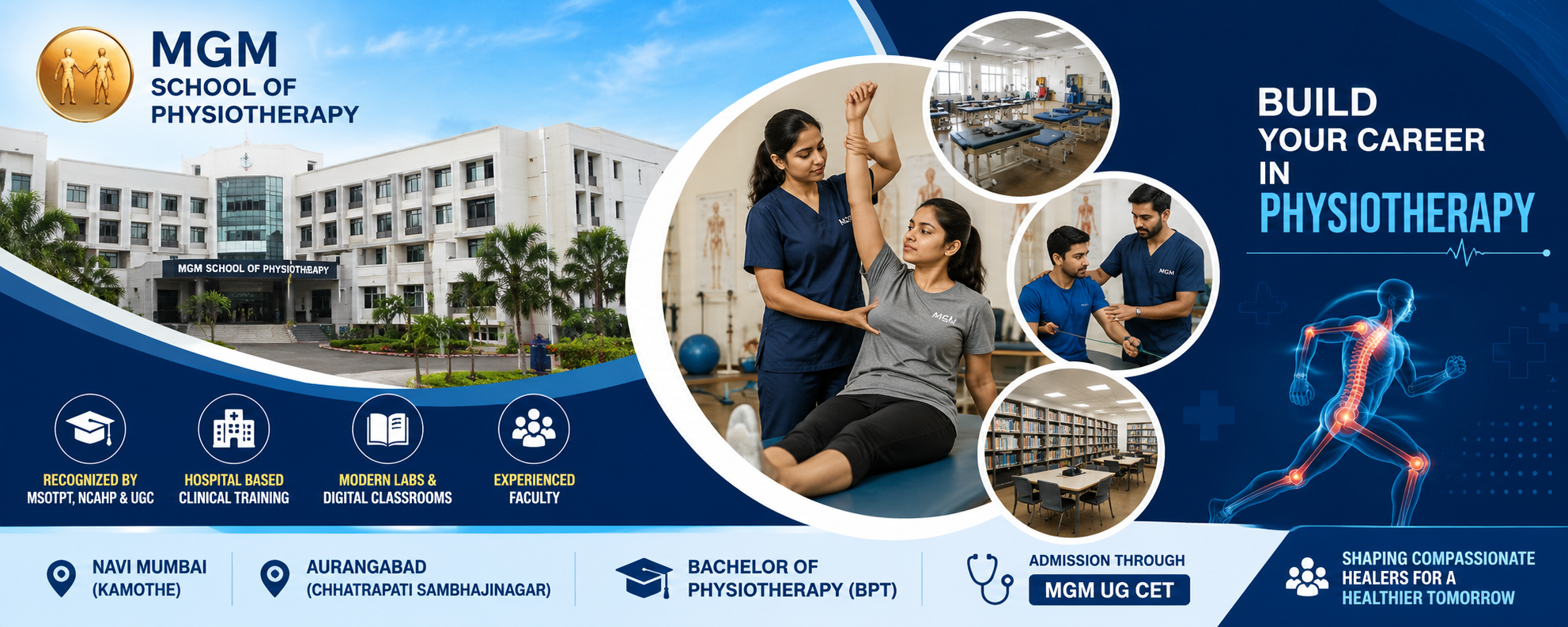
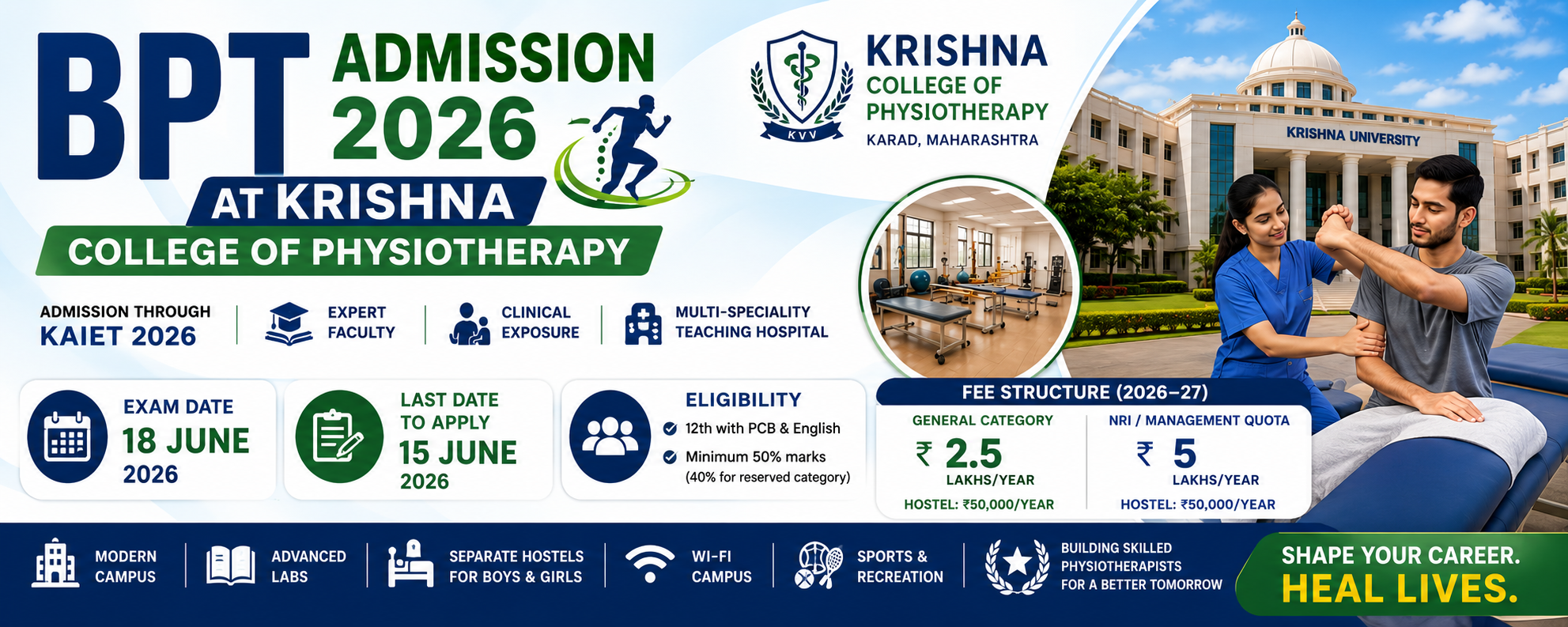
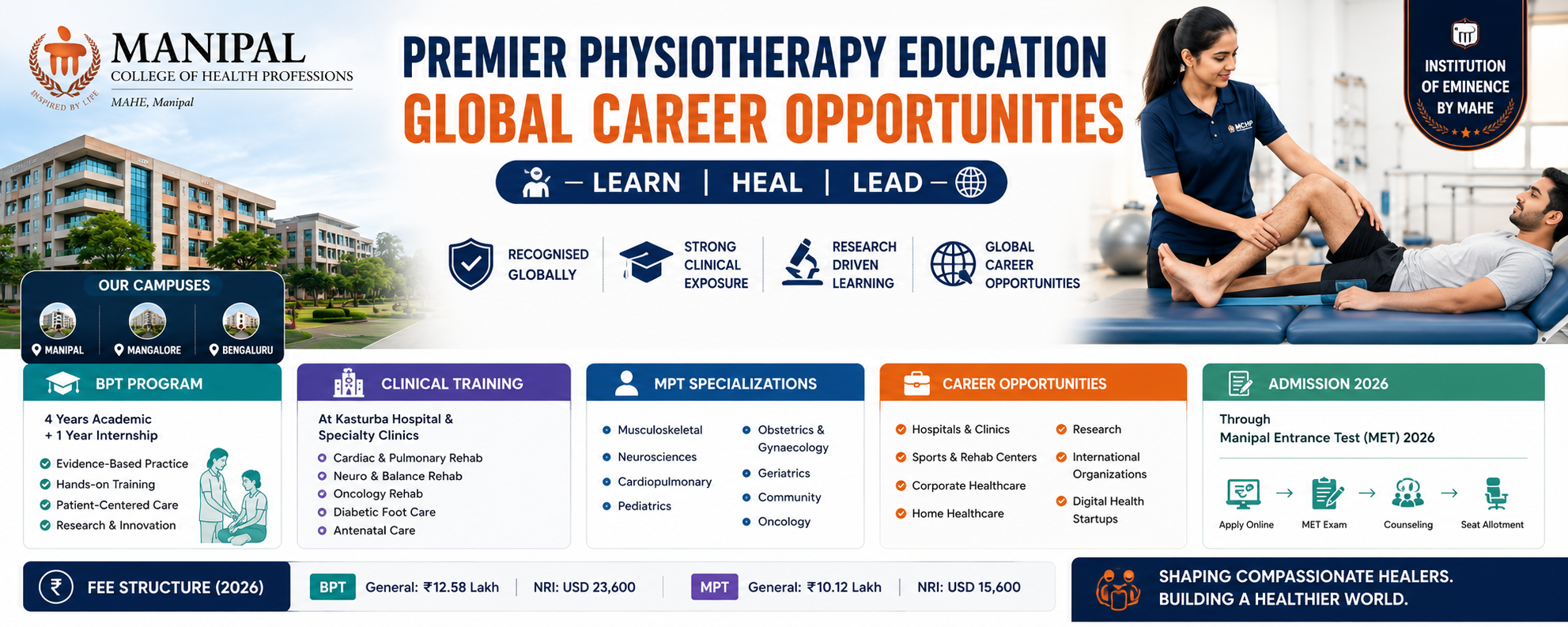
భారతదేశంలో ఫిజియోథెరపీ రంగం ఇప్పుడు వేగంగా అభివృద్ధి చెందుతున్న అత్యంత ఆశాజనకమైన వైద్య వృత్తులలో ఒకటిగా మారుతోంది. ఒకప్పుడు కేవలం సహాయక వైద్య సేవగా భావించిన ఫిజియోథెరపీ, నేడు పునరావాసం (Rehabilitation), నివారణ ఆరోగ్య సంరక్షణ, క్రీడా గాయాల చికిత్స, దీర్ఘకాలిక నొప్పుల నిర్వహణ మరియు శస్త్రచికిత్సల అనంతర కోలుకునే ప్రక్రియలో కీలక పాత్ర పోషిస్తోంది.

ప్రస్తుతం ఫిజియోథెరపిస్టులు కేవలం గాయాల నుంచి కోలుకునేలా చేయడమే కాదు, సంపూర్ణ ఆరోగ్య సంరక్షణ వ్యవస్థలో ఒక ముఖ్యమైన భాగంగా మారుతున్నారు. ఆసుపత్రులు, స్పోర్ట్స్ అకాడమీలు, ఫిట్‌నెస్ సెంటర్లు, హోమ్ హెల్త్‌కేర్ సేవలు మరియు డిజిటల్ రిహాబిలిటేషన్ స్టార్టప్‌లలో ఫిజియోథెరపీ నిపుణులకు విస్తృత అవకాశాలు లభిస్తున్నాయి.

ఫిజియోథెరపీ రంగం వేగంగా అభివృద్ధి చెందుతోంది భారతదేశంలోని ఫిజియోథెరపీ మార్కెట్ 2030 నాటికి సుమారు $1.9 బిలియన్‌కు చేరుకుంటుందని అంచనా. ఈ వృద్ధికి ప్రధాన కారణాలు:

• వృద్ధాప్య జనాభా పెరగడం
• దీర్ఘకాలిక నొప్పులు మరియు జీవనశైలి వ్యాధులు పెరగడం
• క్రీడలు మరియు ఫిట్‌నెస్‌పై ఆసక్తి పెరగడం
• శస్త్రచికిత్సల తర్వాత రిహాబిలిటేషన్ అవసరం పెరగడం
• నాన్-ఇన్వేసివ్ (శస్త్రచికిత్స అవసరం లేని) చికిత్సలపై అవగాహన పెరగడం

ఆరోగ్య రంగం ఇప్పుడు కేవలం చికిత్స కాకుండా కోలుకోవడం మరియు నివారణ వైద్యంపై దృష్టి పెడుతుండటంతో, ఫిజియోథెరపీ అత్యంత వేగంగా ఎదుగుతున్న Allied Health Profession‌గా మారుతోంది.

సాంకేతికతతో మారుతున్న ఫిజియోథెరపీ ఫిజియోథెరపీ భవిష్యత్తు సాంకేతికతతో బలంగా అనుసంధానమై ఉంది. ప్రస్తుతం ఫిజియోథెరపీలో ఈ ఆధునిక సాంకేతిక సేవలు అందుబాటులోకి వస్తున్నాయి:

• టెలీ-రిహాబిలిటేషన్ మరియు ఆన్‌లైన్ కన్సల్టేషన్‌లు
• AI ఆధారిత శరీర కదలికల విశ్లేషణ
• స్మార్ట్ రిహాబిలిటేషన్ పరికరాలు
• ఫిట్‌నెస్ మరియు థెరపీ ట్రాకింగ్ పరికరాలు
• గేమ్‌ల రూపంలో వ్యాయామ థెరపీ

ఇవి గ్రామీణ ప్రాంతాలు మరియు హోమ్‌కేర్ సేవల్లో కూడా ఫిజియోథెరపీని మరింత అందుబాటులోకి తీసుకువస్తున్నాయి.

అత్యధిక డిమాండ్ ఉన్న స్పెషలైజేషన్‌లు

స్పోర్ట్స్ ఫిజియోథెరపీ:
భారతదేశంలో క్రీడలు మరియు ఫిట్‌నెస్ రంగం వేగంగా పెరుగుతున్నందున, స్పోర్ట్స్ ఫిజియోథెరపిస్టులకు భారీ డిమాండ్ ఉంది. వీరు క్రీడాకారుల గాయాల నివారణ, చికిత్స మరియు పనితీరు మెరుగుదలలో సహాయం చేస్తారు.

జెరియాట్రిక్ ఫిజియోథెరపీ:
వృద్ధాప్య జనాభా పెరగడంతో వృద్ధుల కదలిక సమస్యలు, కీళ్ల నొప్పులు మరియు దీర్ఘకాలిక వ్యాధుల నిర్వహణకు నిపుణుల అవసరం పెరుగుతోంది.

న్యూరో & ICU రిహాబిలిటేషన్:
స్ట్రోక్, నర సంబంధిత వ్యాధులు లేదా ICU చికిత్సల తర్వాత కోలుకునే రోగులకు ప్రత్యేక ఫిజియోథెరపీ అవసరం అవుతోంది.

ఆర్థోపెడిక్ & మస్కులోస్కెలెటల్ రిహాబిలిటేషన్:
బ్యాక్ పెయిన్, మెడ నొప్పులు, పోష్చర్ సమస్యలు, జాయింట్ నొప్పులు మరియు పని ఒత్తిడితో వచ్చే శారీరక సమస్యలకు ఫిజియోథెరపీ సేవల అవసరం పెరుగుతోంది.

వృత్తిపరమైన గుర్తింపు National Commission for Allied and Healthcare Professions (NCAHP) చట్టం అమలులోకి రావడం ఫిజియోథెరపీ వృత్తికి పెద్ద గుర్తింపును తీసుకొచ్చింది. దీని వల్ల విద్యా ప్రమాణాలు మెరుగుపడి, ఫిజియోథెరపిస్టులకు ప్రొఫెషనల్ స్థాయి పెరిగింది.

ఇప్పుడు BPT పట్టభద్రులు:
• “Dr.” అనే ప్రిఫిక్స్
• “PT” అనే సఫిక్స్

ఉపయోగించేందుకు అనుమతించబడ్డారు. ఇది ప్రజల్లో నమ్మకాన్ని మరియు ఉద్యోగ అవకాశాలను పెంచుతోంది.

జీతాలు మరియు ఉద్యోగ అవకాశాలు

సగటు జీతాలు:
• ఫ్రెషర్స్: ₹2.4 – ₹3.6 లక్షలు వార్షికం
• మిడ్-లెవల్: ₹5 – ₹8 లక్షలు
• అనుభవజ్ఞులు: ₹8 లక్షల కంటే ఎక్కువ
• ప్రైవేట్ క్లినిక్‌లు మరియు స్పోర్ట్స్ రిహాబ్‌లో ఇంకా ఎక్కువ ఆదాయం సాధ్యమవుతుంది

ఫిజియోథెరపిస్టులు ఈ రంగాల్లో పనిచేయవచ్చు:
• మల్టీ-స్పెషాలిటీ ఆసుపత్రులు
• రిహాబిలిటేషన్ సెంటర్లు
• స్పోర్ట్స్ అకాడమీలు
• హోమ్ హెల్త్‌కేర్ సేవలు
• డిజిటల్ హెల్త్ స్టార్టప్‌లు
• ప్రైవేట్ క్లినిక్‌లు
• విదేశీ ఆరోగ్య వ్యవస్థలు

చాలామంది తమ స్వంత క్లినిక్‌లు మరియు రిహాబిలిటేషన్ సెంటర్లు కూడా ప్రారంభిస్తున్నారు.

ఉన్న సవాళ్లు
ఫిజియోథెరపీ వేగంగా అభివృద్ధి చెందుతున్నప్పటికీ కొన్ని సవాళ్లు ఇంకా ఉన్నాయి:

• గ్రామీణ ప్రాంతాల్లో అవగాహన తక్కువగా ఉండటం
• ఫ్రెషర్స్‌కు తక్కువ జీతాలు
• మెరుగైన శిక్షణ మరియు సదుపాయాల అవసరం
• పట్టణ ప్రాంతాల్లో పోటీ పెరగడం

అయితే ఆరోగ్య అవగాహన పెరగడం మరియు ప్రభుత్వ నియంత్రణలతో ఈ సమస్యలు క్రమంగా తగ్గే అవకాశం ఉంది.

ఫిజియోథెరపీ ఎందుకు భవిష్యత్తు?
ఇప్పుడు ఫిజియోథెరపీని కేవలం “సహాయక వైద్య వృత్తి”గా కాకుండా, నివారణ మరియు పునరావాస ఆరోగ్య సంరక్షణలో ప్రధాన భాగంగా చూస్తున్నారు.

భారతదేశం ఇప్పుడు:

• నాన్-ఇన్వేసివ్ చికిత్సలు
• నివారణ వైద్యం
• డిజిటల్ హెల్త్‌కేర్
• ఫిట్‌నెస్ మరియు వెల్నెస్

వైపు వేగంగా అడుగులు వేస్తుండటంతో, ఫిజియోథెరపిస్టుల పాత్ర మరింత ముఖ్యమవుతోంది.

MBBSలో ఉన్న తీవ్రమైన పోటీకి బదులుగా ఆరోగ్య రంగంలో మంచి కెరీర్ కోరుకునే విద్యార్థులకు ఫిజియోథెరపీ ఒక అద్భుతమైన ఎంపిక.

ఫిజియోథెరపీ అందించే ప్రయోజనాలు:
✅ మంచి కెరీర్ గ్రోత్
✅ గౌరవప్రదమైన వృత్తి
✅ విదేశీ అవకాశాలు
✅ పెరుగుతున్న డిమాండ్
✅ రోగుల జీవితాల్లో సానుకూల మార్పు తీసుకురావడం

ముగింపు:
భారతదేశంలో ఫిజియోథెరపీ భవిష్యత్తు చాలా ప్రకాశవంతంగా కనిపిస్తోంది. సాంకేతిక అభివృద్ధి, ఆరోగ్య అవగాహన, ప్రభుత్వ మద్దతు మరియు పెరుగుతున్న రిహాబిలిటేషన్ అవసరాల కారణంగా, రాబోయే సంవత్సరాల్లో ఫిజియోథెరపీ అత్యంత డిమాండ్ ఉన్న వైద్య వృత్తులలో ఒకటిగా మారనుంది.

ప్రజలకు సహాయం చేయాలనే ఆసక్తి, ఆరోగ్య రంగంపై మక్కువ ఉన్న విద్యార్థులకు ఫిజియోథెరపీ కేవలం ఒక కోర్సు మాత్రమే కాదు — భవిష్యత్తుకు సిద్ధమైన స్థిరమైన మరియు అర్థవంతమైన కెరీర్.

Karnataka Fee Regulatory Committee Issues Advisory for Professional Course Students

The Karnataka Fee Regulatory Committee has issued an important advisory for students seeking admission to professional courses in private educational institutions across the state.

As per the notice dated 26 May 2026, students applying to private professional colleges and universities in Karnataka should carefully check the official fee structure approved by the government before making any payment.

The advisory mentions that the fee details for various professional courses are made available through the Karnataka Examinations Authority. Students and parents are advised to verify the fees applicable to government quota and other relevant seats before joining any institution.

The committee has also advised students not to pay any excess amount beyond the prescribed fee fixed by the government. If any college demands extra fees or collects charges beyond the approved structure, students can bring the matter to the notice of the concerned authority.

Why This Advisory Is Important

Every year, many students and parents face confusion regarding fee structures in private colleges. Some institutions may collect additional charges under different heads. This notice reminds students to remain alert and depend only on officially notified fee details.

Students Should Remember

Before paying fees, students should:

Check the official fee structure through KEA
Keep payment receipts safely
Avoid paying unofficial or unapproved charges
Report excess fee demands to the authority
Verify all details before admission confirmation

Final Advice

This advisory is important for students taking admission in professional courses in Karnataka. Parents and students should not depend only on verbal information from colleges or agents. They should verify the fee structure officially and protect themselves from excess fee collection.

Pay only approved fees. Verify before admission. Report any illegal fee demand.

ഇന്ത്യയുടെ ഹെൽത്ത്‌കെയർ ഭാവിയെ ബാധിക്കുന്ന നിശ്ശബ്ദ പ്രതിസന്ധി: മെഡിക്കൽ കൗൺസിലിംഗ് സംവിധാനത്തിന് അടിയന്തര പരിഷ്‌കരണം അനിവാര്യം

ഇന്ത്യയിലെ മെഡിക്കൽ പ്രവേശനവും കൗൺസിലിംഗ് സംവിധാനവും രാജ്യത്തിലെ ഏറ്റവും ഉയർന്ന സമ്മർദ്ദവും അതീവ വികാരാഭരിതവുമായ വിദ്യാഭ്യാസ പ്രക്രിയകളിൽ ഒന്നാണ്. NEET പരീക്ഷയുടെ കഠിനമായ മത്സരത്തിൽ നിന്ന് തുടങ്ങി സീറ്റ് മാട്രിക്സ് പ്രസിദ്ധീകരണം, ചോയ്സ് ഫില്ലിംഗ്, അലോട്ട്മെന്റ്, NRI വെരിഫിക്കേഷൻ, ഫീസ് അടയ്ക്കൽ, അവസാന ജോയിനിംഗ് തുടങ്ങി ഓരോ ഘട്ടവും ലക്ഷക്കണക്കിന് വിദ്യാർത്ഥികളുടെയും അവരുടെ കുടുംബങ്ങളുടെയും ഭാവിയെ നേരിട്ട് നിർണയിക്കുന്നു.

നൂറുകണക്കിന് കോടി രൂപയുടെ റീഫണ്ടബിൾ സെക്യൂരിറ്റി ഡെപ്പോസിറ്റുകളും ആയിരക്കണക്കിന് മെഡിക്കൽ സീറ്റുകളും കൈകാര്യം ചെയ്യുന്ന ഒരു ദേശീയ സംവിധാനം ഇരുട്ടിൽ പ്രവർത്തിക്കാൻ പാടില്ല. അത് പരമാവധി സുതാര്യതയും സാങ്കേതിക മികവും ഉറച്ച ഉത്തരവാദിത്തബോധവും പുലർത്തുന്ന സംവിധാനമായിരിക്കണം.

എന്നാൽ ഇന്ന് വിദ്യാർത്ഥികൾ, രക്ഷിതാക്കൾ, മെഡിക്കൽ വിദ്യാഭ്യാസ വിദഗ്ധർ എന്നിവരിൽ നിന്ന് ഉയരുന്ന ഗുരുതര ആശങ്കകൾ മറ്റൊരു യാഥാർത്ഥ്യത്തെ സൂചിപ്പിക്കുന്നു. മെഡിക്കൽ കൗൺസിലിംഗ് കമ്മിറ്റിയുടെ (MCC) പ്രവർത്തനങ്ങളിൽ കാണുന്ന സിസ്റ്റം തകരാറുകൾ, ആശയവിനിമയ കുറവുകൾ, ഭരണപരമായ അവ്യക്തതകൾ എന്നിവ ഇനി സാധാരണ ബ്യൂറോക്രാറ്റിക് പ്രശ്നങ്ങളായി അവഗണിക്കാനാകില്ല. ഇത് ഒരു ഘടനാപരമായ പ്രതിസന്ധിയിലേക്കുള്ള മുന്നറിയിപ്പുകളാണ്.

ദേശീയ ഉത്തരവാദിത്തം, പക്ഷേ തകർന്ന ഘടന

ആരോഗ്യ മന്ത്രാലയത്തിന്റെയും ഡയറക്ടറേറ്റ് ജനറൽ ഓഫ് ഹെൽത്ത് സർവീസസിന്റെയും (DGHS) കീഴിൽ പ്രവർത്തിക്കുന്ന MCC ഒരു ചെറിയ അഡ്മിനിസ്ട്രേറ്റീവ് ഓഫീസ് മാത്രമല്ല. ഇന്ത്യയിലെ AIQ സീറ്റുകൾ, ഡീംഡ് യൂണിവേഴ്സിറ്റികൾ, സെൻട്രൽ യൂണിവേഴ്സിറ്റികൾ, MBBS, BDS, MD, MS, സൂപ്പർ സ്പെഷ്യാലിറ്റി കോഴ്സുകൾ എന്നിവയിലെ പ്രവേശന നിയന്ത്രണം നിർണയിക്കുന്ന വലിയ ദേശീയ സംവിധാനം തന്നെയാണ് ഇത്.

ഇന്ത്യയുടെ ഭാവി ആരോഗ്യസംരക്ഷണ സംവിധാനം ഈ പ്രവേശന ശൃംഖലയെ ആശ്രയിക്കുന്നതിനാൽ, അതിന്റെ അടിസ്ഥാന സൗകര്യങ്ങളും സാങ്കേതിക സംവിധാനങ്ങളും ഭരണഘടനാപരമായ സംവിധാനങ്ങളും പൂർണമായും വിശ്വസനീയമായിരിക്കണം. എന്നാൽ നിലവിലെ സംവിധാനം വിഭജിക്കപ്പെട്ടതും, അമിതമായി ഔട്ട്‌സോഴ്‌സ് ചെയ്തതും, ഉത്തരവാദിത്തം വ്യക്തതയില്ലാത്തതുമായ ഘടനയാണെന്ന വിമർശനങ്ങൾ ശക്തമാകുന്നു.

സാമ്പത്തിക ഉത്തരവാദിത്തവും HLL ബന്ധവും

മെഡിക്കൽ കൗൺസിലിംഗിൽ പങ്കെടുക്കാൻ വിദ്യാർത്ഥികളും കുടുംബങ്ങളും ലക്ഷങ്ങൾ വരെ എത്തുന്ന റീഫണ്ടബിൾ സെക്യൂരിറ്റി ഫീസുകൾ അടയ്ക്കേണ്ടിവരുന്നു. അതിനാൽ, പൊതുജനങ്ങളുടെ പണം കൈകാര്യം ചെയ്യുന്ന സംവിധാനത്തിന് പരമാവധി സാമ്പത്തിക സുതാര്യത നിർബന്ധമാണ്.

എന്നാൽ MCCയുടെ ഔദ്യോഗിക സഹായ വിവരങ്ങളിൽ refund സംബന്ധിച്ച grievance email-കൾ lifecarehll.com എന്ന ഡൊമെയിനിൽ പ്രവർത്തിക്കുന്നതായി കാണപ്പെടുന്നു. ഇത് കേന്ദ്ര പൊതുമേഖലാ സ്ഥാപനമായ HLL Lifecare Limited-നോടാണ് ബന്ധപ്പെട്ടിരിക്കുന്നത്.

HLLയുടെ പങ്കാളിത്തം നിയമപരമായതായിരിക്കാം. എങ്കിലും വിദ്യാർത്ഥികൾക്കും പൊതുജനങ്ങൾക്കും ചില നിർണായക ചോദ്യങ്ങൾ ചോദിക്കാനുള്ള അവകാശമുണ്ട്:

സാമ്പത്തിക സുതാര്യതയെക്കുറിച്ചുള്ള നിർണായക ചോദ്യങ്ങൾ

  • വിദ്യാർത്ഥികളിൽ നിന്ന് ശേഖരിക്കുന്ന ആയിരക്കണക്കിന് കോടി രൂപയുടെ ഡെപ്പോസിറ്റുകളുടെ യഥാർത്ഥ കസ്റ്റഡി ആരുടെ കൈയിലാണ്?
  • ഈ വലിയ തുകകളിൽ നിന്ന് ലഭിക്കുന്ന പലിശയ്ക്ക് സ്വതന്ത്ര ഓഡിറ്റ് സംവിധാനമുണ്ടോ?
  • റീഫണ്ടുകൾ മാസങ്ങളോളം വൈകുമ്പോൾ നിയമപരമായ ഉത്തരവാദിത്തം ആര്‍ക്കാണ്?
  • വിദ്യാർത്ഥികളുടെ അതീവ ആശങ്കകൾ കൈകാര്യം ചെയ്യുന്ന കോൾ സെന്ററുകൾക്ക് പ്രകടന മാനദണ്ഡങ്ങളും പിഴ വ്യവസ്ഥകളും ഉണ്ടോ?

സാങ്കേതിക സംവിധാനത്തിന് പൊതുജന ഓഡിറ്റ് അനിവാര്യം

മെഡിക്കൽ കൗൺസിലിംഗ് ഇന്ന് പൂർണമായും ഓൺലൈൻ സംവിധാനമായി മാറിയിരിക്കുന്നു. അതായത്, ഒരു വിദ്യാർത്ഥിയുടെ ഭാവി നിർണയിക്കുന്നത് അവസാനത്തിൽ സോഫ്റ്റ്‌വെയർ അല്ഗോറിതമാണ്.

HLL മെഡിക്കൽ കൗൺസിലിംഗ് സപ്പോർട്ട് സെല്ലിനായി സർവറുകളും സോഫ്റ്റ്‌വെയർ സംവിധാനങ്ങളും സംബന്ധിച്ച് ടെൻഡറുകൾ വിളിച്ചിട്ടുണ്ടെന്ന രേഖകൾ ഇതിനകം പൊതുജനങ്ങൾക്ക് ലഭ്യമാണ്. അതിനാൽ ഈ സംവിധാനത്തിന്റെ മുഴുവൻ ടെക്നോളജി അടിസ്ഥാന സൗകര്യവും സ്വതന്ത്ര സൈബർ, സോഫ്റ്റ്‌വെയർ ഓഡിറ്റിന് വിധേയമാക്കേണ്ടത് നിർബന്ധമാണ്.

പ്രധാന സാങ്കേതിക സുരക്ഷാ മേഖലകൾ

സുരക്ഷാ മേഖലനിലവിലെ സാധ്യതാപരമായ അപകടം
അലോട്ട്മെന്റ് അല്ഗോറിതം ഓഡിറ്റ്ഉയർന്ന റാങ്കുള്ള വിദ്യാർത്ഥികളെ മറികടന്ന് തെറ്റായ അലോട്ട്മെന്റ് സാധ്യത
സീറ്റ് മാട്രിക്സ് പരിശോധനതെറ്റായ/ഡ്യൂപ്ലിക്കേറ്റ് സീറ്റുകൾ പ്രസിദ്ധീകരിക്കൽ
സൈബർ സുരക്ഷഡാറ്റ ചോർച്ച, സർവർ ക്രാഷ്, അനധികൃത പ്രവേശനം
ഡാറ്റ പ്രൈവസിസ്വകാര്യ വിവരങ്ങൾ ചോർന്ന് സ്വകാര്യ ഏജന്റുമാരുടെ ദുരുപയോഗം

വിദ്യാർത്ഥികൾ അവരുടെ കരിയർ ഒരു പരിശോധിക്കാത്ത അല്ഗോറിതത്തിന്റെ കരുണയിൽ വിട്ടുകൊടുക്കേണ്ട സാഹചര്യം ഉണ്ടാകരുത്.

ഭാഷാ വൈവിധ്യത്തെ അവഗണിക്കുന്ന ഹെൽപ്‌ഡെസ്ക്

ഇന്ത്യയിലെ മെഡിക്കൽ വിദ്യാർത്ഥികൾ കേരളം മുതൽ വടക്കുകിഴക്കൻ സംസ്ഥാനങ്ങൾ വരെ വിവിധ ഭാഷാ പശ്ചാത്തലങ്ങളിൽ നിന്നാണ് എത്തുന്നത്. എന്നാൽ ദേശീയ ഹെൽപ്‌ഡെസ്ക് ഇന്നും വളരെ പരിമിതമായ ഭാഷകളിൽ പ്രവർത്തിക്കുന്നതായാണ് പരാതികൾ.

ക്രോസ്-സ്റ്റേറ്റ് കാറ്റഗറി യോഗ്യത, NRI നിയമങ്ങൾ, ഫീസ് ഘടനകൾ പോലുള്ള സങ്കീർണ്ണ വിഷയങ്ങളിൽ വിദ്യാർത്ഥികൾക്ക് സ്ക്രിപ്റ്റ് വായിക്കുന്ന കോൾ സെന്റർ ഏജന്റുമാരല്ല വേണ്ടത്. പരിശീലനം ലഭിച്ച കൗൺസിലിംഗ് ഓഫീസർമാരാണ് വേണ്ടത്.

ദേശീയ ഹെൽപ്‌ഡെസ്ക്:

  • ബഹുഭാഷാ സംവിധാനമാകണം
  • നിയമപരമായ ഉത്തരവാദിത്തമുള്ളതാകണം
  • സമയം പാലിച്ച് മറുപടി നൽകുന്ന സംവിധാനമാകണം

സീറ്റ് മാട്രിക്സ് പിഴവുകളും NRI വെരിഫിക്കേഷൻ പ്രതിസന്ധിയും

അടുത്തകാലത്തെ ഏറ്റവും ഗുരുതരമായ പ്രശ്നങ്ങളിൽ ഒന്നാണ് തെറ്റായ സീറ്റ് മാട്രിക്സ് പ്രസിദ്ധീകരണവും NRI വെരിഫിക്കേഷൻ തർക്കങ്ങളും.

ഒരു തെറ്റായ സീറ്റ് എൻട്രി പോലും:

  • രാജ്യവ്യാപക ആശങ്കയ്ക്ക് കാരണമാകാം
  • കോടതിവഴക്കുകൾ സൃഷ്ടിക്കാം
  • പ്രവേശന കലണ്ടർ തകർക്കാം
  • ഒരു വിദ്യാർത്ഥിയുടെ ഒരു വർഷം നഷ്ടപ്പെടുത്താം

NRI വെരിഫിക്കേഷനിൽ വിദ്യാർത്ഥികൾ വിലകൂടിയ embassy-attested രേഖകൾ സമർപ്പിച്ചിട്ടും വ്യക്തമായ കാരണം പറയാതെ അപേക്ഷകൾ നിരസിക്കപ്പെടുന്നതായും പരാതികളുണ്ട്.

സ്വാഭാവിക നീതിയുടെ അടിസ്ഥാനത്തിൽ ഓരോ rejection-നും താഴെ പറയുന്നവ നിർബന്ധമായും ഉണ്ടായിരിക്കണം:

[ഏത് രേഖയിലാണ് കുറവ്] → [ഏത് നിയമപ്രകാരമാണ് നിരസിച്ചത്] → [തിരുത്തൽ/അപ്പീൽ സമയപരിധി]

ഒരു വരി സ്റ്റാറ്റസ് അപ്ഡേറ്റോ പൂർണ്ണ നിശബ്ദതയോ വിദ്യാർത്ഥികളുടെ നീതിയുള്ള പ്രതീക്ഷകളെ ലംഘിക്കുന്നതാണ്.

സ്ഥിരമായ ദേശീയ മെഡിക്കൽ കൗൺസിലിംഗ് അതോറിറ്റിയിലേക്ക്

ഇപ്പോഴുള്ള താൽക്കാലികവും വിഭജിക്കപ്പെട്ടതുമായ MCC-DGHS-HLL മാതൃക ദീർഘകാലം നിലനിൽക്കാൻ സാധിക്കില്ല.

ഇതിനുള്ള യഥാർത്ഥ പരിഹാരം:

പാർലമെന്റിന് ഉത്തരവാദിത്തമുള്ള സ്ഥിരമായ നിയമപരമായ മെഡിക്കൽ കൗൺസിലിംഗ് അതോറിറ്റി രൂപീകരിക്കൽ

ആധുനിക കൗൺസിലിംഗ് അതോറിറ്റിയുടെ ഘടന

  • സ്ഥിരം ഓഫീസ് അടിസ്ഥാന സൗകര്യം
  • IT Security, Legal Compliance, Finance Audit, Student Grievance വിഭാഗങ്ങൾ
  • Live Transparency Dashboards
  • Cybersecurity വിദഗ്ധർ, നിയമ വിദഗ്ധർ, വിദ്യാർത്ഥി ക്ഷേമ പ്രതിനിധികൾ ഉൾപ്പെട്ട സ്വതന്ത്ര മേൽനോട്ട ബോർഡ്

സമാപനം: ഇത് ദേശീയ വിശ്വാസത്തിന്റെ വിഷയമാണ്

ഇത് ഒരു പ്രത്യേക വകുപ്പ് അല്ലെങ്കിൽ പൊതുമേഖലാ സ്ഥാപനത്തിനെതിരായ ആക്രമണമല്ല. ഇന്ത്യയുടെ ഭാവി ഡോക്ടർമാരുടെ സുരക്ഷയ്ക്കായുള്ള മുന്നറിയിപ്പാണ്.

നാളെയുടെ ICU-കളിൽ സേവനം ചെയ്യേണ്ടവരും ശസ്ത്രക്രിയകൾ നടത്തേണ്ടവരും പൊതുജനാരോഗ്യം സംരക്ഷിക്കേണ്ടവരുമായ വിദ്യാർത്ഥികളുടെ ഭാവി സോഫ്റ്റ്‌വെയർ തകരാറുകളിലും റീഫണ്ട് വൈകിപ്പിക്കലുകളിലും ഭരണപരമായ അവ്യക്തതകളിലും തൂങ്ങിയിരിക്കരുത്.

മെഡിക്കൽ കൗൺസിലിംഗ് ഒരു സാധാരണ സീറ്റ് അലോട്ട്മെന്റ് പ്രക്രിയയല്ല. അത് ഒരു ദേശീയ വിശ്വാസത്തിന്റെ ചുമതലയാണ്.

ഇപ്പോൾ തന്നെ കേന്ദ്ര സർക്കാർ സ്വതന്ത്ര ഘടനാപരമായ ഓഡിറ്റ് നടത്തുകയും, സുതാര്യവും നിയമപരമായി ശക്തവുമായ, വിദ്യാർത്ഥി കേന്ദ്രീകൃതമായ ഒരു മെഡിക്കൽ പ്രവേശന സംവിധാനം സൃഷ്ടിക്കുകയും ചെയ്യേണ്ട സമയമാണിത്.

ഇന്ത്യയുടെ ഭാവി ഡോക്ടർമാർ അതിലും കുറവൊന്നും അർഹിക്കുന്നില്ല.

भारत की मेडिकल काउंसलिंग प्रणाली में अदृश्य संकट: क्यों बेहद जरूरी है तत्काल सुधार?

भारत में मेडिकल एडमिशन (चिकित्सा प्रवेश) की प्रक्रिया देश की सबसे संवेदनशील और उच्च प्राथमिकताओं वाली शिक्षा व्यवस्थाओं में से एक है। NEET परीक्षा के कड़े संघर्ष से लेकर काउंसलिंग के चक्रव्यूह तक—जिसमें सीट मैट्रिक्स का प्रकाशन, चॉइस फिलिंग (सीटों का चयन), अलॉटमेंट (सीट आवंटन), एनआरआई (NRI) सत्यापन, फीस भुगतान और अंततः कॉलेज जॉइन करना शामिल है—हर एक कदम लाखों छात्रों और उनके परिवारों के भविष्य को सीधे तय करता है।

जब कोई प्रशासनिक व्यवस्था हजारों जीवन-बदलने वाली सीटों का प्रबंधन कर रही हो और छात्रों की करोड़ों रुपये की ‘रिफंडेबल सिक्योरिटी डिपॉजिट’ (वापस होने वाली सुरक्षा राशि) अपने पास रखती हो, तो उसके कामकाज में रत्ती भर भी धुंधलापन नहीं होना चाहिए। उसे पारदर्शिता, तकनीकी क्षमता और अटूट जवाबदेही का एक आदर्श उदाहरण होना चाहिए।

लेकिन आज, छात्रों, परेशान अभिभावकों और चिकित्सा शिक्षा विशेषज्ञों द्वारा उठाए जा रहे गंभीर सवाल कुछ और ही कहानी बयां कर रहे हैं। मेडिकल काउंसलिंग कमेटी (MCC) के कामकाज में आ रही तकनीकी खामियां, संचार की कमी और प्रशासनिक ढुलमुल रवैये को अब मामूली शिकायतें मानकर खारिज नहीं किया जा सकता। ये एक बड़े संकट की चेतावनी हैं।

एक राष्ट्रीय जिम्मेदारी और कमजोर प्रशासनिक ढांचा

MCC कोई छोटा-मोटा प्रशासनिक डेस्क नहीं है जो किसी मंत्रालय के गलियारे में छिपा हो; यह देश का एक बहुत बड़ा एडमिशन इंजन है। स्वास्थ्य और परिवार कल्याण मंत्रालय के तहत स्वास्थ्य सेवा महानिदेशालय (DGHS) के निर्देश पर काम करते हुए, MCC सीधे तौर पर ऑल इंडिया कोटा (AIQ), डीम्ड यूनिवर्सिटी, केंद्रीय विश्वविद्यालयों और MBBS, BDS, MD, MS व सुपर-स्पेशियलिटी पाठ्यक्रमों की सीटों के आवंटन के लिए जिम्मेदार है।

चूँकि भारत के भविष्य के डॉक्टरों की पूरी कतार इसी व्यवस्था से निकलती है, इसलिए इस सिस्टम का तकनीकी, प्रशासनिक और भौतिक रूप से त्रुटिहीन होना अनिवार्य है। दुर्भाग्य से, वर्तमान व्यवस्था बिखरी हुई, आउटसोर्स (बाहरी एजेंसियों पर निर्भर) और अपारदर्शी महसूस होती है।

वित्तीय सुरक्षा और ‘HLL लाइफकेयर’ का उलझा हुआ गणित

काउंसलिंग में भाग लेने के लिए, विशेष रूप से डीम्ड विश्वविद्यालयों जैसी उच्च-फीस वाली श्रेणियों के लिए, परिवारों को सुरक्षा राशि (Security Money) के रूप में भारी रकम जमा करनी पड़ती है। यह राशि अक्सर प्रति उम्मीदवार लाखों रुपये तक होती है। ज़ाहिर है, जहाँ जनता का पैसा शामिल है, वहाँ वित्तीय स्पष्टता एक अनिवार्यता है, कोई विकल्प नहीं।

हालांकि, MCC के आधिकारिक सपोर्ट सिस्टम को करीब से देखने पर जवाबदेही को लेकर गहरे सवाल उठते हैं:

  • डोमेन का अंतर: MCC के संपर्क पृष्ठ पर वित्तीय और रिफंड से संबंधित शिकायतों के लिए दी गई आधिकारिक ईमेल आईडी lifecarehll.com डोमेन का उपयोग करती है—जो कि ‘HLL लाइफकेयर लिमिटेड’ का है।
  • कंपनी का इतिहास: HLL लाइफकेयर भारत सरकार का एक केंद्रीय सार्वजनिक क्षेत्र का उपक्रम (CPSE) है। हालांकि आज यह स्वास्थ्य सेवा क्षेत्र में एक बड़ी कंपनी बन चुकी है, लेकिन इसका ऐतिहासिक मूल मुख्य रूप से परिवार नियोजन कार्यक्रमों के तहत किफायती कंडोम और गर्भनिरोधक उत्पादों के निर्माण से जुड़ा रहा है।

भले ही इस काउंसलिंग प्रक्रिया में HLL की भूमिका मंत्रालय द्वारा पूरी तरह से कानूनी और स्वीकृत हो, लेकिन जनता और छात्र समुदाय को निम्नलिखित मोर्चों पर स्पष्टता मांगने का पूरा अधिकार है:

🛑 वित्तीय जवाबदेही पर बुनियादी सवाल

  • छात्रों द्वारा जमा किए गए हजारों करोड़ रुपये की सुरक्षा का वास्तविक कस्टोडियन (रक्षक) कौन है?
  • इन भारी-भरकम फंडों पर मिलने वाले ब्याज के नियमन के लिए स्वतंत्र ऑडिट तंत्र क्या है?
  • जब रिफंड में महीनों की देरी होती है, जिससे मध्यमवर्गीय परिवारों को भारी मानसिक और आर्थिक परेशानी होती है, तो इसकी कानूनी जिम्मेदारी किसकी है?
  • छात्रों की समस्याओं को सुनने वाले आउटसोर्स किए गए कॉल सेंटरों के प्रदर्शन पर नजर रखने के लिए क्या मापदंड तय हैं?

सॉफ्टवेयर और सिस्टम के पब्लिक ऑडिट की सख्त जरूरत

मेडिकल काउंसलिंग अब पूरी तरह से ऑनलाइन हो चुकी है, जिससे इसका सॉफ्टवेयर एल्गोरिदम ही छात्र की योग्यता का अंतिम फैसला करता है। सार्वजनिक निविदा (Tender) रिकॉर्ड बताते हैं कि HLL ने अतीत में नई दिल्ली स्थित “मेडिकल काउंसलिंग सपोर्ट सेल” के लिए सर्वर और सॉफ्टवेयर पैकेज की आपूर्ति और स्थापना के लिए टेंडर जारी किए थे।

यदि एक पब्लिक सेक्टर कंपनी इतने संवेदनशील राष्ट्रीय पोर्टल के तकनीकी ढांचे को संभाल रही है, तो पूरे सॉफ्टवेयर सिस्टम का एक कड़ा, स्वतंत्र और सार्वजनिक ऑडिट होना चाहिए। यह केवल एक वेबसाइट के तेज चलने का मामला नहीं है; इसके लिए एक अचूक डिजिटल आर्किटेक्चर की आवश्यकता है।

आवश्यक तकनीकी सुरक्षावर्तमान खतरा / संवेदनशीलता
अलॉटमेंट एल्गोरिदम ऑडिटकोडिंग की गलती के कारण कम रैंक वाले छात्र को बेहतर सीट मिलने का जोखिम।
सीट मैट्रिक्स सत्यापनकाउंसलिंग के बीच में गलत, डुप्लिकेट या बिना मंजूरी वाली सीटें दिखने का तकनीकी ग्लिच।
साइबर सुरक्षा प्रमाणनपीक आवर्स (सक्रिय घंटों) के दौरान सर्वर क्रैश होना, डेटा लीक होना और अनधिकृत पहुंच का खतरा।
डेटा गोपनीयता अनुपालनउम्मीदवारों की संवेदनशील जानकारी लीक होना, जिससे निजी एजेंट छात्रों को निशाना बना सकें।

छात्रों को अपने करियर को दांव पर लगाने के लिए किसी अन-ऑडिटेड एल्गोरिदम के भरोसे नहीं छोड़ा जा सकता, और न ही उन्हें संकट के समय केवल रोबोटिक ऑटो-रिप्लाई ईमेल के सहारे असहाय छोड़ा जाना चाहिए।

भाषा की दीवार और कॉल सेंटर की लाचारी

भारत के मेडिकल छात्र देश के हर कोने से आते हैं—चाहे वह तमिलनाडु और केरल का दक्षिणी छोर हो या पश्चिम बंगाल और उत्तर-पूर्व के सीमांत राज्य। इसके बावजूद, राष्ट्रीय स्तर का हेल्पडेस्क आज भी भाषाई रूप से बेहद सीमित और अप्रभावी बना हुआ है।

कॉल सेंटर के कर्मचारी यदि केवल एक या दो भाषाओं में पहले से तय स्क्रिप्ट पढ़कर जवाब देंगे, तो छात्रों की उलझनें कभी दूर नहीं होंगी। जब कोई छात्र एनआरआई (NRI) दस्तावेजों, अंतर-राज्यीय श्रेणी पात्रता, या जटिल फीस संरचना जैसे संवेदनशील मुद्दों से जूझ रहा हो, तो उसे किसी सामान्य कॉल सेंटर एग्जीक्यूटिव से नहीं, बल्कि प्रशिक्षित काउंसलिंग अधिकारियों से बात करने की जरूरत होती है। हेल्पडेस्क को एक पेशेवर, बहुभाषी और जवाबदेह सहायता प्रणाली में अपग्रेड किया जाना चाहिए।

सीट मैट्रिक्स की गलतियां और मनमाने NRI रिजेक्शन

हाल के इतिहास में सबसे ज्यादा नुकसान पहुंचाने वाली विफलताएं सीट मैट्रिक्स में गलतियों और अनिवासी भारतीय (NRI) दस्तावेज़ सत्यापन के दौरान मनमाने ढंग से आवेदनों को खारिज करने से जुड़ी रही हैं।

सीटों की सूची में एक भी गलत प्रविष्टि या डुप्लिकेट आवंटन देशव्यापी भ्रम पैदा कर सकता है, अंतहीन अदालती मुकदमों को जन्म दे सकता है और किसी योग्य उम्मीदवार का एक पूरा साल बर्बाद कर सकता है। सीट मैट्रिक्स तैयार करना कोई साधारण क्लर्क का काम नहीं है, इसमें नेशनल मेडिकल कमीशन (NMC), राज्यों और अदालती आदेशों के बीच कड़े तालमेल की आवश्यकता होती है।

इसी तरह, NRI कोटा सत्यापन प्रक्रिया भी एक कानूनी पहेली बन गई है। दूतावास से सत्यापित दस्तावेज जमा करने के बाद भी उम्मीदवारों को बिना किसी स्पष्ट कारण के खारिज कर दिया जाता है। प्राकृतिक न्याय (Natural Justice) के सिद्धांतों के तहत, हर रिजेक्शन के साथ एक स्पष्ट आदेश होना चाहिए:

[दस्तावेज़ में विशिष्ट कमी क्या है] ➔ [किस वैधानिक नियम के तहत खारिज किया गया] ➔ [सुधार/अपील के लिए समय सीमा]

प्रवेश जैसी उच्च-स्तरीय प्रक्रिया में प्रशासनिक निकाय द्वारा एक लाइन का रिजेक्शन स्टेटस दिखा देना या पूरी तरह चुप्पी साध लेना छात्रों के अधिकारों का हनन है।

आगे की राह: एक स्थायी वैधानिक राष्ट्रीय प्राधिकरण

स्वास्थ्य मंत्रालय, DGHS और HLL लाइफकेयर जैसी बाहरी एजेंसियों के बीच वर्तमान तदर्थ (Ad-hoc) या अस्थायी व्यवस्था अब लंबे समय तक नहीं चल सकती। छात्रों के करियर और समानता के संवैधानिक अधिकारों की रक्षा के लिए, केंद्र सरकार को इस व्यवस्था के पूरी तरह ढहने से पहले कदम उठाना होगा।

इसका एकमात्र स्थायी समाधान यह है कि इस अस्थाई समिति के ढांचे को बदलकर एक स्थायी वैधानिक राष्ट्रीय चिकित्सा काउंसलिंग प्राधिकरण (Permanent Statutory Medical Counselling Authority) का गठन किया जाए, जो सीधे संसद के प्रति जवाबदेह हो।

नए काउंसलिंग प्राधिकरण का प्रस्तावित ढांचा:

  • स्थायी कार्यालय बुनियादी ढांचा: बहु-एजेंसी और अस्थाई तौर-तरीकों को समाप्त कर एक केंद्रीकृत परमानेंट सेटअप बनाना।
  • विशेषीकृत आंतरिक सेल: प्राधिकरण के भीतर ही आईटी सुरक्षा, कानूनी अनुपालन, वित्त एवं स्वतंत्र ऑडिट, और छात्र शिकायत निवारण के लिए समर्पित और स्थायी विंग हों।
  • लाइव ट्रांसपेरेंसी डैशबोर्ड: एक ऐसा लाइव पोर्टल जहाँ सीट मैट्रिक्स में बदलाव, सीटों को वापस लेने के इतिहास, अलॉटमेंट लॉजिक और रिफंड की स्थिति को छात्र रीयल-टाइम ट्रैक कर सकें।
  • विशेषज्ञों की निगरानी: इस प्राधिकरण के शासी बोर्ड (Governing Board) में स्वतंत्र कानूनी विशेषज्ञ, साइबर सुरक्षा विशेषज्ञ, लोक प्रशासन के अनुभवी लोग और छात्र कल्याण से जुड़े प्रतिनिधि शामिल होने चाहिए।

निष्कर्ष: राष्ट्रीय विश्वास का विषय

यह आलोचना किसी एक विभाग या सार्वजनिक क्षेत्र के संगठन पर हमला नहीं है; यह भारत के डॉक्टरों के भविष्य को सुरक्षित करने की एक ईमानदार कोशिश है।

जो युवा दिमाग कल हमारे देश के आईसीयू (ICU) संभालेंगे, जटिल ऑपरेशन करेंगे और सार्वजनिक स्वास्थ्य की रक्षा करेंगे, उनके करियर को बिना ऑडिट किए गए सॉफ्टवेयर एल्गोरिदम, देरी से मिलने वाले रिफंड, भाषा की बाधाओं और अपारदर्शी प्रशासनिक फैसलों के भरोसे नहीं छोड़ा जा सकता।

मेडिकल काउंसलिंग केवल सीटों को बांटने का क्लर्क स्तर का काम नहीं है। यह एक पवित्र राष्ट्रीय विश्वास है। समय आ गया है कि सरकार इस पूरे तंत्र का एक स्वतंत्र ढांचागत ऑडिट कराए और देश को एक ऐसी चिकित्सा प्रवेश प्रणाली दे जो पारदर्शी, कानूनी रूप से सुदृढ़ और पूरी तरह से जवाबदेह हो। हमारे देश के भविष्य के डॉक्टर इससे कम के हकदार नहीं हैं।

The Silent Crisis in India’s Healthcare Pipeline: Why the Medical Counselling System Needs Urgent Reform

India’s medical admission process is easily one of the most high-stakes, emotionally charged, and sensitive education systems in the country. From the intense battle of the NEET examination to the multi-stage maze of counselling—encompassing seat matrix publication, choice filling, allotment, NRI verification, fee payment, and final joining—every single step directly alters the destiny of hundreds of thousands of students and their families.

When an administrative framework handles thousands of life-defining seats and holds hundreds of crores in refundable security deposits, it cannot afford to operate in the shadows. It must be a beacon of absolute transparency, technical competence, and unshakeable accountability.

Yet today, a growing chorus of serious concerns raised by aspirants, frustrated parents, and medical education experts suggests otherwise. The systemic glitches, communication gaps, and administrative obscurities plaguing the Medical Counselling Committee (MCC) can no longer be brushed aside as routine bureaucratic complaints. They are critical warning signs of a system on the verge of a structural breakdown.

A National-Level Weight on a Fragmented Spine

The MCC is not a minor administrative desk hidden away in a ministry corridor; it is a massive national admission engine. Operating under the Directorate General of Health Services (DGHS) and the Ministry of Health and Family Welfare (MoHFW), the MCC is directly responsible for allocating All India Quota (AIQ) seats, deemed university seats, Central Universities, and premier institutional seats across MBBS, BDS, MD, MS, and super-speciality courses.

Because the future of India’s healthcare ecosystem rests on this very pipeline, the system demands an infrastructure that is physically, technically, and administratively flawless. Unfortunately, the current setup feels fragmented, heavily outsourced, and structurally opaque.

The Question of Financial Custody and the HLL Connection

To participate in medical counselling, particularly for high-fee categories like Deemed Universities, families are required to deposit substantial amounts of money as refundable security fees. These deposits frequently run into lakhs of rupees per candidate. Naturally, where public money is involved, absolute financial clarity is a mandate, not a choice.

However, a closer look at the MCC’s official support structure reveals deep-seated questions about accountability:

  • The Domain Disconnect: The official financial and refund-related grievance emails listed on the MCC contact page utilize the domain lifecarehll.com—belonging to HLL Lifecare Limited.
  • The Corporate Profile: HLL Lifecare is a Government of India Central Public Sector Enterprise (CPSE). While it has evolved into a diversified healthcare services provider, its historical core lies in the manufacturing of affordable contraceptives and family planning products.

While HLL’s involvement may be entirely legal and sanctioned by the Ministry, the public and the student community have a legitimate right to demand clarity on the following fronts:

🛑 Critical Questions on Financial Accountability

  • Who exactly holds custody of the thousands of crores collected as student deposits?
  • What is the independent audit mechanism governing the interest earned on these massive short-term funds?
  • Who bears legal liability when refunds are delayed for months, causing immense financial distress to middle-class families?
  • What are the performance metrics and penalty clauses governing the outsourced call centres handling student panics?

The Urgent Need for a Public Tech Audit

Medical counselling has transitioned almost entirely online, making the underlying software algorithm the ultimate arbiter of a student’s merit. Public bidding records show that HLL has historically floated tenders for installing servers and software packages specifically for the “Medical Counselling Support Cell.”

If a public sector enterprise is managing or procuring the technology backbone of a high-stakes national admission portal, the entire software suite must be subjected to a rigorous, independent public audit. We are not just talking about an interface that loads quickly; a national medical portal requires a bulletproof digital architecture.

Essential Tech SafeguardCurrent Threat / Vulnerability
Allotment Algorithm AuditRisk of logical loops or faulty code prioritizing lower ranks over higher merit.
Seat Matrix ValidationGlitches showing incorrect, duplicate, or unapproved seats mid-round.
Cybersecurity CertificationVulnerability to data leaks, server crashes during peak hours, and unauthorized access.
Data Privacy ComplianceExposure of sensitive candidate information, leading to predatory targeting by private agents.

Students should not be forced to gamble their careers on an unverified algorithm, nor should they be left stranded by generic, automated email auto-responders when their entire life’s savings are on the line.

De-escalating the Language Barrier

India’s medical aspirants are deeply diverse, hailing from every corner of the nation—from the southern tips of Tamil Nadu and Kerala to the eastern frontiers of West Bengal and the Northeast. Yet, the national helpdesk remains notoriously uniform and unhelpful.

A helpdesk cannot function effectively if call-handlers merely read off standard scripts in a limited set of languages. When a student is dealing with complex, time-sensitive issues like cross-state category eligibility, complex fee structures, or intricate NRI document rules, they need to speak with trained counselling officers, not entry-level customer care representatives. The helpdesk must be converted into a highly professional, multi-lingual, and legally accountable support system.

Seat Matrix Errors and Arbitrary NRI Verifications

Perhaps the most damaging failures in recent history involve errors in the seat matrix and arbitrary rejections during Non-Resident Indian (NRI) document verification.

A single incorrect seat listing or duplicate allotment can trigger nationwide panic, spark endless litigation, stall the entire admission calendar, and unjustly rob a deserving candidate of a year of their life. Seat matrix preparation is highly complex legal work involving the National Medical Commission (NMC), state authorities, and Supreme Court mandates. It requires a strict, legally binding verification protocol before any choice-filling round opens.

Similarly, the NRI quota verification process has become a legal minefield. Candidates submit expensive, embassy-attested documents only to face abrupt rejections without detailed explanations. Under the principles of natural justice, every single rejection must be backed by a reasoned order:

[Specific Document Deficiency] ➔ [Statutory Rule Relied Upon] ➔ [Timeframe window for Correction/Appeal]

A one-line status update or absolute silence from an administrative body is an outright violation of a student’s legitimate expectations of fairness.

The Path Forward: A Statutory National Authority

The current ad-hoc, fragmented arrangement between the Ministry of Health, the DGHS, and outsourced public enterprises like HLL Lifecare is no longer sustainable. To protect fundamental career opportunities and uphold the constitutional right to equality and non-arbitrariness, the Central Government must act before this fragile ecosystem collapses into a larger crisis.

The ultimate solution lies in transitioning away from temporary committees and establishing a Permanent Statutory Medical Counselling Authority directly accountable to Parliament.

Architecture of a Modern Counselling Authority

  • Permanent Office Infrastructure: Moving away from fragmented, multi-agency temporary setups.
  • Specialized Internal Cells: Dedicated, permanent wings for IT Security, Legal Compliance, Finance & Independent Audit, and Student Grievances.
  • Live Transparency Dashboards: Real-time public tracking of seat matrix changes, withdrawal histories, allotment logic, and refund disbursements.
  • Expert Oversight: A governing board that includes independent legal minds, cybersecurity experts, public administration veterans, and student welfare advocates.

Conclusion: A Matter of National Trust

This critique is not an attack on any single department or public sector organization; it is an urgent defense of India’s future doctors.

The young minds who will tomorrow man our ICUs, perform complex surgeries, and safeguard public health cannot have their careers hang by the fraying threads of unverified software algorithms, delayed refunds, language barriers, and opaque administrative decisions.

Medical counselling is not a mere clerical exercise in seat allotment. It is a sacred national trust. It is time for the government to step in, conduct an independent structural audit, and deliver a medical admission system that is transparent, legally sound, and profoundly accountable. Our future doctors deserve nothing less.

ಭಾರತದ ವೈದ್ಯಕೀಯ ಪ್ರವೇಶ ವ್ಯವಸ್ಥೆಗೆ ತಾತ್ಕಾಲಿಕ ಪರಿಹಾರಗಳಲ್ಲ, ತುರ್ತು ಸಾಂಸ್ಥಿಕ ಸುಧಾರಣೆ ಅಗತ್ಯ

ಭಾರತದ ವೈದ್ಯಕೀಯ ಪ್ರವೇಶ ವ್ಯವಸ್ಥೆ ದೇಶದ ಅತ್ಯಂತ ಸೂಕ್ಷ್ಮ ಮತ್ತು ಒತ್ತಡಪೂರ್ಣ ಶಿಕ್ಷಣ ವ್ಯವಸ್ಥೆಗಳಲ್ಲಿ ಒಂದಾಗಿದೆ. ಪ್ರವೇಶ ಪರೀಕ್ಷೆಯಿಂದ ಆರಂಭಿಸಿ ಕೌನ್ಸೆಲಿಂಗ್, ಸೀಟ್ ಹಂಚಿಕೆ, ಸೀಟ್ ಮ್ಯಾಟ್ರಿಕ್ಸ್ ಪ್ರಕಟಣೆ, ವರ್ಗ ಪರಿಶೀಲನೆ, NRI ದಾಖಲೆಗಳು ಮತ್ತು ಅಂತಿಮ ಪ್ರವೇಶದವರೆಗೆ ಪ್ರತಿಯೊಂದು ಹಂತವೂ ಲಕ್ಷಾಂತರ ವಿದ್ಯಾರ್ಥಿಗಳ ಹಾಗೂ ಕುಟುಂಬಗಳ ಭವಿಷ್ಯವನ್ನು ನಿರ್ಧರಿಸುತ್ತದೆ.

ಇತ್ತೀಚಿನ ಪರೀಕ್ಷೆ ಹಾಗೂ ಕೌನ್ಸೆಲಿಂಗ್ ವಿವಾದಗಳನ್ನು ಪ್ರತ್ಯೇಕ ಘಟನೆಗಳಂತೆ ನೋಡಬಾರದು. ಅವು ವ್ಯವಸ್ಥೆಯಲ್ಲಿರುವ ಆಳವಾದ ಸಾಂಸ್ಥಿಕ ದುರ್ಬಲತೆಗಳಿಗೆ ಎಚ್ಚರಿಕೆಯ ಸಂಕೇತಗಳಾಗಿವೆ.

ವೈದ್ಯಕೀಯ ಪ್ರವೇಶ ವ್ಯವಸ್ಥೆಯಲ್ಲಿ ಪರೀಕ್ಷಾ ಸಂಸ್ಥೆಗಳು, ಕೌನ್ಸೆಲಿಂಗ್ ಅಧಿಕಾರಿಗಳು, ನಿಯಂತ್ರಣ ಸಂಸ್ಥೆಗಳು, ರಾಜ್ಯ ಕೌನ್ಸೆಲಿಂಗ್ ಮಂಡಳಿಗಳು, ವಿಶ್ವವಿದ್ಯಾಲಯಗಳು ಮತ್ತು ಸರ್ಕಾರಿ ಇಲಾಖೆಗಳು ಕಾರ್ಯನಿರ್ವಹಿಸುತ್ತವೆ. ಆದರೆ ಅನೇಕ ಕಡೆಗಳಲ್ಲಿ ಸಿಬ್ಬಂದಿ ಕೊರತೆ, ಖಾಲಿ ಹಿರಿಯ ಹುದ್ದೆಗಳು, ದುರ್ಬಲ ಸಮನ್ವಯ ಮತ್ತು ತಾಂತ್ರಿಕ ಬೆಂಬಲದ ಕೊರತೆ ಕಾಣಿಸುತ್ತಿದೆ.

ಇದು ಕೇವಲ ಆಡಳಿತಾತ್ಮಕ ಸಮಸ್ಯೆಯಲ್ಲ; ಇದು ರಾಷ್ಟ್ರೀಯ ಚಿಂತೆಯ ವಿಷಯವಾಗಿದೆ.

ಖಾಲಿ ಹುದ್ದೆಗಳು ಮತ್ತು ಸಿಬ್ಬಂದಿ ಕೊರತೆ ವಿಶ್ವಾಸವನ್ನು ಕುಗ್ಗಿಸುತ್ತಿವೆ

ಲಕ್ಷಾಂತರ ವಿದ್ಯಾರ್ಥಿಗಳ ಪರೀಕ್ಷೆ ಮತ್ತು ಕೌನ್ಸೆಲಿಂಗ್ ನೋಡಿಕೊಳ್ಳುವ ಸಂಸ್ಥೆಗಳು ಸಾಕಷ್ಟು ಸಿಬ್ಬಂದಿಯಿಲ್ಲದೆ ಸಮರ್ಪಕವಾಗಿ ಕಾರ್ಯನಿರ್ವಹಿಸಲು ಸಾಧ್ಯವಿಲ್ಲ. ಪ್ರಮುಖ ಹುದ್ದೆಗಳು ಖಾಲಿಯಾಗಿದ್ದರೆ ಅಥವಾ ತಾತ್ಕಾಲಿಕ ವ್ಯವಸ್ಥೆಗಳ ಮೇಲೆ ಅವಲಂಬನೆ ಹೆಚ್ಚಾದರೆ ತಪ್ಪುಗಳ ಸಾಧ್ಯತೆ ಹೆಚ್ಚುತ್ತದೆ.

ವೈದ್ಯಕೀಯ ಪ್ರವೇಶ ಪ್ರಕ್ರಿಯೆ ನಿರ್ವಹಿಸುವ ಅಧಿಕಾರಿಗಳಿಗೆ ಮೀಸಲಾತಿ ನಿಯಮಗಳು, ಅಲ್ಪಸಂಖ್ಯಾತ ಕೋಟಾ, NRI ಕೋಟಾ, ನಿವಾಸ ನಿಯಮಗಳು, ಸೀಟ್ ಮ್ಯಾಟ್ರಿಕ್ಸ್ ತಯಾರಿ, ಶುಲ್ಕ ರಚನೆ, ನ್ಯಾಯಾಲಯದ ಆದೇಶಗಳು ಮತ್ತು ಕೌನ್ಸೆಲಿಂಗ್ ಸಾಫ್ಟ್‌ವೇರ್ ಬಗ್ಗೆ ಅನುಭವ ಇರಬೇಕು.

ಅನುಭವದ ಕೊರತೆಯಿಂದ ವಿದ್ಯಾರ್ಥಿಗಳು ಮತ್ತು ಪೋಷಕರಲ್ಲಿ ಗೊಂದಲ ಹಾಗೂ ಆತಂಕ ಹೆಚ್ಚುತ್ತದೆ.

ಕೌನ್ಸೆಲಿಂಗ್ ವ್ಯವಸ್ಥೆಗೆ ಶಾಶ್ವತ ಬಲವಾದ ಮೂಲಸೌಕರ್ಯ ಅಗತ್ಯ

ವೈದ್ಯಕೀಯ ಕೌನ್ಸೆಲಿಂಗ್ ಒಂದು ಸಾಮಾನ್ಯ ಕಚೇರಿ ಕಾರ್ಯವಲ್ಲ. ಇದು ಭವಿಷ್ಯದ ವೈದ್ಯರು, ದಂತವೈದ್ಯರು ಮತ್ತು ಆರೋಗ್ಯ ತಜ್ಞರ ಬದುಕನ್ನು ನಿರ್ಧರಿಸುತ್ತದೆ.

ಕೌನ್ಸೆಲಿಂಗ್ ಸಂಸ್ಥೆಗಳಲ್ಲಿ ಶಾಶ್ವತ ಕಚೇರಿಗಳು, ತರಬೇತಿ ಪಡೆದ ಸಿಬ್ಬಂದಿ, ಕಾನೂನು ತಜ್ಞರು, ತಾಂತ್ರಿಕ ತಂಡಗಳು ಮತ್ತು ದೂರು ಪರಿಹಾರ ಅಧಿಕಾರಿಗಳು ಇರಬೇಕು.

ಪ್ರಸ್ತುತ ವಿದ್ಯಾರ್ಥಿಗಳು ಎದುರಿಸುತ್ತಿರುವ ಕೆಲವು ಸಮಸ್ಯೆಗಳು:

  • ಸ್ಪಷ್ಟವಲ್ಲದ ಸೀಟ್ ಮ್ಯಾಟ್ರಿಕ್ಸ್ ನವೀಕರಣಗಳು
  • ಕಾಲೇಜುಗಳ ತಡ ಸೇರ್ಪಡೆ ಅಥವಾ ಹಿಂಪಡೆಯುವಿಕೆ
  • NRI ದಾಖಲೆಗಳ ಗೊಂದಲ
  • ಪೋರ್ಟಲ್ ದೋಷಗಳು
  • ವರ್ಗ ಹಾಗೂ ರೋಸ್ಟರ್ ವಿವಾದಗಳು
  • ಸಹಾಯವಾಣಿ ಪ್ರತಿಕ್ರಿಯೆಯ ಕೊರತೆ
  • ತಡವಾದ ಸೀಟ್ ಹಂಚಿಕೆ
  • ಮರುಮರು ನಡೆಯುವ ಕಾನೂನು ವಿವಾದಗಳು

ಇವು ವ್ಯವಸ್ಥೆಯ ಆಡಳಿತ ಸಾಮರ್ಥ್ಯವನ್ನು ಬಲಪಡಿಸುವ ಅಗತ್ಯವಿದೆ ಎಂಬುದನ್ನು ತೋರಿಸುತ್ತವೆ.

ಸಮನ್ವಯದ ಕೊರತೆ ಗೊಂದಲಕ್ಕೆ ಕಾರಣವಾಗುತ್ತಿದೆ

ಕೇಂದ್ರ ಹಾಗೂ ರಾಜ್ಯ ಸಂಸ್ಥೆಗಳ ನಡುವಿನ ಸಮನ್ವಯದ ಕೊರತೆ ದೊಡ್ಡ ಸಮಸ್ಯೆಯಾಗಿದೆ.

ಒಂದು ಸಂಸ್ಥೆ ವೇಳಾಪಟ್ಟಿ ಪ್ರಕಟಿಸಿದರೆ ಮತ್ತೊಂದು ಅನುಮೋದನೆಯಲ್ಲಿ ವಿಳಂಬ ಮಾಡುವುದು ಅಥವಾ ಮೂರನೇ ಸಂಸ್ಥೆ ಸೀಟ್ ಮ್ಯಾಟ್ರಿಕ್ಸ್ ಬದಲಾಯಿಸುವುದು ವಿದ್ಯಾರ್ಥಿಗಳಿಗೆ ಗೊಂದಲ ಉಂಟುಮಾಡುತ್ತದೆ.

ಹೊಸ ಕಾಲೇಜುಗಳ ಸೇರ್ಪಡೆ, ಶುಲ್ಕ ರಚನೆ ಮತ್ತು ನ್ಯಾಯಾಲಯದ ಆದೇಶಗಳಂತಹ ವಿಷಯಗಳು ಸಮಸ್ಯೆಯನ್ನು ಇನ್ನಷ್ಟು ಗಂಭೀರಗೊಳಿಸುತ್ತವೆ.

ನೇಮಕಾತಿಗಳು ಪಾರದರ್ಶಕ ಹಾಗೂ ಅರ್ಹತೆಯ ಆಧಾರದ ಮೇಲೆ ಇರಬೇಕು

ಭಾರತದಲ್ಲಿ ಪ್ರತಿಭಾವಂತ ಜನರ ಕೊರತೆ ಇಲ್ಲ. ವೈದ್ಯರು, ಆಡಳಿತಾಧಿಕಾರಿಗಳು, ಕಾನೂನು ತಜ್ಞರು ಹಾಗೂ ಶಿಕ್ಷಣ ಕ್ಷೇತ್ರದ ಪರಿಣಿತರು ಸಾಕಷ್ಟು ಇದ್ದಾರೆ.

ಮುಖ್ಯ ಸಾರ್ವಜನಿಕ ಸಂಸ್ಥೆಗಳು ವೈಯಕ್ತಿಕ ಪ್ರಭಾವ ಅಥವಾ ಅನೌಪಚಾರಿಕ ಸಂಪರ್ಕಗಳ ಮೇಲೆ ಅವಲಂಬಿಸಬಾರದು. ನೇಮಕಾತಿಗಳು ಸಾಮರ್ಥ್ಯ, ಪ್ರಾಮಾಣಿಕತೆ ಮತ್ತು ಅನುಭವದ ಆಧಾರದ ಮೇಲೆ ನಡೆಯಬೇಕು.

ಪ್ರಶ್ನೆಪತ್ರಿಕೆ ಸೋರಿಕೆ ಕೇವಲ ಒಂದು ಲಕ್ಷಣ

ಪ್ರಶ್ನೆಪತ್ರಿಕೆ ಸೋರಿಕೆ ಗಂಭೀರ ವಿಷಯವಾದರೂ ಅದು ದೊಡ್ಡ ಸಮಸ್ಯೆಯ ಒಂದು ಭಾಗ ಮಾತ್ರ.

ಪರೀಕ್ಷಾ ಸಂಸ್ಥೆಗಳಲ್ಲಿ ಸಿಬ್ಬಂದಿ ಕೊರತೆ, ಭದ್ರತಾ ವ್ಯವಸ್ಥೆಯ ದುರ್ಬಲತೆ ಮತ್ತು ಸ್ಪಷ್ಟ ಜವಾಬ್ದಾರಿತನದ ಕೊರತೆ ಇದ್ದರೆ ಇಂತಹ ಘಟನೆಗಳು ಮರುಕಳಿಸಬಹುದು.

ವಿದ್ಯಾರ್ಥಿಗಳು ಮತ್ತು ಪೋಷಕರು ಬೆಲೆ ತೆರುತ್ತಿದ್ದಾರೆ

ವೈದ್ಯಕೀಯ ಪ್ರವೇಶಕ್ಕಾಗಿ ವಿದ್ಯಾರ್ಥಿಗಳು ಹಲವು ವರ್ಷಗಳ ಪರಿಶ್ರಮ ಮತ್ತು ಕುಟುಂಬದ ನಿರೀಕ್ಷೆಗಳೊಂದಿಗೆ ತಯಾರಿ ನಡೆಸುತ್ತಾರೆ.

ಪೋಷಕರು ಕೋಚಿಂಗ್, ವಸತಿ, ಪ್ರಯಾಣ ಹಾಗೂ ದಾಖಲೆಗಳಿಗೆ ದೊಡ್ಡ ಮೊತ್ತದ ಹಣ ಖರ್ಚು ಮಾಡುತ್ತಾರೆ. ಅನೇಕ ಕುಟುಂಬಗಳು ಸಾಲ ಪಡೆಯುತ್ತವೆ.

ವ್ಯವಸ್ಥೆ ವಿಫಲವಾದಾಗ ವಿದ್ಯಾರ್ಥಿಗಳು ವಿಶ್ವಾಸ ಕಳೆದುಕೊಳ್ಳುತ್ತಾರೆ, ಪೋಷಕರು ನಂಬಿಕೆ ಕಳೆದುಕೊಳ್ಳುತ್ತಾರೆ ಮತ್ತು ದೇಶ ಭವಿಷ್ಯದ ಆರೋಗ್ಯ ತಜ್ಞರನ್ನು ಕಳೆದುಕೊಳ್ಳುತ್ತದೆ.

ಸರ್ಕಾರ ಗಂಭೀರ ಕ್ರಮ ಕೈಗೊಳ್ಳಬೇಕು

ತಾತ್ಕಾಲಿಕ ಪರಿಹಾರಗಳು ಅಥವಾ ಕೊನೆಯ ಕ್ಷಣದ ಸ್ಪಷ್ಟೀಕರಣಗಳು ಸಾಕಾಗುವುದಿಲ್ಲ.

ಸರ್ಕಾರ ಈ ಕ್ರಮಗಳನ್ನು ಕೈಗೊಳ್ಳಬೇಕು:

  • ಖಾಲಿ ಹುದ್ದೆಗಳನ್ನು ತಕ್ಷಣ ಭರ್ತಿ ಮಾಡುವುದು
  • ಅನುಭವ ಹೊಂದಿದ ಅಧಿಕಾರಿಗಳನ್ನು ನೇಮಕ ಮಾಡುವುದು
  • ಶಾಶ್ವತ ತಾಂತ್ರಿಕ ತಂಡಗಳನ್ನು ರಚಿಸುವುದು
  • ಕೌನ್ಸೆಲಿಂಗ್ ಮೂಲಸೌಕರ್ಯವನ್ನು ಬಲಪಡಿಸುವುದು
  • ಸೀಟ್ ಮ್ಯಾಟ್ರಿಕ್ಸ್ ಪರಿಶೀಲನೆ ನಡೆಸುವುದು
  • ಸಹಾಯವಾಣಿ ಹಾಗೂ ದೂರು ವ್ಯವಸ್ಥೆ ಸುಧಾರಿಸುವುದು
  • ಎಲ್ಲಾ ಸಂಸ್ಥೆಗಳ ನಡುವೆ ತಕ್ಷಣದ ಸಮನ್ವಯ ಸಾಧಿಸುವುದು
  • ಸ್ಪಷ್ಟ ಹಾಗೂ ಕಾನೂನುಬದ್ಧ ಅಧಿಸೂಚನೆಗಳನ್ನು ಪ್ರಕಟಿಸುವುದು

ತೀರ್ಮಾನ

ವೈದ್ಯಕೀಯ ಪ್ರವೇಶ ವ್ಯವಸ್ಥೆಯ ಸಮಸ್ಯೆ ಕೇವಲ ಪ್ರಶ್ನೆಪತ್ರಿಕೆ ಸೋರಿಕೆ ಅಥವಾ ಕೌನ್ಸೆಲಿಂಗ್ ವಿಳಂಬದ ಬಗ್ಗೆ ಅಲ್ಲ. ಇದು ಸಂಸ್ಥೆಗಳ ಮೇಲಿನ ವಿಶ್ವಾಸದ ಪ್ರಶ್ನೆಯಾಗಿದೆ.

ಭಾರತಕ್ಕೆ ಮೇಲ್ಮಟ್ಟದ ಸುಧಾರಣೆಗಳ ಅಗತ್ಯವಿಲ್ಲ; ಆಳವಾದ ರಚನಾತ್ಮಕ ಸುಧಾರಣೆ ಅಗತ್ಯ.

ವಿದ್ಯಾರ್ಥಿಗಳು ತಮ್ಮ ಕರ್ತವ್ಯವನ್ನು ಮಾಡುತ್ತಿದ್ದಾರೆ — ಅವರು ಕಠಿಣವಾಗಿ ಓದುತ್ತಿದ್ದಾರೆ. ಪೋಷಕರು ತಮ್ಮ ಕರ್ತವ್ಯವನ್ನು ಮಾಡುತ್ತಿದ್ದಾರೆ — ಅವರು ಬೆಂಬಲಿಸುತ್ತಿದ್ದಾರೆ. ಈಗ ವ್ಯವಸ್ಥೆಯು ತನ್ನ ಕರ್ತವ್ಯವನ್ನು ಮಾಡಿ ಅವರ ಭವಿಷ್ಯವನ್ನು ರಕ್ಷಿಸಬೇಕು.

ಭಾರತದ ಆರೋಗ್ಯ ವ್ಯವಸ್ಥೆಯ ಭವಿಷ್ಯಕ್ಕಾಗಿ ವೈದ್ಯಕೀಯ ಪ್ರವೇಶ ವ್ಯವಸ್ಥೆ ನ್ಯಾಯಸಮ್ಮತ, ಪಾರದರ್ಶಕ ಮತ್ತು ವೃತ್ತಿಪರವಾಗಿ ನಿರ್ವಹಿಸಲ್ಪಡಬೇಕು.

मेडिकल प्रवेश व्यवस्था में सुधार की जरूरत: परीक्षा से काउंसलिंग तक जवाबदेही जरूरी

भारत की मेडिकल प्रवेश व्यवस्था आज एक गंभीर मोड़ पर खड़ी है। NEET परीक्षा से लेकर काउंसलिंग, सीट मैट्रिक्स, allotment, NRI दस्तावेज, पोर्टल व्यवस्था और राज्य स्तरीय प्रवेश प्रक्रिया तक, कई जगहों पर ऐसी समस्याएं बार-बार सामने आती हैं जिनसे छात्रों और अभिभावकों का भरोसा कमजोर होता है।

यह मुद्दा केवल किसी एक संस्था या किसी एक परीक्षा तक सीमित नहीं है। समस्या व्यापक है। परीक्षा कराने वाली एजेंसियों से लेकर काउंसलिंग संचालित करने वाली समितियों और मेडिकल शिक्षा से जुड़े नियामक तंत्र तक, कई स्तरों पर खाली पद, स्टाफ की कमी, अनुभव की कमी और कमजोर समन्वय जैसी चुनौतियां दिखाई देती हैं।

छात्रों का भविष्य प्रशासनिक कमजोरी पर निर्भर नहीं होना चाहिए

मेडिकल प्रवेश कोई सामान्य प्रक्रिया नहीं है। यह लाखों छात्रों के करियर, परिवारों की आर्थिक क्षमता और देश के स्वास्थ्य भविष्य से जुड़ा विषय है।

एक छात्र कई वर्षों तक तैयारी करता है। माता-पिता अपनी बचत लगाते हैं। कुछ छात्र हॉस्टल, कोचिंग, यात्रा और मानसिक दबाव का सामना करते हैं। ऐसे में अगर परीक्षा, result, seat matrix, counselling portal या allotment में बार-बार confusion आता है, तो सबसे ज्यादा नुकसान ईमानदार छात्रों को होता है।

छात्रों का भविष्य किसी विभागीय कमी, कमजोर staffing या coordination failure की वजह से प्रभावित नहीं होना चाहिए।

परीक्षा से काउंसलिंग तक मजबूत मानव संसाधन जरूरी

NTA, NBE, MCC, NMC से जुड़े तंत्र, राज्य काउंसलिंग प्राधिकरण और मेडिकल विश्वविद्यालय — सभी पर आज workload बहुत अधिक बढ़ चुका है। मेडिकल कॉलेजों की संख्या बढ़ी है, deemed universities बढ़ी हैं, private colleges बढ़े हैं, NRI/management/minority/quota rules जटिल हुए हैं और छात्रों की संख्या भी बहुत अधिक हो चुकी है।

ऐसे में पुराने ढांचे और सीमित स्टाफ के भरोसे इतनी बड़ी व्यवस्था चलाना व्यावहारिक नहीं है।

जब संस्थाओं में पर्याप्त trained staff नहीं होते, तो समस्याएं बढ़ती हैं:

सीट मैट्रिक्स में देरी
पोर्टल में तकनीकी भ्रम
NRI दस्तावेजों पर अस्पष्ट जवाब
reservation roster में confusion
allotment पर विवाद
students’ grievances का सही समाधान न होना
राज्य और केंद्र के बीच coordination gap
काउंसलिंग schedule में बार-बार बदलाव

इन समस्याओं को केवल “technical issue” कहकर नहीं टाला जा सकता। यह governance और accountability का मामला है।

दिल्ली में संस्थाएं, लेकिन समन्वय कमजोर

देश की कई केंद्रीय मेडिकल शिक्षा और परीक्षा-संबंधित संस्थाएं दिल्ली से संचालित होती हैं। फिर भी कई बार ऐसा लगता है कि परीक्षा एजेंसी, काउंसलिंग समिति, नियामक निकाय और मंत्रालयों के बीच real-time coordination मजबूत नहीं है।

कभी new college approval देर से आता है।
कभी seat matrix late update होती है।
कभी counselling dates और court matters overlap करते हैं।
कभी states और MCC schedules में practical conflict दिखाई देता है।
कभी students को clear जवाब नहीं मिलता।

जब संस्थाएं एक ही राष्ट्रीय उद्देश्य के लिए काम कर रही हैं, तो उन्हें अलग-अलग island की तरह नहीं चलना चाहिए। एक integrated command system, clear responsibility chart और public communication mechanism जरूरी है।

नियुक्तियां योग्यता और अनुभव के आधार पर होनी चाहिए

भारत में योग्य लोगों की कमी नहीं है। हमारे देश में अनुभवी doctors, administrators, IT experts, legal experts, medical education consultants, policy professionals और sincere officers मौजूद हैं।

फिर सवाल उठता है: महत्वपूर्ण पद लंबे समय तक खाली क्यों रहते हैं?
क्यों कई जगह temporary या outsourced arrangements पर निर्भरता बनी रहती है?
क्यों experienced professionals को structured तरीके से शामिल नहीं किया जाता?

सरकार को यह सुनिश्चित करना चाहिए कि सभी महत्वपूर्ण पद पारदर्शी, merit-based और time-bound process के माध्यम से भरे जाएं।

यह धारणा नहीं बननी चाहिए कि नियुक्तियां केवल lobbying, personal approach या internal convenience के आधार पर होती हैं। ऐसी धारणा भी संस्थाओं की विश्वसनीयता को नुकसान पहुंचाती है।

ईमानदार और अनुभवी लोगों को सिस्टम में जगह मिलनी चाहिए

कई बार सक्षम लोग इसलिए सिस्टम में नहीं आते क्योंकि उन्हें लगता है कि merit से ज्यादा networking काम करती है। कुछ लोग इसलिए दूर रहते हैं क्योंकि वे किसी lobby या pressure system का हिस्सा नहीं बनना चाहते।

अगर देश को सच में शिक्षा और परीक्षा व्यवस्था सुधारनी है, तो ऐसे professionals को सम्मानपूर्वक invite करना होगा, उनकी expertise का उपयोग करना होगा और उन्हें decision-making में वास्तविक भूमिका देनी होगी।

ईमानदार अधिकारियों और knowledgeable professionals को केवल सलाहकार बनाकर नहीं, बल्कि जिम्मेदार भूमिका देकर system strengthen करना होगा।

पेपर लीक केवल एक लक्षण है, बीमारी गहरी है

पेपर लीक या परीक्षा विवाद केवल सतह पर दिखने वाली समस्या है। असली बीमारी गहरी है:

कमजोर protocol
मानव संसाधन की कमी
technology पर अधूरा control
outsourcing पर अत्यधिक निर्भरता
जवाबदेही की कमी
slow grievance redressal
institutions के बीच poor coordination
policy और ground implementation में gap

अगर इन मूल कारणों पर काम नहीं किया गया, तो केवल एक परीक्षा सुधारने से समस्या खत्म नहीं होगी।

राज्य काउंसलिंग में भी सुधार जरूरी

कई state counselling authorities हर साल विवादों में रहती हैं। कहीं seat matrix issue आता है, कहीं category eligibility clarity नहीं होती, कहीं NRI documents को लेकर confusion होता है, कहीं minority quota या roster point पर सवाल उठते हैं।

राज्य काउंसलिंग committees को भी trained manpower, legal cell, IT support, admission experts और grievance desk की जरूरत है।

एक state counselling authority को केवल notice upload करने वाली agency की तरह नहीं, बल्कि student-support system की तरह काम करना चाहिए।

केंद्र सरकार को गंभीरता से सुधार करना होगा

यह विषय केवल किसी agency की आलोचना का नहीं है। यह national interest का मुद्दा है।

भारत विकसित देश बनने की दिशा में आगे बढ़ना चाहता है। लेकिन अगर देश के सबसे मेहनती students — doctors, engineers, researchers और healthcare professionals बनने वाले युवा — कमजोर administrative systems के बीच संघर्ष करेंगे, तो भविष्य की गुणवत्ता प्रभावित होगी।

केंद्र सरकार को चाहिए कि वह medical admission ecosystem का complete administrative audit करे।

इसमें शामिल होना चाहिए:

NTA, NBE, MCC, NMC और state counselling bodies का manpower audit
खाली पदों की सूची और समयबद्ध भर्ती
exam और counselling protocols का review
seat matrix publication की fixed timeline
allotment process की independent audit
NRI/minority/category rules पर uniform clarity
state और central agencies के बीच coordination cell
student grievance redressal portal with tracking number
official reply की accountability
technical failure पर responsibility fixing

कानूनी और संवैधानिक दृष्टि से भी जरूरी

मेडिकल admission system Article 14 और Article 21 से जुड़े fairness, equality और career opportunity के सवालों को प्रभावित करता है। जब छात्र समान परीक्षा और समान काउंसलिंग प्रक्रिया में भाग लेते हैं, तो व्यवस्था पारदर्शी, गैर-भेदभावपूर्ण और जवाबदेह होनी चाहिए।

अगर सीटें खाली रह जाती हैं, seat matrix देर से आती है, rules अस्पष्ट रहते हैं या students को सही समय पर सही information नहीं मिलती, तो यह केवल administrative lapse नहीं बल्कि students’ legitimate expectation का भी सवाल बन जाता है।

इसलिए सुधार केवल policy choice नहीं, बल्कि public duty है।

निष्कर्ष

भारत की मेडिकल प्रवेश व्यवस्था को अब cosmetic सुधार नहीं, बल्कि गहरे structural reform की जरूरत है।

पेपर लीक, सीट मैट्रिक्स विवाद, NRI document confusion, portal issues, counselling delays और allotment controversies — ये सभी संकेत हैं कि सिस्टम पर workload बढ़ चुका है और पुराना ढांचा पर्याप्त नहीं है।

सरकार को तुरंत योग्य लोगों की नियुक्ति, मजबूत staffing, बेहतर technology, legal clarity और institutional coordination पर काम करना चाहिए।

भारत में प्रतिभा की कमी नहीं है। कमी है सही लोगों को सही जिम्मेदारी देने की।

छात्रों ने मेहनत में कमी नहीं की है। अब सिस्टम को ईमानदारी, दक्षता और जवाबदेही दिखानी होगी। देश का भविष्य कमजोर प्रशासनिक ढांचे के भरोसे नहीं छोड़ा जा सकता

India’s Medical Admission System Needs Urgent Institutional Reform, Not Temporary Fixes

India’s medical admission system is one of the most sensitive and high-pressure education systems in the country. From entrance examinations to counselling, allotment, seat matrix publication, category verification, NRI documentation, roster implementation and final admission, every step affects the future of lakhs of students and families.

The recent controversies around examinations and counselling should not be seen as isolated incidents. They are warning signs of a deeper institutional weakness.

Across the medical admission ecosystem, several bodies are involved — examination agencies, counselling authorities, regulatory institutions, state counselling boards, universities and government departments. But in many places, the system appears to be functioning with staff shortages, vacant senior positions, weak coordination and inadequate technical support.

This is not merely an administrative issue. It is a national concern.

Vacant Posts and Weak Staffing Are Damaging Trust

When an agency handles high-stakes examinations or counselling for lakhs of students, it cannot function properly with insufficient manpower. If key posts remain vacant, if trained staff are missing, or if temporary arrangements are used repeatedly, mistakes become more likely.

Medical admissions require experienced officers who understand reservation rules, minority quota, NRI quota, domicile rules, seat matrix preparation, fee structures, legal orders, court directions and counselling software.

If the people managing the process lack adequate experience or support, students suffer.

Every wrong seat matrix, delayed notification, confusing circular or poor helpline response creates panic among students and parents.

Counselling Authorities Need Strong Permanent Structures

Medical counselling is not a routine clerical process. It decides the careers of future doctors, dentists and healthcare professionals.

Authorities such as national and state counselling bodies must have permanent offices, trained staff, legal experts, technical teams, admission policy experts and grievance redressal officers.

At present, students often face problems such as:

unclear seat matrix updates,
late addition or withdrawal of colleges,
confusion in NRI documentation,
portal errors,
category and roster disputes,
poor communication from helplines,
delayed allotments,
and repeated counselling-related litigation.

These issues show that the system needs better planning and stronger administrative capacity.

Lack of Coordination Creates Confusion

One of the biggest problems is lack of coordination between central and state authorities.

The Ministry of Health and Family Welfare, NMC, MCC, NTA, universities and state counselling authorities must work in a coordinated manner. If one body releases a schedule, another delays approval, and a third changes the seat matrix, students are left confused.

This becomes more serious when new colleges are added late, permissions are delayed, fee structures are unclear, or court orders affect seat availability.

Students should not suffer because institutions are not communicating properly with each other.

Appointments Must Be Transparent and Merit-Based

India has no shortage of capable people. Across the country, there are experienced doctors, administrators, legal experts, education professionals, technologists and admission specialists who understand the system deeply.

The concern is whether such people are being identified and appointed through transparent, merit-based processes.

Important public institutions should not depend on lobbying, personal influence or informal networks. Appointments in examination and counselling bodies must be based on competence, integrity, experience and proven track record.

A country of more than 140 crore people cannot say that it lacks qualified professionals for key education posts.

Paper Leak Is Only One Symptom

The NEET paper leak controversy is a serious matter, but it is only one visible example of a larger problem.

If examination bodies are understaffed, if security systems are weak, if confidential processes are not monitored properly, and if accountability is unclear, then such incidents become possible.

Similarly, if counselling systems lack staff, legal clarity and technical strength, then seat wastage, wrong allotments and repeated disputes will continue.

The issue is not only about one exam or one counselling round. The issue is the credibility of India’s medical education system.

Students and Parents Are Paying the Price

A student preparing for NEET does not only study for one exam. The student carries years of sacrifice, family expectations and emotional pressure.

Parents spend huge amounts on coaching, hostel, travel, documentation and counselling. Many families take loans or use their life savings for medical education.

When the system fails, the student loses confidence. The parent loses trust. The nation loses future healthcare professionals.

No student should lose an opportunity because of poor administration, vacant posts or delayed decision-making.

The Government Must Act Seriously

The central government has a responsibility to strengthen the entire medical admission system. Temporary fixes, committee announcements and last-minute clarifications are not enough.

The government must create a long-term reform plan with clear deadlines and public accountability.

Important steps should include:

filling vacant posts immediately,
appointing experienced and qualified professionals,
creating permanent technical teams,
strengthening counselling infrastructure,
auditing seat matrix preparation,
improving helpline and grievance systems,
ensuring real-time coordination between NMC, MCC, NTA, universities and states,
making all notices clear and legally consistent,
and publishing transparent timelines for every admission stage.

Legal and Administrative Accountability Is Essential

Medical admission processes are frequently affected by court cases because students and parents often feel that their concerns are not resolved at the administrative level.

If grievance systems are strong, many legal disputes can be avoided.

Every authority must maintain proper records, follow published rules, respond to complaints meaningfully and act within legally valid frameworks. Replies should not be mechanical or vague. Students deserve reasoned answers.

Accountability should not begin only after controversy. It must be built into the system from the beginning.

Reform Is Necessary for India’s Future

India wants to become a global leader in education, healthcare and human resources. But that future cannot be built if bright students are handled by weak systems.

Medical admissions decide who will become tomorrow’s doctors, surgeons, dentists, specialists and healthcare leaders. This process must be protected with the highest level of seriousness.

A strong India needs a strong examination system.
A strong healthcare system needs fair medical admissions.
A fair admission system needs competent people, transparent rules and accountable institutions.

Conclusion

The crisis in medical admissions is not just about paper leaks, vacant seats or counselling delays. It is about institutional trust.

India does not need cosmetic reform. It needs deep structural reform.

The government must strengthen examination bodies, counselling authorities and regulatory systems with experienced staff, permanent infrastructure, transparent appointments and technology-driven accountability.

Students are doing their duty by studying hard. Parents are doing their duty by supporting them. Now the system must do its duty by protecting their future.

Medical admissions must be fair, transparent, timely and professionally managed — because the future of India’s healthcare depends on it

Reform the Exam System, Don’t Scrap NTA

The NEET-UG 2026 paper leak controversy has once again shaken the confidence of students and parents across India. For lakhs of families, NEET is not just an entrance exam. It is years of sacrifice, coaching fees, hostel life, sleepless nights, emotional pressure and one dream — to become a doctor.

When such an exam is cancelled due to paper leak allegations, the pain is not only academic. It is emotional, financial and psychological. Students who prepared honestly feel punished for no mistake of theirs. Parents feel helpless. The system loses trust.

But at this point, the question should not only be whether NTA should be scrapped. The bigger question is: How do we reform the examination system so deeply that students never face this trauma again?

NTA Handles a Huge Examination Ecosystem

The National Testing Agency does not conduct only one exam. It manages several major national-level examinations, including NEET-UG, JEE Main, CUET, UGC-NET and other specialised tests for ministries, regulators and institutions.

This means NTA handles lakhs and even crores of test events every year across multiple languages, thousands of centres, rural and urban regions, and different academic streams.

Such a large testing ecosystem cannot be run casually. It requires permanent leadership, trained manpower, strong technology, clear protocols, real-time monitoring and strict accountability.

NEET-UG 2026 Exposed the Weakest Link

NEET-UG is still conducted in pen-and-paper mode. At this scale, a physical paper system becomes highly vulnerable.

The question paper has to be prepared, translated, printed, packed, stored, transported, opened and distributed at thousands of centres. Every physical step becomes a possible weak point.

For honest students, even one weak link can destroy months of preparation.

This is why reform is urgent. The system cannot depend only on trust. It must be protected by technology, law, accountability and professional management.

CBT Can Reduce Some Risks

Computer-Based Tests are not risk-free, but they reduce many dangers linked to physical paper movement.

In CBT mode, question papers can be delivered through encrypted systems. Access can be controlled. Sessions can be monitored digitally. Audit trails can be maintained. If a problem happens in one centre or one shift, that session can be isolated and corrected without cancelling the entire examination for lakhs of students.

This is one reason why NEET-UG should gradually move towards a secure CBT or hybrid model, with proper infrastructure and support for rural students.

But CBT alone is not enough. Technology must come with honest governance.

The Real Problem Is Weak Structure and Accountability

The NEET crisis is not only about a paper leak. It also exposes deeper administrative problems.

If an agency is conducting exams for more than one crore test events in a year, it cannot run with vacant posts, temporary arrangements, outsourced dependency and unclear responsibility.

Reports of senior vacancies and lack of permanent manpower inside NTA raise serious concerns. A national testing body must have competent people in technology, cybersecurity, logistics, examination law, data management, audit, finance and grievance redressal.

Appointments should not be influenced by lobbying or convenience. They must be based on proven experience, integrity and capability.

India has enough talented professionals. The problem is not lack of people. The problem is lack of transparent selection and serious institutional planning.

Reform Should Be Serious, Not Cosmetic

After every controversy, committees are formed, reports are written and promises are made. But students need more than statements.

India needs real reform:

Clear responsibility at every level
Permanent and qualified manpower
Strict exam security protocols
Digital tracking of question paper movement
Encrypted paper transmission systems
Biometric and face authentication
AI-based anomaly detection
Independent audit of exam processes
Strong cybercrime coordination
Faster grievance redressal
Public accountability after every failure

The Radhakrishnan Committee recommendations should not remain on paper. They must be implemented with deadlines, monitoring and public reporting.

Do Not Punish Honest Students Again and Again

The worst part of any paper leak is that honest students suffer the most.

A student may have travelled hundreds of kilometres. A family may have spent money on coaching, rent, food, exam travel and emotional support. Many students are repeaters who have already given one or two years of their life to this exam.

When the system fails, their pain cannot be dismissed as a technical issue.

Students need assurance that their hard work matters more than money, contacts or manipulation.

Reform NTA, Strengthen It, Make It Accountable

Scrapping an institution may sound attractive during anger, but the real need is to rebuild it with stronger legal and administrative foundations.

NTA should be made more accountable, more transparent and more professional. If needed, it should be given statutory backing through Parliament, with clear responsibility, audit power and public reporting.

The agency must not become a body that conducts exams but avoids accountability when things go wrong.

A national testing agency must be independent, competent and answerable.

Conclusion

The NEET-UG 2026 crisis is a painful reminder that India’s examination system needs urgent reform. But reform should be thoughtful, practical and student-centric.

The goal should not be only to blame NTA or defend NTA. The goal should be to build an examination system that students can trust.

India’s students deserve fair exams. Parents deserve peace of mind. Honest preparation deserves protection.

Reform the test. Strengthen the system. Fix accountability. Protect students.

NEET UG Re-Exam 2026: States Asked to Ensure Transport and Basic Facilities Amid Heatwave

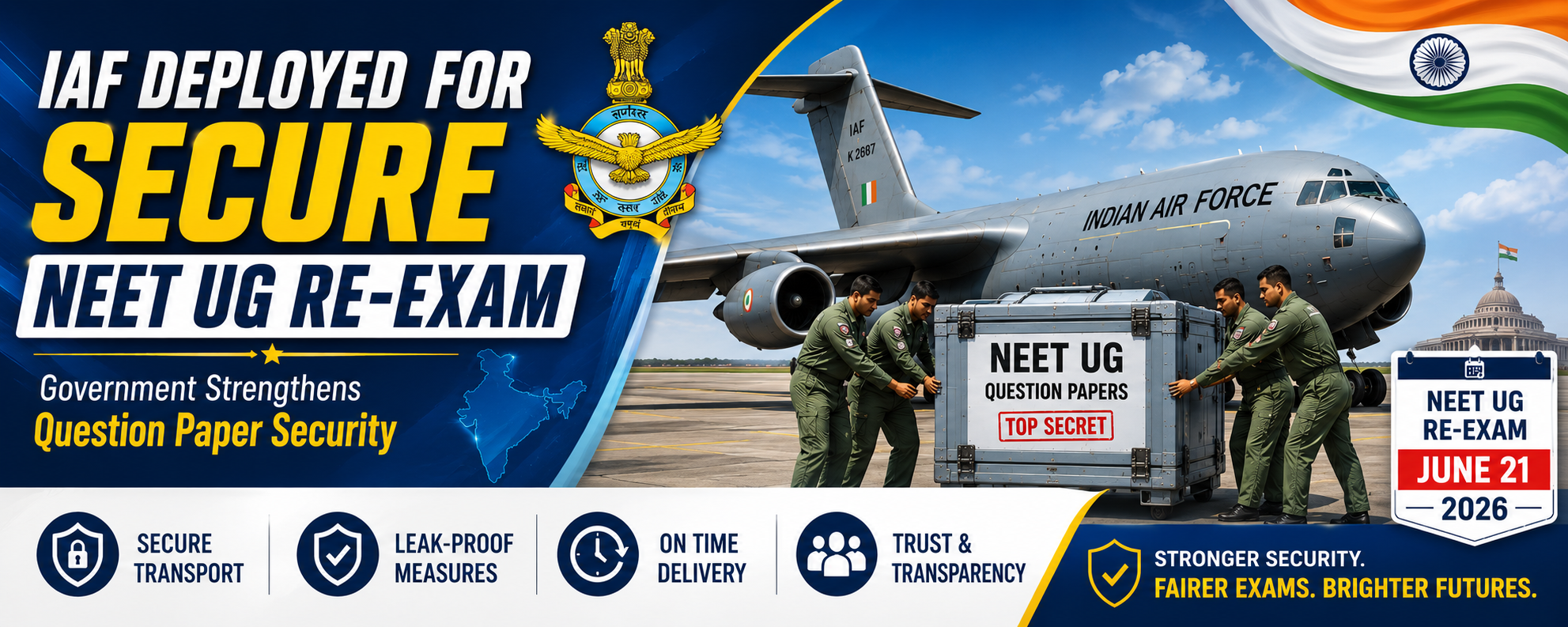
Union Education Minister Dharmendra Pradhan has written to all States and Union Territories, asking them to ensure proper transport facilities and essential amenities for students appearing in the NEET UG 2026 re-examination on June 21.

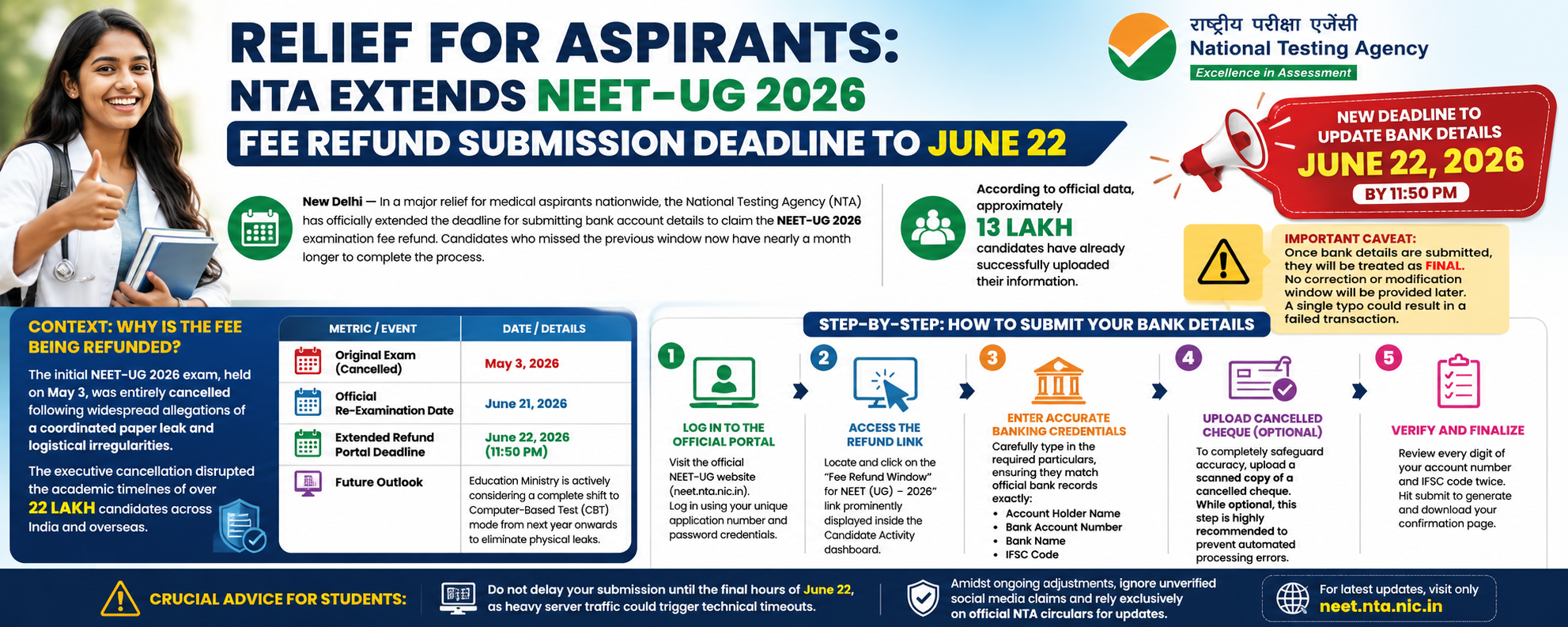
More than 22 lakh aspirants are expected to appear for the re-test. The earlier NEET UG exam held on May 3 was cancelled after allegations of paper leak and irregularities.

In view of the ongoing heatwave conditions, the Minister has requested State governments, district authorities and institutions hosting exam centres to make proper arrangements for candidates.

The suggested facilities include safe drinking water, proper seating arrangements, working fans or coolers, clean washrooms, shaded waiting areas, uninterrupted electricity supply and portable toilets wherever needed.

The Minister also stressed that the well-being of students must be given top priority. He asked States to ensure adequate transport support so that candidates can reach examination centres without difficulty.

Apart from student comfort, the Ministry has also asked States to cooperate for the smooth, secure, transparent and fair conduct of the re-examination.

Students Should Keep in Mind

Students should reach the exam centre early, carry required documents, drink enough water, avoid panic and follow only official instructions issued by NTA.

The NEET UG re-exam is already a stressful situation for many aspirants. Proper arrangements at exam centres can help reduce anxiety and allow students to focus on their performance.

Final Word

The June 21 re-exam is important for lakhs of medical aspirants. At this stage, students need safety, clarity and support from the system.

Fair exam, safe centres and student-friendly arrangements must be the top priority