ಪರೀಕ್ಷಾ ಪ್ರಾಮಾಣಿಕತೆ ಕಾಪಾಡಿ, ವಿದ್ಯಾರ್ಥಿಗಳಿಗೆ ಆದ್ಯತೆ ನೀಡಿ: NEET-UG ಮರುಪರೀಕ್ಷೆಗೆ ಧರ್ಮೇಂದ್ರ ಪ್ರಧಾನ್ ಮಹತ್ವದ ಸೂಚನೆ

ಪರೀಕ್ಷೆ

ನವದೆಹಲಿ: ರಾಷ್ಟ್ರೀಯ ಮಟ್ಟದ ಸ್ಪರ್ಧಾತ್ಮಕ ಪರೀಕ್ಷೆಗಳ ವ್ಯವಸ್ಥೆಯಲ್ಲಿ ಭದ್ರತೆ ಹಾಗೂ ವಿದ್ಯಾರ್ಥಿ ಸ್ನೇಹಿ ವಾತಾವರಣ ಎರಡಕ್ಕೂ ಸಮಾನ ಆದ್ಯತೆ ನೀಡಬೇಕೆಂದು ಕೇಂದ್ರ ಶಿಕ್ಷಣ ಸಚಿವ ಶ್ರೀ ಧರ್ಮೇಂದ್ರ ಪ್ರಧಾನ್ ಮಹತ್ವದ ಸೂಚನೆ ನೀಡಿದ್ದಾರೆ.

ಪರೀಕ್ಷೆಗಳ ಭದ್ರತೆ ಮತ್ತು ಪಾವಿತ್ರ್ಯ ಯಾವುದೇ ಕಾರಣಕ್ಕೂ ಹಾನಿಯಾಗಬಾರದು ಎಂದು ಅವರು ಸ್ಪಷ್ಟಪಡಿಸಿದರೂ, ಅದೇ ಸಮಯದಲ್ಲಿ ಪರೀಕ್ಷಾ ಕೇಂದ್ರಗಳಲ್ಲಿ ವಿದ್ಯಾರ್ಥಿಗಳಿಗೆ ಅನುಕೂಲಕರ, ಸುರಕ್ಷಿತ ಮತ್ತು ಒತ್ತಡರಹಿತ ವಾತಾವರಣ ನಿರ್ಮಾಣ ಮಾಡುವ ಅಗತ್ಯವನ್ನೂ ಅವರು ಒತ್ತಿ ಹೇಳಿದರು.

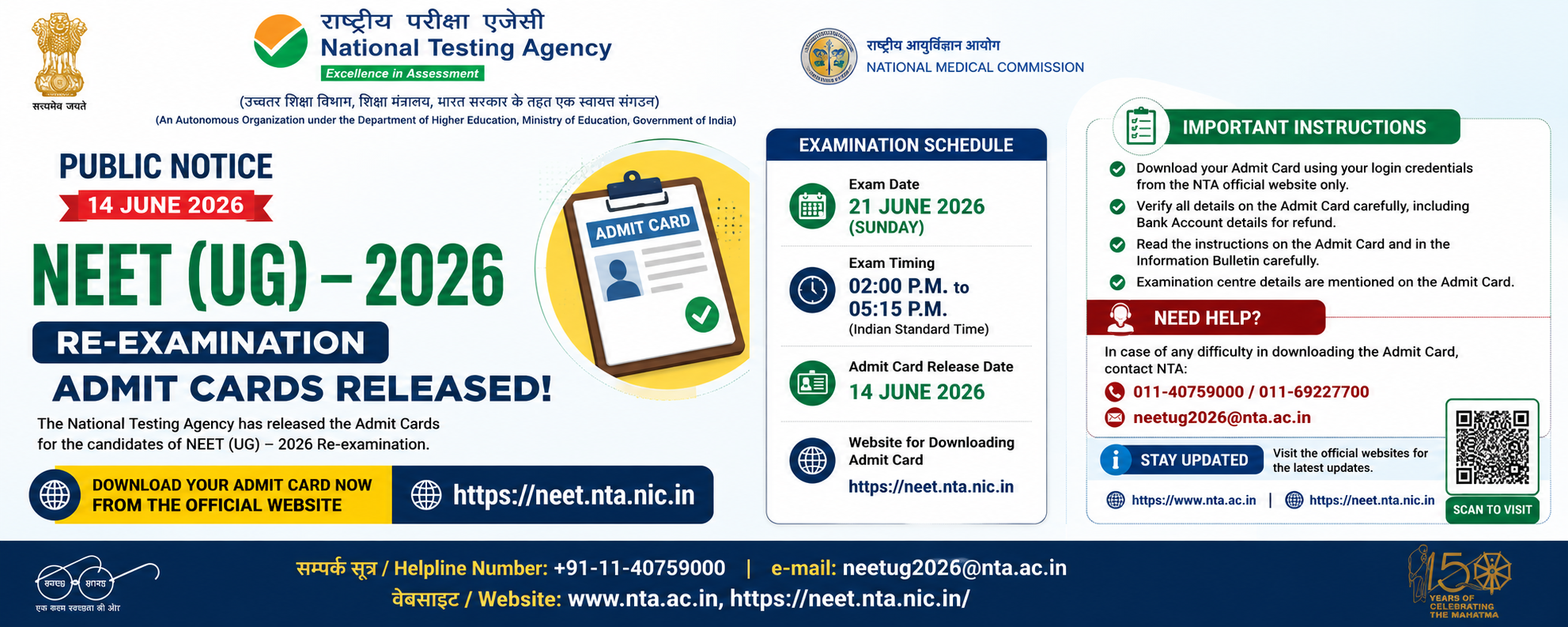
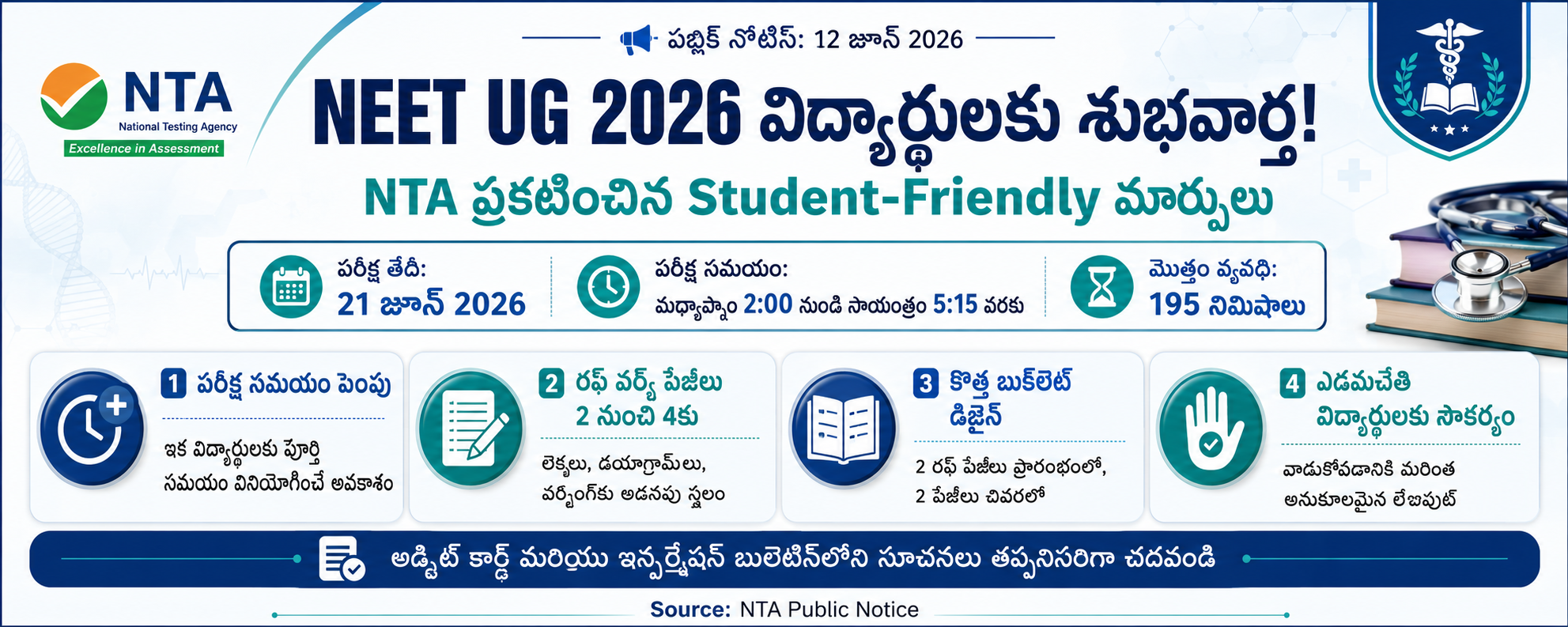
ಈ ಸೂಚನೆ, ದೇಶದ ಅತಿದೊಡ್ಡ ಶಿಕ್ಷಣ ಸಂಬಂಧಿತ ಕಾರ್ಯಾಚರಣೆಗಳಲ್ಲಿ ಒಂದಾದ NEET-UG ಮರುಪರೀಕ್ಷೆಗೆ ಸಿದ್ಧತೆಗಳು ನಡೆಯುತ್ತಿರುವ ಸಂದರ್ಭದಲ್ಲಿ ಹೊರಬಿದ್ದಿದೆ. ರಾಷ್ಟ್ರೀಯ ಪರೀಕ್ಷಾ ಏಜೆನ್ಸಿ (NTA) ಜೂನ್ 21, 2026ರಂದು ದೇಶದಾದ್ಯಂತ 550 ನಗರಗಳಲ್ಲಿನ 5,400ಕ್ಕೂ ಹೆಚ್ಚು ಪರೀಕ್ಷಾ ಕೇಂದ್ರಗಳಲ್ಲಿ ಮರುಪರೀಕ್ಷೆ ನಡೆಸಲು ಸಿದ್ಧತೆ ನಡೆಸುತ್ತಿದೆ.

ಭದ್ರತೆ ಜೊತೆಗೆ ವಿದ್ಯಾರ್ಥಿ ಕಲ್ಯಾಣಕ್ಕೂ ಒತ್ತು

ಇತ್ತೀಚಿನ ಉನ್ನತ ಮಟ್ಟದ ಸಭೆಗಳಲ್ಲಿ ಕೇವಲ ಅಕ್ರಮಗಳನ್ನು ತಡೆಯುವತ್ತ ಮಾತ್ರವಲ್ಲದೆ, ಪರೀಕ್ಷೆಗೆ ಹಾಜರಾಗುವ ಲಕ್ಷಾಂತರ ವಿದ್ಯಾರ್ಥಿಗಳ ಮಾನಸಿಕ ಮತ್ತು ದೈಹಿಕ ಆರೈಕೆಯ ಮೇಲೂ ವಿಶೇಷ ಗಮನ ಹರಿಸಲಾಗಿದೆ.

“ಪರೀಕ್ಷೆಯ ಭದ್ರತೆ ಮತ್ತು ಪಾವಿತ್ರ್ಯಕ್ಕೆ ಯಾವುದೇ ರೀತಿಯ ಧಕ್ಕೆಯಾಗಬಾರದು. ಆದರೆ ಅದರಿಂದ ವಿದ್ಯಾರ್ಥಿಗಳಿಗೆ ಅನಗತ್ಯ ಒತ್ತಡ ಉಂಟಾಗಬಾರದು. ಒತ್ತಡದ ವಾತಾವರಣ ವಿದ್ಯಾರ್ಥಿಗಳ ಸಾಧನೆಗೆ ಪರಿಣಾಮ ಬೀರುತ್ತದೆ. ಪ್ರತಿಯೊಂದು ಪರೀಕ್ಷಾ ಕೇಂದ್ರವೂ ಸುರಕ್ಷಿತ, ಸುವ್ಯವಸ್ಥಿತ ಮತ್ತು ವಿದ್ಯಾರ್ಥಿ ಸ್ನೇಹಿಯಾಗಿರಬೇಕು.”

— ಶಿಕ್ಷಣ ಸಚಿವಾಲಯದ ಮುಖ್ಯ ಸಂದೇಶ

ಜೂನ್ 21ರ ಮರುಪರೀಕ್ಷೆಗೆ ಪ್ರಮುಖ ಸೂಚನೆಗಳು

ವಿದ್ಯಾರ್ಥಿ ಸ್ನೇಹಿ ಹಾಗೂ ಭದ್ರತಾ ದೃಷ್ಟಿಯಿಂದ ದೇಶದಾದ್ಯಂತ ಇರುವ 5,400ಕ್ಕೂ ಹೆಚ್ಚು ಪರೀಕ್ಷಾ ಕೇಂದ್ರಗಳಿಗೆ ಕೇಂದ್ರ ಸರ್ಕಾರ ಹಾಗೂ NTA ಕೆಲವು ಮಹತ್ವದ ಮಾರ್ಗಸೂಚಿಗಳನ್ನು ನೀಡಿವೆ:

  • ಕಟ್ಟುನಿಟ್ಟಿನ ಭದ್ರತಾ ವ್ಯವಸ್ಥೆ: ಬಯೋಮೆಟ್ರಿಕ್ ಪರಿಶೀಲನೆ, ನಿರಂತರ CCTV ನಿಗಾವ್ಯವಸ್ಥೆ ಹಾಗೂ ಕಠಿಣ ಪ್ರವೇಶ ನಿಯಮಗಳನ್ನು ಜಾರಿಗೆ ತರಲಾಗುತ್ತದೆ.
  • ಬೇಸಿಗೆ ತಾಪಮಾನದಿಂದ ರಕ್ಷಣೆ: ವಿದ್ಯಾರ್ಥಿಗಳು ಮತ್ತು ಪೋಷಕರಿಗಾಗಿ ಕುಡಿಯುವ ನೀರು, ಕಾರ್ಯನಿರ್ವಹಿಸುವ ಫ್ಯಾನ್/ಕೂಲರ್ ವ್ಯವಸ್ಥೆ ಹಾಗೂ ನೆರಳು ಪ್ರದೇಶಗಳನ್ನು ಕಡ್ಡಾಯಗೊಳಿಸಲಾಗಿದೆ.
  • ಸುಗಮ ಪ್ರವೇಶ ವ್ಯವಸ್ಥೆ: ಉದ್ದ ಸಾಲುಗಳು ಹಾಗೂ ಆತಂಕ ತಪ್ಪಿಸಲು ಹಂತ ಹಂತವಾಗಿ ವರದಿ ಸಮಯ ನಿಗದಿ ಮತ್ತು ಹೆಚ್ಚುವರಿ ತಪಾಸಣಾ ಕೌಂಟರ್‌ಗಳನ್ನು ವ್ಯವಸ್ಥೆ ಮಾಡಲಾಗುತ್ತದೆ.
  • ವೈದ್ಯಕೀಯ ಸಿದ್ಧತೆ: ಪ್ರತಿಯೊಂದು ಕೇಂದ್ರದಲ್ಲೂ ಪ್ರಾಥಮಿಕ ಚಿಕಿತ್ಸೆ ಕಿಟ್ ಹಾಗೂ ಆರೋಗ್ಯ ತುರ್ತು ಪರಿಸ್ಥಿತಿಗಳನ್ನು ನಿರ್ವಹಿಸಲು ವೈದ್ಯಕೀಯ ಸಿಬ್ಬಂದಿಯನ್ನು ನಿಯೋಜಿಸಲಾಗುತ್ತದೆ.

ಮರುಪರೀಕ್ಷೆಯ ಪ್ರಮುಖ ಅಂಶಗಳು

ವಿವರಮಾಹಿತಿ
ಪರೀಕ್ಷೆಯ ದಿನಾಂಕಜೂನ್ 21, 2026
ಪರೀಕ್ಷಾ ಕೇಂದ್ರಗಳು5,400+
ವ್ಯಾಪ್ತಿದೇಶದ 550 ನಗರಗಳು
ಪ್ರಮುಖ ಉದ್ದೇಶಭದ್ರತೆ ಮತ್ತು ವಿದ್ಯಾರ್ಥಿ ಸ್ನೇಹಿ ವ್ಯವಸ್ಥೆಯೊಂದಿಗೆ ದೋಷರಹಿತ ಪರೀಕ್ಷೆ

ವಿಶ್ವಾಸ ಪುನಃ ಸ್ಥಾಪಿಸುವತ್ತ ಸರ್ಕಾರದ ಹೆಜ್ಜೆ

“ವಿದ್ಯಾರ್ಥಿ ಸ್ನೇಹಿ ಪರೀಕ್ಷಾ ವಾತಾವರಣ” ನಿರ್ಮಾಣ ಮಾಡುವ ಸರ್ಕಾರದ ನಿರ್ಧಾರವನ್ನು ಶಿಕ್ಷಣ ತಜ್ಞರು ಹಾಗೂ ಪೋಷಕರು ಸ್ವಾಗತಿಸಿದ್ದಾರೆ. NEET-UG ಪರೀಕ್ಷೆಗೆ ಸಂಬಂಧಿಸಿದ ಒತ್ತಡ ಮತ್ತು ಆತಂಕವನ್ನು ಕಡಿಮೆ ಮಾಡುವತ್ತ ಇದು ಅಗತ್ಯವಾದ ಹೆಜ್ಜೆಯಾಗಿದೆ ಎಂದು ಅಭಿಪ್ರಾಯ ವ್ಯಕ್ತವಾಗಿದೆ.

ಜೂನ್ 21ರ ಪರೀಕ್ಷೆಗೆ ಇನ್ನೂ ಕೆಲವೇ ವಾರಗಳು ಬಾಕಿ ಇರುವ ಹಿನ್ನೆಲೆಯಲ್ಲಿ, ದೇಶದ ಎಲ್ಲಾ 550 ನಗರಗಳ ಸ್ಥಳೀಯ ಆಡಳಿತಗಳಿಗೆ ತಕ್ಷಣದಿಂದಲೇ ಮಾಕ್ ಡ್ರಿಲ್‌ಗಳು ಹಾಗೂ ಮೂಲಸೌಕರ್ಯ ಪರಿಶೀಲನೆ ನಡೆಸುವಂತೆ ಸೂಚಿಸಲಾಗಿದೆ.

Safeguarding Integrity, Prioritizing Students: Dharmendra Pradhan Sets Expectations for Upcoming NEET-UG Re-Exam

Exam

New Delhi — In a definitive push for balanced examination reforms, Union Minister of Education Shri Dharmendra Pradhan has underscored a dual mandate for the upcoming national competitive exams: uncompromising security and absolute empathy for the candidates.

While emphasizing that examination security remains of paramount importance, Shri Pradhan stressed that equal priority must be given to ensuring adequate facilities and a student-friendly environment at examination centres across the country.

The directive comes at a critical juncture as the National Testing Agency (NTA) gears up for one of the largest academic exercises of the year. The NEET-UG Re-examination is scheduled to be held on 21st June, 2026, at over 5,400 Examination Centres in 550 cities across the country.

The Dual Mandate: Security Meets Student Comfort

The Minister’s statement reflects a holistic approach to large-scale testing. In recent high-level briefing meetings, the focus has shifted from merely preventing malpractice to actively safeguarding the physical and mental well-being of the lakhs of students appearing for the high-stakes medical entrance exam.

“Security and sanctity of the examination cannot be compromised, but it should not come at the cost of student distress. A stressful environment impacts performance. Every centre must feel welcoming, safe, and organized.”

Key takeaway from the Ministry’s directive.

Key Directives for the June 21st Re-Exam

To translate this vision into reality, the Ministry of Education, in coordination with local authorities and the NTA, has outlined specific areas of focus for the 5,400+ centres:

  • Robust Security Infrastructure: Implementation of advanced biometric verification, continuous CCTV surveillance, and strict entry protocols to eliminate any possibility of leaks or impersonation.
  • Beating the Heat: Given the late June timeline, centres are strictly instructed to provide adequate drinking water, functional cooling facilities (fans/coolers), and shaded waiting areas for parents and candidates.
  • Streamlined Entry Processes: To prevent long queues and anxiety, staggered reporting times and increased frisking counters will be deployed.
  • Medical Contingency Plans: Every centre will be required to have basic medical kits and a designated healthcare professional on standby to handle any heat- or stress-related emergencies.

Scale of the Operation at a Glance

The logistics for the June 21st re-examination are massive, requiring seamless coordination between central and state machinery.

MetricDetails
Exam DateJune 21, 2026
Total Examination Centres5,400+
Geographic Spread550 Cities pan-India
Primary ObjectiveFlawless execution with zero-compromise security and enhanced student comfort

A Step Toward Restoring Confidence

The decision to ensure a “student-friendly environment” is being viewed by educators and parents as a necessary step to reduce the intense pressure associated with NEET-UG. By demanding that local administrators treat candidates with empathy while maintaining airtight vigilance, the government aims to restore absolute confidence in the national testing ecosystem.

With just weeks left before the June 21st date, local administrations in all 550 cities have been instructed to conduct mock drills and audit their infrastructure immediately to comply with the Minister’s mandate.

Decoding the New MCC Mandate for NRI Quota in NEET UG/PG Counselling 2026–2027

NEW DELHI — The Medical Counselling Committee (MCC), under the Directorate General of Health Services (DGHS), has issued an important notice dated May 27, 2026, for candidates seeking admission under the Non-Resident Indian (NRI) quota. The notice is specifically directed at candidates who claim NRI/OCI status or wish to convert their nationality from Indian to NRI for the upcoming UG and PG medical counselling for the academic year 2026–2027.

The MCC has strictly outlined the eligibility criteria based on the landmark Supreme Court of India ruling in W.P No. 13393 of 2007 (Anshul Tomar vs. State of M.P) to streamline the verification process and ensure only genuine candidates benefit from the reserved seats.

Public Notice for eligibility of NRI candidature for Academic Year 2026-27

Key Eligibility Criteria for NRI Quota

According to the official notification, a candidate can claim NRI status under one of the following verified conditions set by the Hon’ble Supreme Court:

  • Parents’ Status: The mother or father of the student must be an NRI and ordinarily residing abroad. PDF
  • First-Degree Relations: If the parents are not NRIs, first-degree relations—which strictly include real brothers and sisters residing abroad—are considered eligible sponsors. PDF
  • Nearest Blood Relations as Guardians (Ward/Palya): If a candidate is being sponsored by a broader family member acting as a guardian, the definition is strictly restricted to the following nearest blood relations who must be NRIs ordinarily residing abroad: PDF
    • Real paternal uncle and aunt (father’s real brother and sister).
    • Real maternal uncle and aunt (mother’s real brother and sister).
    • Paternal grandfather and grandmother.
    • Maternal grandfather and grandmother.
    • First-degree paternal and maternal cousins.

Mandatory Legal Proof and Guardianship Act Compliance

The MCC has introduced a stringent verification measure for candidates falling under the third category (sponsored by a relative guardian).

Important Note: Aspirants for the academic year 2026 must produce legal, evidential proof during counselling demonstrating that the sponsor is the Bonafide legal guardian of the candidate as per the Guardians and Wards Act, 1890. Additionally, an explicit affidavit stating these facts must be submitted.

Candidates failing to adhere to these criteria or those unable to produce the required legal documentation will not be permitted to participate in the counselling process under the NRI candidature.

PDF

Summary of Requirements for Candidates

RequirementDetails
Target AudienceNEET UG/PG 2026–27 aspirants claiming NRI/OCI status or seeking nationality conversion.
SponsorshipMust be by parents, real siblings, or predefined nearest blood relatives.
Mandatory DocumentsEvidential proof of guardianship under the Guardians and Wards Act, 1890, and a supporting affidavit.
Official ContactCandidates may reach out via email at adgme@nic.in for further queries.

All medical aspirants planning to apply under the NRI quota are advised to keep their legal documents and affidavits ready well in advance of the counselling dates.

मेडिकल प्रवेश व्यवस्था में सुधार की जरूरत: परीक्षा से काउंसलिंग तक जवाबदेही जरूरी

भारत की मेडिकल प्रवेश व्यवस्था आज एक गंभीर मोड़ पर खड़ी है। NEET परीक्षा से लेकर काउंसलिंग, सीट मैट्रिक्स, allotment, NRI दस्तावेज, पोर्टल व्यवस्था और राज्य स्तरीय प्रवेश प्रक्रिया तक, कई जगहों पर ऐसी समस्याएं बार-बार सामने आती हैं जिनसे छात्रों और अभिभावकों का भरोसा कमजोर होता है।

यह मुद्दा केवल किसी एक संस्था या किसी एक परीक्षा तक सीमित नहीं है। समस्या व्यापक है। परीक्षा कराने वाली एजेंसियों से लेकर काउंसलिंग संचालित करने वाली समितियों और मेडिकल शिक्षा से जुड़े नियामक तंत्र तक, कई स्तरों पर खाली पद, स्टाफ की कमी, अनुभव की कमी और कमजोर समन्वय जैसी चुनौतियां दिखाई देती हैं।

छात्रों का भविष्य प्रशासनिक कमजोरी पर निर्भर नहीं होना चाहिए

मेडिकल प्रवेश कोई सामान्य प्रक्रिया नहीं है। यह लाखों छात्रों के करियर, परिवारों की आर्थिक क्षमता और देश के स्वास्थ्य भविष्य से जुड़ा विषय है।

एक छात्र कई वर्षों तक तैयारी करता है। माता-पिता अपनी बचत लगाते हैं। कुछ छात्र हॉस्टल, कोचिंग, यात्रा और मानसिक दबाव का सामना करते हैं। ऐसे में अगर परीक्षा, result, seat matrix, counselling portal या allotment में बार-बार confusion आता है, तो सबसे ज्यादा नुकसान ईमानदार छात्रों को होता है।

छात्रों का भविष्य किसी विभागीय कमी, कमजोर staffing या coordination failure की वजह से प्रभावित नहीं होना चाहिए।

परीक्षा से काउंसलिंग तक मजबूत मानव संसाधन जरूरी

NTA, NBE, MCC, NMC से जुड़े तंत्र, राज्य काउंसलिंग प्राधिकरण और मेडिकल विश्वविद्यालय — सभी पर आज workload बहुत अधिक बढ़ चुका है। मेडिकल कॉलेजों की संख्या बढ़ी है, deemed universities बढ़ी हैं, private colleges बढ़े हैं, NRI/management/minority/quota rules जटिल हुए हैं और छात्रों की संख्या भी बहुत अधिक हो चुकी है।

ऐसे में पुराने ढांचे और सीमित स्टाफ के भरोसे इतनी बड़ी व्यवस्था चलाना व्यावहारिक नहीं है।

जब संस्थाओं में पर्याप्त trained staff नहीं होते, तो समस्याएं बढ़ती हैं:

सीट मैट्रिक्स में देरी
पोर्टल में तकनीकी भ्रम
NRI दस्तावेजों पर अस्पष्ट जवाब
reservation roster में confusion
allotment पर विवाद
students’ grievances का सही समाधान न होना
राज्य और केंद्र के बीच coordination gap
काउंसलिंग schedule में बार-बार बदलाव

इन समस्याओं को केवल “technical issue” कहकर नहीं टाला जा सकता। यह governance और accountability का मामला है।

दिल्ली में संस्थाएं, लेकिन समन्वय कमजोर

देश की कई केंद्रीय मेडिकल शिक्षा और परीक्षा-संबंधित संस्थाएं दिल्ली से संचालित होती हैं। फिर भी कई बार ऐसा लगता है कि परीक्षा एजेंसी, काउंसलिंग समिति, नियामक निकाय और मंत्रालयों के बीच real-time coordination मजबूत नहीं है।

कभी new college approval देर से आता है।
कभी seat matrix late update होती है।
कभी counselling dates और court matters overlap करते हैं।
कभी states और MCC schedules में practical conflict दिखाई देता है।
कभी students को clear जवाब नहीं मिलता।

जब संस्थाएं एक ही राष्ट्रीय उद्देश्य के लिए काम कर रही हैं, तो उन्हें अलग-अलग island की तरह नहीं चलना चाहिए। एक integrated command system, clear responsibility chart और public communication mechanism जरूरी है।

नियुक्तियां योग्यता और अनुभव के आधार पर होनी चाहिए

भारत में योग्य लोगों की कमी नहीं है। हमारे देश में अनुभवी doctors, administrators, IT experts, legal experts, medical education consultants, policy professionals और sincere officers मौजूद हैं।

फिर सवाल उठता है: महत्वपूर्ण पद लंबे समय तक खाली क्यों रहते हैं?
क्यों कई जगह temporary या outsourced arrangements पर निर्भरता बनी रहती है?
क्यों experienced professionals को structured तरीके से शामिल नहीं किया जाता?

सरकार को यह सुनिश्चित करना चाहिए कि सभी महत्वपूर्ण पद पारदर्शी, merit-based और time-bound process के माध्यम से भरे जाएं।

यह धारणा नहीं बननी चाहिए कि नियुक्तियां केवल lobbying, personal approach या internal convenience के आधार पर होती हैं। ऐसी धारणा भी संस्थाओं की विश्वसनीयता को नुकसान पहुंचाती है।

ईमानदार और अनुभवी लोगों को सिस्टम में जगह मिलनी चाहिए

कई बार सक्षम लोग इसलिए सिस्टम में नहीं आते क्योंकि उन्हें लगता है कि merit से ज्यादा networking काम करती है। कुछ लोग इसलिए दूर रहते हैं क्योंकि वे किसी lobby या pressure system का हिस्सा नहीं बनना चाहते।

अगर देश को सच में शिक्षा और परीक्षा व्यवस्था सुधारनी है, तो ऐसे professionals को सम्मानपूर्वक invite करना होगा, उनकी expertise का उपयोग करना होगा और उन्हें decision-making में वास्तविक भूमिका देनी होगी।

ईमानदार अधिकारियों और knowledgeable professionals को केवल सलाहकार बनाकर नहीं, बल्कि जिम्मेदार भूमिका देकर system strengthen करना होगा।

पेपर लीक केवल एक लक्षण है, बीमारी गहरी है

पेपर लीक या परीक्षा विवाद केवल सतह पर दिखने वाली समस्या है। असली बीमारी गहरी है:

कमजोर protocol
मानव संसाधन की कमी
technology पर अधूरा control
outsourcing पर अत्यधिक निर्भरता
जवाबदेही की कमी
slow grievance redressal
institutions के बीच poor coordination
policy और ground implementation में gap

अगर इन मूल कारणों पर काम नहीं किया गया, तो केवल एक परीक्षा सुधारने से समस्या खत्म नहीं होगी।

राज्य काउंसलिंग में भी सुधार जरूरी

कई state counselling authorities हर साल विवादों में रहती हैं। कहीं seat matrix issue आता है, कहीं category eligibility clarity नहीं होती, कहीं NRI documents को लेकर confusion होता है, कहीं minority quota या roster point पर सवाल उठते हैं।

राज्य काउंसलिंग committees को भी trained manpower, legal cell, IT support, admission experts और grievance desk की जरूरत है।

एक state counselling authority को केवल notice upload करने वाली agency की तरह नहीं, बल्कि student-support system की तरह काम करना चाहिए।

केंद्र सरकार को गंभीरता से सुधार करना होगा

यह विषय केवल किसी agency की आलोचना का नहीं है। यह national interest का मुद्दा है।

भारत विकसित देश बनने की दिशा में आगे बढ़ना चाहता है। लेकिन अगर देश के सबसे मेहनती students — doctors, engineers, researchers और healthcare professionals बनने वाले युवा — कमजोर administrative systems के बीच संघर्ष करेंगे, तो भविष्य की गुणवत्ता प्रभावित होगी।

केंद्र सरकार को चाहिए कि वह medical admission ecosystem का complete administrative audit करे।

इसमें शामिल होना चाहिए:

NTA, NBE, MCC, NMC और state counselling bodies का manpower audit
खाली पदों की सूची और समयबद्ध भर्ती
exam और counselling protocols का review
seat matrix publication की fixed timeline
allotment process की independent audit
NRI/minority/category rules पर uniform clarity
state और central agencies के बीच coordination cell
student grievance redressal portal with tracking number
official reply की accountability
technical failure पर responsibility fixing

कानूनी और संवैधानिक दृष्टि से भी जरूरी

मेडिकल admission system Article 14 और Article 21 से जुड़े fairness, equality और career opportunity के सवालों को प्रभावित करता है। जब छात्र समान परीक्षा और समान काउंसलिंग प्रक्रिया में भाग लेते हैं, तो व्यवस्था पारदर्शी, गैर-भेदभावपूर्ण और जवाबदेह होनी चाहिए।

अगर सीटें खाली रह जाती हैं, seat matrix देर से आती है, rules अस्पष्ट रहते हैं या students को सही समय पर सही information नहीं मिलती, तो यह केवल administrative lapse नहीं बल्कि students’ legitimate expectation का भी सवाल बन जाता है।

इसलिए सुधार केवल policy choice नहीं, बल्कि public duty है।

निष्कर्ष

भारत की मेडिकल प्रवेश व्यवस्था को अब cosmetic सुधार नहीं, बल्कि गहरे structural reform की जरूरत है।

पेपर लीक, सीट मैट्रिक्स विवाद, NRI document confusion, portal issues, counselling delays और allotment controversies — ये सभी संकेत हैं कि सिस्टम पर workload बढ़ चुका है और पुराना ढांचा पर्याप्त नहीं है।

सरकार को तुरंत योग्य लोगों की नियुक्ति, मजबूत staffing, बेहतर technology, legal clarity और institutional coordination पर काम करना चाहिए।

भारत में प्रतिभा की कमी नहीं है। कमी है सही लोगों को सही जिम्मेदारी देने की।

छात्रों ने मेहनत में कमी नहीं की है। अब सिस्टम को ईमानदारी, दक्षता और जवाबदेही दिखानी होगी। देश का भविष्य कमजोर प्रशासनिक ढांचे के भरोसे नहीं छोड़ा जा सकता

Reform the Exam System, Don’t Scrap NTA

The NEET-UG 2026 paper leak controversy has once again shaken the confidence of students and parents across India. For lakhs of families, NEET is not just an entrance exam. It is years of sacrifice, coaching fees, hostel life, sleepless nights, emotional pressure and one dream — to become a doctor.

When such an exam is cancelled due to paper leak allegations, the pain is not only academic. It is emotional, financial and psychological. Students who prepared honestly feel punished for no mistake of theirs. Parents feel helpless. The system loses trust.

But at this point, the question should not only be whether NTA should be scrapped. The bigger question is: How do we reform the examination system so deeply that students never face this trauma again?

NTA Handles a Huge Examination Ecosystem

The National Testing Agency does not conduct only one exam. It manages several major national-level examinations, including NEET-UG, JEE Main, CUET, UGC-NET and other specialised tests for ministries, regulators and institutions.

This means NTA handles lakhs and even crores of test events every year across multiple languages, thousands of centres, rural and urban regions, and different academic streams.

Such a large testing ecosystem cannot be run casually. It requires permanent leadership, trained manpower, strong technology, clear protocols, real-time monitoring and strict accountability.

NEET-UG 2026 Exposed the Weakest Link

NEET-UG is still conducted in pen-and-paper mode. At this scale, a physical paper system becomes highly vulnerable.

The question paper has to be prepared, translated, printed, packed, stored, transported, opened and distributed at thousands of centres. Every physical step becomes a possible weak point.

For honest students, even one weak link can destroy months of preparation.

This is why reform is urgent. The system cannot depend only on trust. It must be protected by technology, law, accountability and professional management.

CBT Can Reduce Some Risks

Computer-Based Tests are not risk-free, but they reduce many dangers linked to physical paper movement.

In CBT mode, question papers can be delivered through encrypted systems. Access can be controlled. Sessions can be monitored digitally. Audit trails can be maintained. If a problem happens in one centre or one shift, that session can be isolated and corrected without cancelling the entire examination for lakhs of students.

This is one reason why NEET-UG should gradually move towards a secure CBT or hybrid model, with proper infrastructure and support for rural students.

But CBT alone is not enough. Technology must come with honest governance.

The Real Problem Is Weak Structure and Accountability

The NEET crisis is not only about a paper leak. It also exposes deeper administrative problems.

If an agency is conducting exams for more than one crore test events in a year, it cannot run with vacant posts, temporary arrangements, outsourced dependency and unclear responsibility.

Reports of senior vacancies and lack of permanent manpower inside NTA raise serious concerns. A national testing body must have competent people in technology, cybersecurity, logistics, examination law, data management, audit, finance and grievance redressal.

Appointments should not be influenced by lobbying or convenience. They must be based on proven experience, integrity and capability.

India has enough talented professionals. The problem is not lack of people. The problem is lack of transparent selection and serious institutional planning.

Reform Should Be Serious, Not Cosmetic

After every controversy, committees are formed, reports are written and promises are made. But students need more than statements.

India needs real reform:

Clear responsibility at every level
Permanent and qualified manpower
Strict exam security protocols
Digital tracking of question paper movement
Encrypted paper transmission systems
Biometric and face authentication
AI-based anomaly detection
Independent audit of exam processes
Strong cybercrime coordination
Faster grievance redressal
Public accountability after every failure

The Radhakrishnan Committee recommendations should not remain on paper. They must be implemented with deadlines, monitoring and public reporting.

Do Not Punish Honest Students Again and Again

The worst part of any paper leak is that honest students suffer the most.

A student may have travelled hundreds of kilometres. A family may have spent money on coaching, rent, food, exam travel and emotional support. Many students are repeaters who have already given one or two years of their life to this exam.

When the system fails, their pain cannot be dismissed as a technical issue.

Students need assurance that their hard work matters more than money, contacts or manipulation.

Reform NTA, Strengthen It, Make It Accountable

Scrapping an institution may sound attractive during anger, but the real need is to rebuild it with stronger legal and administrative foundations.

NTA should be made more accountable, more transparent and more professional. If needed, it should be given statutory backing through Parliament, with clear responsibility, audit power and public reporting.

The agency must not become a body that conducts exams but avoids accountability when things go wrong.

A national testing agency must be independent, competent and answerable.

Conclusion

The NEET-UG 2026 crisis is a painful reminder that India’s examination system needs urgent reform. But reform should be thoughtful, practical and student-centric.

The goal should not be only to blame NTA or defend NTA. The goal should be to build an examination system that students can trust.

India’s students deserve fair exams. Parents deserve peace of mind. Honest preparation deserves protection.

Reform the test. Strengthen the system. Fix accountability. Protect students.

NEET UG Re-Exam 2026: States Asked to Ensure Transport and Basic Facilities Amid Heatwave

Union Education Minister Dharmendra Pradhan has written to all States and Union Territories, asking them to ensure proper transport facilities and essential amenities for students appearing in the NEET UG 2026 re-examination on June 21.

More than 22 lakh aspirants are expected to appear for the re-test. The earlier NEET UG exam held on May 3 was cancelled after allegations of paper leak and irregularities.

In view of the ongoing heatwave conditions, the Minister has requested State governments, district authorities and institutions hosting exam centres to make proper arrangements for candidates.

The suggested facilities include safe drinking water, proper seating arrangements, working fans or coolers, clean washrooms, shaded waiting areas, uninterrupted electricity supply and portable toilets wherever needed.

The Minister also stressed that the well-being of students must be given top priority. He asked States to ensure adequate transport support so that candidates can reach examination centres without difficulty.

Apart from student comfort, the Ministry has also asked States to cooperate for the smooth, secure, transparent and fair conduct of the re-examination.

Students Should Keep in Mind

Students should reach the exam centre early, carry required documents, drink enough water, avoid panic and follow only official instructions issued by NTA.

The NEET UG re-exam is already a stressful situation for many aspirants. Proper arrangements at exam centres can help reduce anxiety and allow students to focus on their performance.

Final Word

The June 21 re-exam is important for lakhs of medical aspirants. At this stage, students need safety, clarity and support from the system.

Fair exam, safe centres and student-friendly arrangements must be the top priority

ಸಾಮಾಜಿಕ ಜಾಲತಾಣಗಳಲ್ಲಿ NEET-UG ತಪ್ಪು ಮಾಹಿತಿ ಜಾಲಗಳ ವಿರುದ್ಧ ಕ್ರಮಕ್ಕೆ ಕೇಂದ್ರ ಸರ್ಕಾರ ಸೂಚನೆ

NEET-UG ಮರುಪರೀಕ್ಷೆಯ ಸುತ್ತಲಿನ ಸೂಕ್ಷ್ಮ ಪರಿಸ್ಥಿತಿಯನ್ನು ಗಮನದಲ್ಲಿಟ್ಟುಕೊಂಡು, ಕೇಂದ್ರ ಸರ್ಕಾರವು ಪ್ರಮುಖ ಸಾಮಾಜಿಕ ಜಾಲತಾಣಗಳಿಗೆ ತಪ್ಪು ಮಾಹಿತಿ, ನಕಲಿ ಪ್ರಶ್ನೆಪತ್ರಿಕೆ ಸೋರಿಕೆ ದಾವೆಗಳು ಮತ್ತು ಪರಿಶೀಲಿಸದ ಪರೀಕ್ಷಾ ಸಂಬಂಧಿತ ವಿಷಯಗಳ ವಿರುದ್ಧ ಕಠಿಣ ಕ್ರಮ ಕೈಗೊಳ್ಳುವಂತೆ ಸೂಚಿಸಿದೆ.

ಈ ಕ್ರಮವು ಈಗಾಗಲೇ NEET-UG ಪರೀಕ್ಷೆ ರದ್ದುಗೊಂಡಿರುವುದು ಮತ್ತು ಮುಂಬರುವ ಮರುಪರೀಕ್ಷೆಯಿಂದ ಒತ್ತಡದಲ್ಲಿರುವ ಲಕ್ಷಾಂತರ ವಿದ್ಯಾರ್ಥಿಗಳು ಹಾಗೂ ಪೋಷಕರ ನಡುವೆ ಕೈಗೊಳ್ಳಲಾಗಿದೆ. ಇಂತಹ ಸಂದರ್ಭದಲ್ಲಿ ನಕಲಿ ಸಂದೇಶಗಳು, ಎಡಿಟ್ ಮಾಡಲಾದ ಸ್ಕ್ರೀನ್‌ಶಾಟ್‌ಗಳು, ಸುಳ್ಳು ಪ್ರಶ್ನೆಪತ್ರಿಕೆ ಸೋರಿಕೆ ಸುದ್ದಿಗಳು ಹಾಗೂ ಅನಾಮಧೇಯ Telegram ಪೋಸ್ಟ್‌ಗಳು ವಿದ್ಯಾರ್ಥಿಗಳಲ್ಲಿ ಅನಗತ್ಯ ಭಯ ಮತ್ತು ಮಾನಸಿಕ ಒತ್ತಡ ಉಂಟುಮಾಡಬಹುದು.

ಸರ್ಕಾರದಿಂದ ಸಾಮಾಜಿಕ ಜಾಲತಾಣಗಳ ಜೊತೆ ಸಭೆ

ವರದಿಗಳ ಪ್ರಕಾರ, ಶಿಕ್ಷಣ ಸಚಿವಾಲಯದ ಅಧಿಕಾರಿಗಳು Meta, Google ಮತ್ತು Telegram ಸೇರಿದಂತೆ ಪ್ರಮುಖ ಸಾಮಾಜಿಕ ಜಾಲತಾಣ ಪ್ರತಿನಿಧಿಗಳೊಂದಿಗೆ ಸಭೆ ನಡೆಸಿದ್ದಾರೆ.

ಈ ಸಭೆಯಲ್ಲಿ ಅನಾಮಧೇಯ ಗುಂಪುಗಳು ಮತ್ತು ಚಾನೆಲ್‌ಗಳನ್ನು ಬಳಸಿಕೊಂಡು ಸ್ಪರ್ಧಾತ್ಮಕ ಪರೀಕ್ಷೆಗಳ ಬಗ್ಗೆ ತಪ್ಪು ಮಾಹಿತಿ ಹಬ್ಬಿಸಲಾಗುತ್ತಿದೆ ಎಂಬ ಆತಂಕ ವ್ಯಕ್ತಪಡಿಸಲಾಗಿದೆ. ಇವುಗಳಲ್ಲಿ ನಕಲಿ ಪ್ರಶ್ನೆಪತ್ರಿಕೆ ಸೋರಿಕೆ ಸುದ್ದಿ, ಕ್ಲಿಕ್‌ಬೇಟ್ ಪೋಸ್ಟ್‌ಗಳು, ಪರಿಶೀಲಿಸದ “ಒಳಗಿನ ಮಾಹಿತಿ”, ಪರೀಕ್ಷಾ ಕೇಂದ್ರ, ಅಡ್ಮಿಟ್ ಕಾರ್ಡ್ ಅಥವಾ ಪ್ರಶ್ನೆಪತ್ರಿಕೆ ಕುರಿತ ವದಂತಿಗಳು ಸೇರಿವೆ.

ಈ ಕ್ರಮ ಏಕೆ ಮುಖ್ಯ?

NEET-UG ಭಾರತದಲ್ಲಿನ ಅತ್ಯಂತ ಪ್ರಮುಖ ಪ್ರವೇಶ ಪರೀಕ್ಷೆಗಳಲ್ಲಿ ಒಂದಾಗಿದೆ. ಅನೇಕ ಕುಟುಂಬಗಳಿಗೆ ಇದು ವರ್ಷಗಳ ತಯಾರಿ, ಆರ್ಥಿಕ ತ್ಯಾಗ ಮತ್ತು ಭಾವನಾತ್ಮಕ ಹೂಡಿಕೆಯನ್ನು ಪ್ರತಿನಿಧಿಸುತ್ತದೆ.

ಪರೀಕ್ಷೆಗೂ ಮುನ್ನ ತಪ್ಪು ಸುದ್ದಿಗಳು ಹರಡಿದಾಗ ವಿದ್ಯಾರ್ಥಿಗಳ ಮೇಲೆ ಹಲವು ರೀತಿಯ ಪರಿಣಾಮ ಬೀರುತ್ತವೆ:

  • ಭಯ ಮತ್ತು ಗೊಂದಲ ಉಂಟಾಗುತ್ತದೆ
  • ಓದಿನ ಮೇಲಿನ ಗಮನ ಕಡಿಮೆಯಾಗುತ್ತದೆ
  • ತಪ್ಪು ಮಾಹಿತಿಯನ್ನು ನಂಬುವ ಸಾಧ್ಯತೆ ಹೆಚ್ಚುತ್ತದೆ
  • ಪೋಷಕರಲ್ಲೂ ಅನಗತ್ಯ ಆತಂಕ ಸೃಷ್ಟಿಯಾಗುತ್ತದೆ

ಆದ್ದರಿಂದ ತಪ್ಪು ಮಾಹಿತಿಯನ್ನು ನಿಯಂತ್ರಿಸುವುದು ಕೇವಲ ತಂತ್ರಜ್ಞಾನ ಸಮಸ್ಯೆಯಲ್ಲ; ಇದು ವಿದ್ಯಾರ್ಥಿಗಳ ಕಲ್ಯಾಣದ ವಿಷಯವೂ ಆಗಿದೆ.

ನಕಲಿ ಪ್ರಶ್ನೆಪತ್ರಿಕೆ ಸೋರಿಕೆ ಸುದ್ದಿಗಳ ಮೇಲೆ ವಿಶೇಷ ಗಮನ

ಪರೀಕ್ಷೆಗೂ ಮುನ್ನ ಭಯ ಮತ್ತು ಗೊಂದಲ ಸೃಷ್ಟಿಸುವ ಜಾಲಗಳನ್ನು ಗುರುತಿಸಿ ತೆಗೆದುಹಾಕುವಂತೆ ಸರ್ಕಾರವು ಸಾಮಾಜಿಕ ಜಾಲತಾಣಗಳಿಗೆ ಸೂಚಿಸಿದೆ.

ಇವುಗಳಲ್ಲಿ ಸೇರಿವೆ:

  • ನಕಲಿ ಪ್ರಶ್ನೆಪತ್ರಿಕೆ ಸೋರಿಕೆ ಸುದ್ದಿಗಳು
  • ಪರಿಶೀಲಿಸದ PDF ಫೈಲ್‌ಗಳು
  • ಮೋಸದ Telegram ಗುಂಪುಗಳು
  • ಕ್ಲಿಕ್‌ಬೇಟ್ ಪರೀಕ್ಷಾ ಅಪ್‌ಡೇಟ್‌ಗಳು
  • ತಪ್ಪು ಸ್ಕ್ರೀನ್‌ಶಾಟ್‌ಗಳು
  • ಸುಳ್ಳು ಅಡ್ಮಿಟ್ ಕಾರ್ಡ್ ಅಥವಾ ಪರೀಕ್ಷಾ ಕೇಂದ್ರ ಮಾಹಿತಿ
  • ಆತಂಕದಲ್ಲಿರುವ ವಿದ್ಯಾರ್ಥಿಗಳನ್ನು ಗುರಿಯಾಗಿಸಿಕೊಂಡು ಹರಡುವ ಹಣ ಪಾವತಿ ವದಂತಿಗಳು

ವಿದ್ಯಾರ್ಥಿಗಳು ಮತ್ತು ಪೋಷಕರು ಎಚ್ಚರಿಕೆಯಿಂದ ಇರಬೇಕು

NEET-UG ಕುರಿತು ಯಾವುದೇ ಮಾಹಿತಿ ಪಡೆಯಲು ಅಧಿಕೃತ ಮೂಲಗಳನ್ನೇ ಬಳಸಬೇಕು. ಪರೀಕ್ಷಾ ದಿನಾಂಕ, ಅಡ್ಮಿಟ್ ಕಾರ್ಡ್, ಪರೀಕ್ಷಾ ನಗರ, ಪ್ರಶ್ನೆಪತ್ರಿಕೆ ಸೋರಿಕೆ, ಫಲಿತಾಂಶ ಅಥವಾ ಕೌನ್ಸೆಲಿಂಗ್ ಕುರಿತು ಮಾಹಿತಿ ಕೇವಲ ಅಧಿಕೃತ NTA ಅಥವಾ ಸರ್ಕಾರದ ಪ್ರಕಟಣೆಗಳಿಂದ ಮಾತ್ರ ಪರಿಶೀಲಿಸಬೇಕು.

ಈ ಕೆಳಗಿನವುಗಳನ್ನು ನಂಬಬೇಡಿ:

  • ಯಾದೃಚ್ಛಿಕ Telegram ಗುಂಪುಗಳು
  • WhatsApp ಫಾರ್ವರ್ಡ್ ಸಂದೇಶಗಳು
  • ಎಡಿಟ್ ಮಾಡಿದ ಸ್ಕ್ರೀನ್‌ಶಾಟ್‌ಗಳು
  • “ಒಳಗಿನ ಮಾಹಿತಿ” ಎಂದು ಹೇಳುವ YouTube ವೀಡಿಯೊಗಳು

ಯಾರಾದರೂ ಪ್ರಶ್ನೆಪತ್ರಿಕೆ, ಉತ್ತರಗಳು ಅಥವಾ ಪರೀಕ್ಷಾ ಸಹಾಯಕ್ಕಾಗಿ ಹಣ ಕೇಳಿದರೆ, ಅದನ್ನು ಅನುಮಾನಾಸ್ಪದವೆಂದು ಪರಿಗಣಿಸಬೇಕು.

ವಿದ್ಯಾರ್ಥಿಗಳಿಗೆ ಅಂತಿಮ ಸಂದೇಶ

NEET-UG ಮರುಪರೀಕ್ಷೆ ಈಗಾಗಲೇ ವಿದ್ಯಾರ್ಥಿಗಳಿಗೆ ಸವಾಲಿನ ಹಂತವಾಗಿದೆ. ವದಂತಿಗಳು ನಿಮ್ಮ ತಯಾರಿಯನ್ನು ಹಾಳುಮಾಡಲು ಅವಕಾಶ ನೀಡಬೇಡಿ.

  • ಗಮನವನ್ನು ಓದಿನ ಮೇಲೆ ಇಡಿ
  • ಅಧಿಕೃತ ಮಾಹಿತಿಯನ್ನು ಮಾತ್ರ ನಂಬಿ
  • ಆತಂಕ ಸೃಷ್ಟಿಸುವ ಗುಂಪುಗಳಿಂದ ದೂರವಿರಿ
  • ನಕಲಿ ಪ್ರಶ್ನೆಪತ್ರಿಕೆ ದಾವೆಗಳಿಗೆ ಹಣ ಪಾವತಿಸಬೇಡಿ
  • ಅನುಮಾನಾಸ್ಪದ ವಿಷಯಗಳನ್ನು ವರದಿ ಮಾಡಿ
  • ಸಮಯವನ್ನು ವದಂತಿಗಳಿಗೆ ಅಲ್ಲ, ಪುನರವಲೋಕನಕ್ಕೆ ಬಳಸಿ

ಸಮಾರೋಪ

NEET-UG ಕುರಿತು ಹರಡುತ್ತಿರುವ ತಪ್ಪು ಮಾಹಿತಿಯನ್ನು ನಿಯಂತ್ರಿಸಲು ಕೇಂದ್ರ ಸರ್ಕಾರದ ಈ ಕ್ರಮ ಮಹತ್ವದ ಹೆಜ್ಜೆಯಾಗಿದೆ. ಹೆಚ್ಚಿನ ಒತ್ತಡದ ಪರೀಕ್ಷಾ ಪರಿಸರದಲ್ಲಿ ನಕಲಿ ಸುದ್ದಿಗಳು ವಿದ್ಯಾರ್ಥಿಗಳ ಆತ್ಮವಿಶ್ವಾಸಕ್ಕೆ ಧಕ್ಕೆ ತಂದು ಅನಗತ್ಯ ಭಯವನ್ನು ಉಂಟುಮಾಡಬಹುದು.

ನ್ಯಾಯಸಮ್ಮತ ಪರೀಕ್ಷೆಗೆ ಸುರಕ್ಷಿತ ಪ್ರಶ್ನೆಪತ್ರಿಕೆ ನಿರ್ವಹಣೆ ಮಾತ್ರವಲ್ಲ, ಸ್ವಚ್ಛ ಮತ್ತು ನಿಖರ ಮಾಹಿತಿ ವಾತಾವರಣವೂ ಅಗತ್ಯ. ವಿದ್ಯಾರ್ಥಿಗಳು ಸ್ಪಷ್ಟ ಮಾಹಿತಿ, ಸುರಕ್ಷತೆ ಮತ್ತು ಮನಶಾಂತಿಯನ್ನು ಪಡೆಯಲು ಅರ್ಹರು.

NEET-UG ಪ್ರಶ್ನೆಪತ್ರಿಕೆ ಸೋರಿಕೆ ವಿವಾದದ ಬಳಿಕ ಸುರಕ್ಷಿತ ಪರೀಕ್ಷೆಗಾಗಿ NTA ಪ್ರಮುಖ ಸುಧಾರಣೆಗಳನ್ನು ಘೋಷಿಸಿದೆ

NEET-UG 2026 ಪ್ರಶ್ನೆಪತ್ರಿಕೆ ಸೋರಿಕೆ ವಿವಾದದ ಹಿನ್ನೆಲೆದಲ್ಲಿ ರಾಷ್ಟ್ರೀಯ ಪರೀಕ್ಷಾ ಸಂಸ್ಥೆ (NTA) ದೇಶದ ರಾಷ್ಟ್ರೀಯ ಮಟ್ಟದ ಪರೀಕ್ಷಾ ವ್ಯವಸ್ಥೆಯನ್ನು ಇನ್ನಷ್ಟು ಸುರಕ್ಷಿತ ಮತ್ತು ಪಾರದರ್ಶಕವಾಗಿಸಲು ಹಲವು ಪ್ರಮುಖ ಸುಧಾರಣೆಗಳನ್ನು ಘೋಷಿಸಿದೆ. ವಿದ್ಯಾರ್ಥಿಗಳು, ಪೋಷಕರು ಹಾಗೂ ಶಿಕ್ಷಣ ತಜ್ಞರು ವ್ಯಕ್ತಪಡಿಸಿದ ಪರೀಕ್ಷೆಯ ಸುರಕ್ಷತೆ, ವಿಶ್ವಾಸಾರ್ಹತೆ ಮತ್ತು ಪಾರದರ್ಶಕತೆ ಕುರಿತ ಆತಂಕಗಳ ನಂತರ ಈ ಕ್ರಮ ಕೈಗೊಳ್ಳಲಾಗಿದೆ.

NEET-UG 2026 ಮೇ 3ರಂದು ನಡೆದಿತ್ತು. ಆದರೆ ಹಲವು ರಾಜ್ಯಗಳಲ್ಲಿ ಪ್ರಶ್ನೆಪತ್ರಿಕೆ ಸೋರಿಕೆ ಮತ್ತು ಅಕ್ರಮಗಳ ಆರೋಪಗಳು ಕೇಳಿಬಂದ ಹಿನ್ನೆಲೆಯಲ್ಲಿ ಪರೀಕ್ಷೆಯನ್ನು ರದ್ದುಪಡಿಸಲಾಯಿತು. ಈ ನಿರ್ಧಾರದಿಂದ ದೇಶದಾದ್ಯಂತ ಸುಮಾರು 22 ಲಕ್ಷಕ್ಕೂ ಹೆಚ್ಚು ವಿದ್ಯಾರ್ಥಿಗಳು ಪರಿಣಾಮಕ್ಕೆ ಒಳಗಾದರು.

ಭವಿಷ್ಯದಲ್ಲಿ ಇಂತಹ ಘಟನೆಗಳು ಮರುಕಳಿಸದಂತೆ ತಡೆಯಲು ಕೇಂದ್ರ ಸರ್ಕಾರ ಉನ್ನತ ಮಟ್ಟದ ತಜ್ಞರ ಸಮಿತಿಯನ್ನು ರಚಿಸಿತು. ಸಮಿತಿಯ ಶಿಫಾರಸುಗಳ ಆಧಾರದ ಮೇಲೆ NTA ಈಗ ತಾಂತ್ರಿಕ, ಆಡಳಿತಾತ್ಮಕ ಮತ್ತು ರಚನಾತ್ಮಕ ಬದಲಾವಣೆಗಳನ್ನು ಜಾರಿಗೆ ತರುತ್ತಿದೆ.

ಪ್ರಮುಖ ಸುಧಾರಣೆಗಳ ಕ್ಷೇತ್ರಗಳು

NTA ಪ್ರಕಟಣೆಯ ಪ್ರಕಾರ, ಪ್ರಶ್ನೆಪತ್ರಿಕೆ ತಯಾರಿ, ಭಾಷಾಂತರ, ಮುದ್ರಣ, ಸಾಗಣೆ, ಗೌಪ್ಯ ನಿರ್ವಹಣೆ, ಮೇಲ್ವಿಚಾರಣೆ ಹಾಗೂ ಆಡಳಿತ ವ್ಯವಸ್ಥೆಗಳನ್ನು ಬಲಪಡಿಸುವತ್ತ ವಿಶೇಷ ಗಮನ ಹರಿಸಲಾಗುತ್ತದೆ.

ಪರೀಕ್ಷಾ ಪ್ರಕ್ರಿಯೆಯಲ್ಲಿ ಪ್ರಶ್ನೆಪತ್ರಿಕೆ ಸೋರಿಕೆ, ತಿದ್ದುಪಡಿ ಅಥವಾ ಅನಧಿಕೃತ ಪ್ರವೇಶದ ಅಪಾಯ ಕಡಿಮೆ ಮಾಡಲು ಅತ್ಯಾಧುನಿಕ ತಂತ್ರಜ್ಞಾನ ಮತ್ತು ಡಿಜಿಟಲ್ ಸುರಕ್ಷತಾ ಕ್ರಮಗಳನ್ನು ಅಳವಡಿಸಲಾಗುತ್ತದೆ.

NTAಗೆ ಹಿರಿಯ ಅಧಿಕಾರಿಗಳ ನೇಮಕ

ಸುಧಾರಣೆಗಳ ಭಾಗವಾಗಿ NTAಗೆ ನಾಲ್ವರು ಹಿರಿಯ ಅಧಿಕಾರಿಗಳನ್ನು ನೇಮಿಸಲಾಗಿದೆ. ಇದರಲ್ಲಿ ಇಬ್ಬರು ಜಂಟಿ ಕಾರ್ಯದರ್ಶಿ ಮಟ್ಟದ ಅಧಿಕಾರಿಗಳು ಹಾಗೂ ಇಬ್ಬರು ನಿರ್ದೇಶಕ ಮಟ್ಟದ ಅಧಿಕಾರಿಗಳು ಸೇರಿದ್ದಾರೆ.

ರಾಧಾಕೃಷ್ಣನ್ ಸಮಿತಿಯ ಶಿಫಾರಸುಗಳಂತೆ, ಜಂಟಿ ಕಾರ್ಯದರ್ಶಿ ಮಟ್ಟದ ಅಧಿಕಾರಿಗಳು ಹೆಚ್ಚುವರಿ ಮಹಾನಿರ್ದೇಶಕರಾಗಿ ಕಾರ್ಯನಿರ್ವಹಿಸಲಿದ್ದಾರೆ. ಅವರ ಆಡಳಿತ ಅನುಭವವು ಕಾರ್ಯಕ್ಷಮತೆ ಮತ್ತು ಹೊಣೆಗಾರಿಕೆಯನ್ನು ಹೆಚ್ಚಿಸುವ ನಿರೀಕ್ಷೆಯಿದೆ.

ಹೊಸ ತಜ್ಞ ಹುದ್ದೆಗಳು

NTA ಮೂರು ಪ್ರಮುಖ ತಜ್ಞ ಹುದ್ದೆಗಳಿಗೆ ಅರ್ಜಿಗಳನ್ನು ಆಹ್ವಾನಿಸಿದೆ:

  • ಮುಖ್ಯ ತಂತ್ರಜ್ಞಾನ ಅಧಿಕಾರಿ (Chief Technology Officer)
  • ಮುಖ್ಯ ಹಣಕಾಸು ಅಧಿಕಾರಿ (Chief Finance Officer)
  • ಮಾನವ ಸಂಪನ್ಮೂಲ ಪ್ರಧಾನ ವ್ಯವಸ್ಥಾಪಕ (General Manager – Human Resources)

ಮುಖ್ಯ ತಂತ್ರಜ್ಞಾನ ಅಧಿಕಾರಿ ಡಿಜಿಟಲ್ ಪರೀಕ್ಷಾ ವ್ಯವಸ್ಥೆ, ಸೈಬರ್ ಸುರಕ್ಷತೆ, ಬಯೋಮೆಟ್ರಿಕ್ ದೃಢೀಕರಣ, ಮುಖ ಗುರುತಿಸುವಿಕೆ ಮತ್ತು AI ಆಧಾರಿತ ಮೇಲ್ವಿಚಾರಣೆಯ ಜವಾಬ್ದಾರಿ ವಹಿಸಲಿದ್ದಾರೆ.

ತಂತ್ರಜ್ಞಾನ ಆಧಾರಿತ ಸುರಕ್ಷತೆ

ರಾಷ್ಟ್ರೀಯ ಪರೀಕ್ಷೆಗಳಲ್ಲಿ AI ಆಧಾರಿತ ವಿಶ್ಲೇಷಣೆ, ಬಯೋಮೆಟ್ರಿಕ್ ದೃಢೀಕರಣ, ಸುರಕ್ಷಿತ ಡಿಜಿಟಲ್ ಮೂಲಸೌಕರ್ಯ, ನಿರಂತರ ಮೇಲ್ವಿಚಾರಣೆ ಮತ್ತು ಬಲವಾದ ಸೈಬರ್ ಸುರಕ್ಷತಾ ವ್ಯವಸ್ಥೆಗಳನ್ನು ಬಳಸಲು ಯೋಜಿಸಲಾಗಿದೆ.

ಇದರಿಂದ ಪರೀಕ್ಷಾ ಪ್ರಕ್ರಿಯೆ ಇನ್ನಷ್ಟು ಸುರಕ್ಷಿತ, ಪಾರದರ್ಶಕ ಮತ್ತು ಜವಾಬ್ದಾರಿಯುತವಾಗುವ ನಿರೀಕ್ಷೆಯಿದೆ.

ಉತ್ತಮ ಆಡಳಿತ ಮತ್ತು ವಿದ್ಯಾರ್ಥಿ ಸಂಪರ್ಕ

NTA ಉತ್ತಮ ಆಡಳಿತ, ವೇಗವಾದ ದೂರು ಪರಿಹಾರ ವ್ಯವಸ್ಥೆ, ಸಿಬ್ಬಂದಿಗೆ ವೃತ್ತಿಪರ ತರಬೇತಿ ಹಾಗೂ ವಿದ್ಯಾರ್ಥಿಗಳೊಂದಿಗೆ ಸ್ಪಷ್ಟ ಸಂವಹನ ವ್ಯವಸ್ಥೆಯನ್ನು ಒದಗಿಸುವ ಭರವಸೆ ನೀಡಿದೆ.

ಹೆಚ್ಚಿನ ಒತ್ತಡದ ಪರೀಕ್ಷಾ ಸಂದರ್ಭಗಳಲ್ಲಿ ತಡವಾದ ಪ್ರಕಟಣೆಗಳು ಮತ್ತು ತಪ್ಪು ಮಾಹಿತಿಯಿಂದ ವಿದ್ಯಾರ್ಥಿಗಳು ಗೊಂದಲಕ್ಕೊಳಗಾಗುವುದನ್ನು ಕಡಿಮೆ ಮಾಡಲು ಇದು ಸಹಾಯಕವಾಗಲಿದೆ.

ಈ ಸುಧಾರಣೆಗಳ ಮಹತ್ವ

NEET-UG 2026 ಪ್ರಶ್ನೆಪತ್ರಿಕೆ ಸೋರಿಕೆ ಪ್ರಕರಣವು ಭಾರತದ ಪರೀಕ್ಷಾ ವ್ಯವಸ್ಥೆಗೆ ತಾತ್ಕಾಲಿಕ ಪರಿಹಾರವಲ್ಲ, ಬದಲಾಗಿ ಆಳವಾದ ಸುಧಾರಣೆ ಅಗತ್ಯವಿದೆ ಎಂಬುದನ್ನು ತೋರಿಸಿದೆ.

ವಿದ್ಯಾರ್ಥಿಗಳಿಗೆ NEET ಕೇವಲ ಒಂದು ಪರೀಕ್ಷೆಯಲ್ಲ. ಅದು ಅವರ ಹಲವು ವರ್ಷಗಳ ಪರಿಶ್ರಮ, ಕುಟುಂಬದ ತ್ಯಾಗ ಮತ್ತು ವೈದ್ಯರಾಗುವ ಕನಸಿನ ಪ್ರತೀಕವಾಗಿದೆ.

ಸಮಾರೋಪ

NEET-UG 2026 ಪ್ರಶ್ನೆಪತ್ರಿಕೆ ಸೋರಿಕೆ ಪ್ರಕರಣದ ಬಳಿಕ ಘೋಷಿಸಲಾದ NTA ಸುಧಾರಣೆಗಳು ರಾಷ್ಟ್ರೀಯ ಮಟ್ಟದ ಪರೀಕ್ಷೆಗಳ ಮೇಲಿನ ವಿಶ್ವಾಸ ಮರುಸ್ಥಾಪಿಸಲು ಮಹತ್ವದ ಹೆಜ್ಜೆಯಾಗಿದೆ. ಆದರೆ ಈ ಸುಧಾರಣೆಗಳ ನಿಜವಾದ ಯಶಸ್ಸು ಅವುಗಳ ಪರಿಣಾಮಕಾರಿ ಅನುಷ್ಠಾನದಲ್ಲಿದೆ.

ವಿದ್ಯಾರ್ಥಿಗಳು ಮತ್ತು ಪೋಷಕರು ಈಗ ಈ ಬದಲಾವಣೆಗಳು ಭವಿಷ್ಯದ ಪರೀಕ್ಷೆಗಳನ್ನು ನಿಜವಾಗಿಯೂ ಸುರಕ್ಷಿತ, ಪಾರದರ್ಶಕ ಮತ್ತು ನ್ಯಾಯಸಮ್ಮತವಾಗಿಸುತ್ತವೆಯೇ ಎಂಬುದನ್ನು ಗಮನದಿಂದ ನೋಡಲಿದ್ದಾರೆ.

After NEET-UG Leak Row, NTA Pushes Major Reforms for Safer Exams

After the cancellation of NEET-UG 2026 due to the paper leak controversy, the National Testing Agency has announced a series of major reforms to strengthen India’s national-level examination system. The move comes after serious concerns were raised by students, parents and education experts regarding the safety, transparency and credibility of the examination process.

NEET-UG 2026 was conducted on May 3 but was later cancelled following allegations of question paper leaks and irregularities across multiple states. More than 22 lakh students were affected by the decision, creating anxiety and uncertainty among medical aspirants across the country.

To prevent such incidents in future, the Government of India formed a high-level expert committee to review the examination system and suggest stronger safeguards. Based on the recommendations, NTA has now started implementing structural, technological and administrative changes.

Major Areas of Reform

According to the NTA statement, the reforms will focus on strengthening key stages of the examination process, including question paper preparation, translation, printing, transportation, confidential handling, monitoring and oversight.

The agency has said that advanced technology and digital safeguards will be added at different levels to reduce the risk of paper leaks, tampering and unauthorised access.

Senior Officers Posted in NTA

As part of the reform process, four senior officers have been posted to the NTA to improve leadership and administrative capacity. These include two Joint Secretary-level officers and two Director-level officers.

Following the Radhakrishnan Committee recommendations, the Joint Secretary-level officers will function as Additional Director Generals in the agency. Their administrative experience is expected to improve coordination, accountability and operational efficiency.

New Specialist Positions

NTA has also invited applications for three important specialist posts:

Chief Technology Officer, Chief Finance Officer and General Manager for Human Resources.

The Chief Technology Officer will handle digital examination systems, candidate portals, cybersecurity, confidential question paper management, biometric verification, face authentication and AI-based integrity monitoring.

The Chief Finance Officer will supervise examination-wise accounts, audit systems, treasury operations and financial governance.

The General Manager for Human Resources will manage regular, deputation-based and contractual staff, along with recruitment, employee policy, training and workforce modernisation.

Technology-Enabled Security

The reforms will also bring stronger use of technology in national examinations. NTA is expected to use AI-driven analytics, biometric authentication, secure digital infrastructure, continuous monitoring and improved cybersecurity systems.

These steps are aimed at making the examination process more secure, traceable and accountable.

Better Governance and Candidate Communication

NTA has also promised stronger governance, better audit mechanisms, professional training of staff, faster grievance redressal and improved communication with candidates.

This is important because students often face confusion due to delayed notices, unclear updates and misinformation during high-pressure examination periods.

Why These Reforms Matter

The NEET-UG 2026 paper leak controversy has shown that India’s examination system needs deep reform, not temporary fixes. For students, NEET is not just an exam. It represents years of preparation, family sacrifice and the dream of becoming a doctor.

A secure and transparent exam system is necessary to protect honest students and restore public trust.

Conclusion

The NTA reforms announced after the NEET-UG 2026 paper leak are a major step towards rebuilding confidence in national-level examinations. However, the real test will be in implementation.

Students and parents will now closely watch whether these reforms lead to stronger security, better transparency, faster communication and fair conduct of future examinations.

The message is clear: national exams must be protected with strong systems, responsible leadership and zero tolerance for malpractice

NEET-UG अफवाहों पर सरकार सख्त: सोशल मीडिया प्लेटफॉर्म्स को फर्जी खबरें हटाने के निर्देश

NEET-UG री-एग्जाम से पहले केंद्र सरकार ने सोशल मीडिया प्लेटफॉर्म्स को सख्त निर्देश दिए हैं कि वे फर्जी पेपर लीक दावों, अफवाहों और बिना पुष्टि वाली परीक्षा-संबंधी सामग्री पर तुरंत कार्रवाई करें।

सरकार ने प्रमुख सोशल मीडिया कंपनियों से कहा है कि वे ऐसे नेटवर्क की पहचान करें जो छात्रों और अभिभावकों के बीच डर, भ्रम और तनाव फैलाने वाली सामग्री प्रसारित कर रहे हैं।

फर्जी पेपर लीक दावों पर निगरानी

NEET-UG पेपर लीक विवाद के बाद सोशल मीडिया पर कई तरह की अफवाहें फैल रही हैं। कुछ Telegram चैनल, अनजान ग्रुप और सोशल मीडिया पेज फर्जी पेपर लीक, झूठे अपडेट और बिना पुष्टि वाली जानकारी साझा कर रहे हैं।

इसी को देखते हुए शिक्षा मंत्रालय ने Meta, Google और Telegram जैसे प्लेटफॉर्म्स के प्रतिनिधियों के साथ बैठक की।

बैठक में सरकार ने साफ कहा कि परीक्षा से पहले fake information, propaganda और panic फैलाने वाले नेटवर्क को सक्रिय रूप से हटाया जाए।

छात्रों और अभिभावकों में बढ़ रहा तनाव

फर्जी खबरें और clickbait पोस्ट छात्रों की मानसिक स्थिति पर बुरा असर डालती हैं। पहले ही NEET-UG परीक्षा रद्द होने के बाद लाखों छात्र दोबारा तैयारी के दबाव में हैं।

ऐसे समय में कोई भी गलत सूचना छात्रों में डर और भ्रम पैदा कर सकती है।

कई छात्र सोशल मीडिया पर वायरल हो रही खबरों को सच मान लेते हैं और अपनी पढ़ाई से ध्यान हटा बैठते हैं। इसलिए सरकार ने प्लेटफॉर्म्स से कहा है कि वे ऐसी सामग्री को जल्दी पहचानें और हटाएं।

सरकार का मुख्य उद्देश्य

सरकार का उद्देश्य है कि NEET-UG री-एग्जाम से पहले परीक्षा माहौल शांत, सुरक्षित और भरोसेमंद रहे।

इस कदम का उद्देश्य है:

  • फर्जी पेपर लीक दावों को रोकना
  • बिना पुष्टि वाले exam updates हटाना
  • छात्रों में panic कम करना
  • Telegram और anonymous groups पर निगरानी बढ़ाना
  • official information को प्राथमिकता देना
  • परीक्षा की विश्वसनीयता बनाए रखना

छात्रों के लिए जरूरी सलाह

छात्रों और अभिभावकों को केवल NTA की आधिकारिक वेबसाइट और verified government communication पर भरोसा करना चाहिए।

किसी भी WhatsApp forward, Telegram PDF, YouTube thumbnail या social media post को बिना जांचे सच न मानें।

यदि कोई claim official website पर नहीं है, तो उसे अफवाह मानें।

निष्कर्ष

NEET-UG री-एग्जाम से पहले फर्जी सूचनाओं पर रोक लगाना बेहद जरूरी है। परीक्षा से जुड़ी अफवाहें छात्रों की तैयारी, मानसिक संतुलन और विश्वास को नुकसान पहुंचाती हैं।

अब सोशल मीडिया प्लेटफॉर्म्स की जिम्मेदारी है कि वे ऐसे misleading networks पर तेजी से कार्रवाई करें।

छात्रों के लिए सबसे जरूरी बात यही है: अफवाहों से दूर रहें, official updates देखें और अपनी तैयारी पर ध्यान दें।