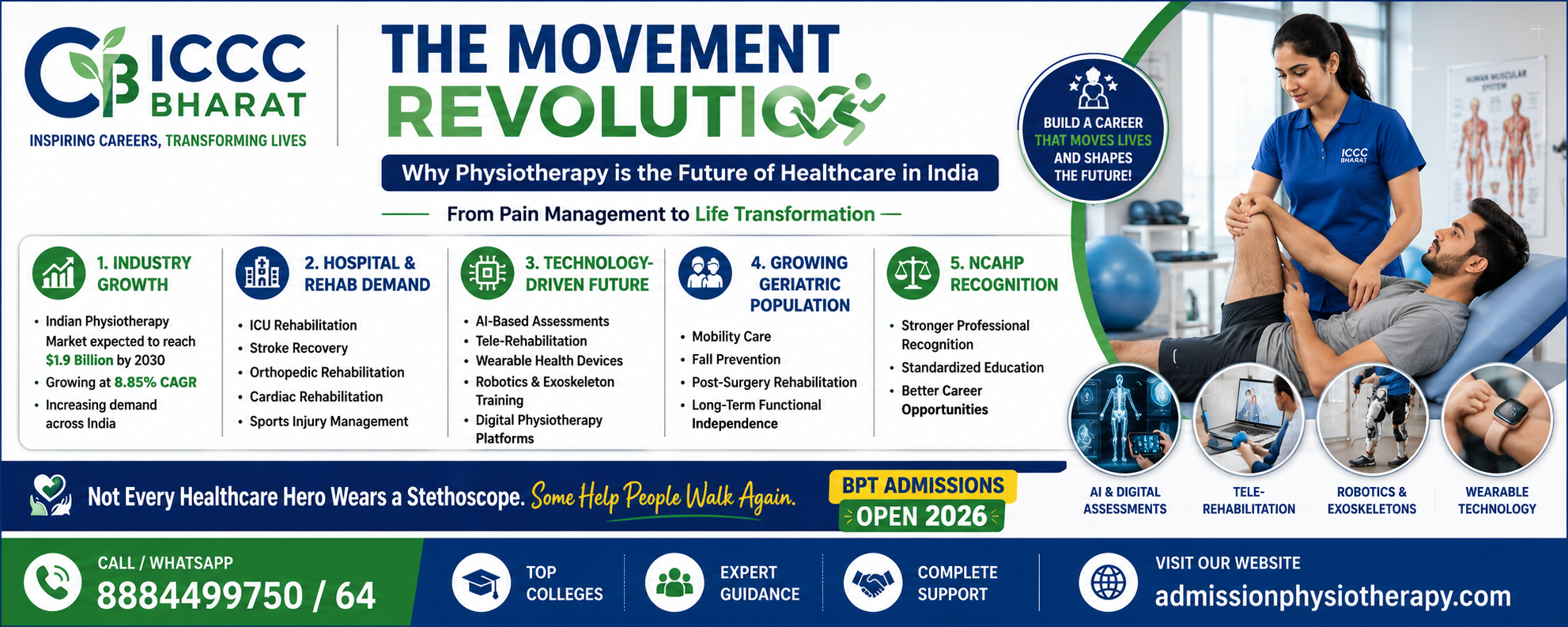
The Movement Revolution: Why Physiotherapy is the Future of Healthcare in India

For decades, the standard response to physical pain or injury in India was straightforward: popped pills, prolonged bed rest, or, in severe cases, an immediate recommendation for surgery. However, a fundamental shift is occurring across the nation’s medical landscape.

As healthcare pivots from merely treating diseases to actively restoring quality of life, physiotherapy has emerged from the shadow of mainstream medicine to become a core pillar of India’s healthcare future. Driven by shifting demographics, a massive surge in lifestyle disorders, and cutting-edge tech integration, physical therapy is no longer just an optional “add-on” treatment—it is a non-invasive necessity.

1. The Numbers Behind the Boom: Industry Growth

The Indian physiotherapy market is experiencing an unprecedented surge. Historically viewed as a secondary supportive service, it has evolved into a highly structured, standalone industry projected to reach nearly $1.9 billion by 2030, growing at a robust Compound Annual Growth Rate (CAGR) of 8.85%.

Several macroeconomic factors are accelerating this growth across the country:

  • The Sedentary Pandemic: The explosion of India’s corporate, IT, and desk-bound workforce has led to an epidemic of repetitive strain injuries, chronic lower back pain, early-onset arthritis, and postural misalignments. Physiotherapists have become the frontline defense against these modern occupational hazards.
  • A Changing Demographic: India is aging. With a rapidly growing geriatric population requiring long-term mobility assistance, fall prevention, and degenerative bone care, the demand for physical rehabilitation has scaled exponentially.
  • The Legislative Catalyst: The implementation of the National Commission for Allied and Healthcare Professions (NCAHP) Act has formally standardized physiotherapy education and practice in India. By establishing strict regulatory frameworks, the act has elevated the professional status, clinical authority, and public trust in physiotherapists.

2. Front and Center: Skyrocketing Demand in Hospitals and Rehab Centers

The clinical ecosystem in India is redefining the role of the physiotherapist. Multispecialty hospital chains and dedicated rehabilitation centers are aggressively expanding their physical therapy wings, recognizing that surgical success is completely tied to post-operative rehabilitation.

Specialized Acute Care

In modern multi-specialty hospitals, physiotherapists are integral members of Critical Care units. From Cardiopulmonary Physiotherapy helping patients wean off ventilators in the ICU, to immediate Neuro-Rehabilitation protocols for stroke survivors within the golden hour, physical therapists are vital to reducing hospital stay durations and preventing secondary complications.

[Patient Admission] ──> [Surgical / Acute Intervention] ──> [Early ICU Mobility & Cardio rehab] ──> [Step-down Specialized Physical Therapy] ──> [Full Functional Recovery]

The Rise of Post-Operative and Sub-Acute Centers

India is experiencing an unprecedented boom in joint replacements (knees and hips), spine surgeries, and cardiac interventions. Specialized rehabilitation centers have sprouted nationwide to bridge the gap between hospital discharge and independent living. Furthermore, with the exponential rise of domestic sports leagues (cricket, football, kabaddi) and a generalized fitness awakening among the Indian youth, Sports Physiotherapy clinics are seeing record patient footprints focused on rapid injury recovery and biomechanical performance enhancement.

3. The Digital Leap: Technology Integration in Physiotherapy

Perhaps the most exciting driver of this healthcare evolution is how seamlessly Indian physiotherapy has integrated state-of-the-art technology. Physical therapy is shedding its purely manual image and embracing a data-driven, highly precise digital ecosystem.

Technology TypeReal-World Application in IndiaPatient Impact
AI-Driven Computer VisionDigital musculoskeletal (MSK) apps tracking joint angles through smartphone cameras.Precise posture analysis and real-time exercise correction at home.
Robotics & ExoskeletonsAdvanced robotic-assisted gait trainers in premier medical colleges and neurological centers.Allows paralyzed or severe stroke patients to safely practice walking patterns.
Wearable IoT SensorsBluetooth-enabled bands and smart clothing that monitor range of motion (ROM).Provides therapists with remote, objective biofeedback on muscle activation.
Tele-RehabilitationHybrid healthcare models blending in-clinic sessions with virtual consultations.Eradicates geographical barriers, bringing elite urban specialists to tier-2 and tier-3 towns.

This tech transformation is critical for India. Digital MSK healthcare alone is projected to grow at a staggering CAGR of 23.5%, providing scalable, cost-effective, and highly personalized home-care solutions to a massive population that cannot always commute to a physical clinic.

The Shift to Non-Invasive Care

Modern Indian healthcare consumers are highly informed. There is a conscious, visible retreat from the over-prescription of painkillers and a desire to avoid unnecessary surgeries. Physiotherapy directly addresses this demand by offering evidence-based, movement-as-medicine solutions that treat the root cause of physical dysfunction rather than masking the symptoms.

Moving Forward

As India marches toward a healthcare model heavily focused on longevity, functional independence, and preventative wellness, the traditional focus on purely pharmacological remedies is shifting. By combining clinical expertise with accessible digital tech and robust institutional backup, physiotherapy is successfully cementing its position as the undisputed future of Indian healthcare.
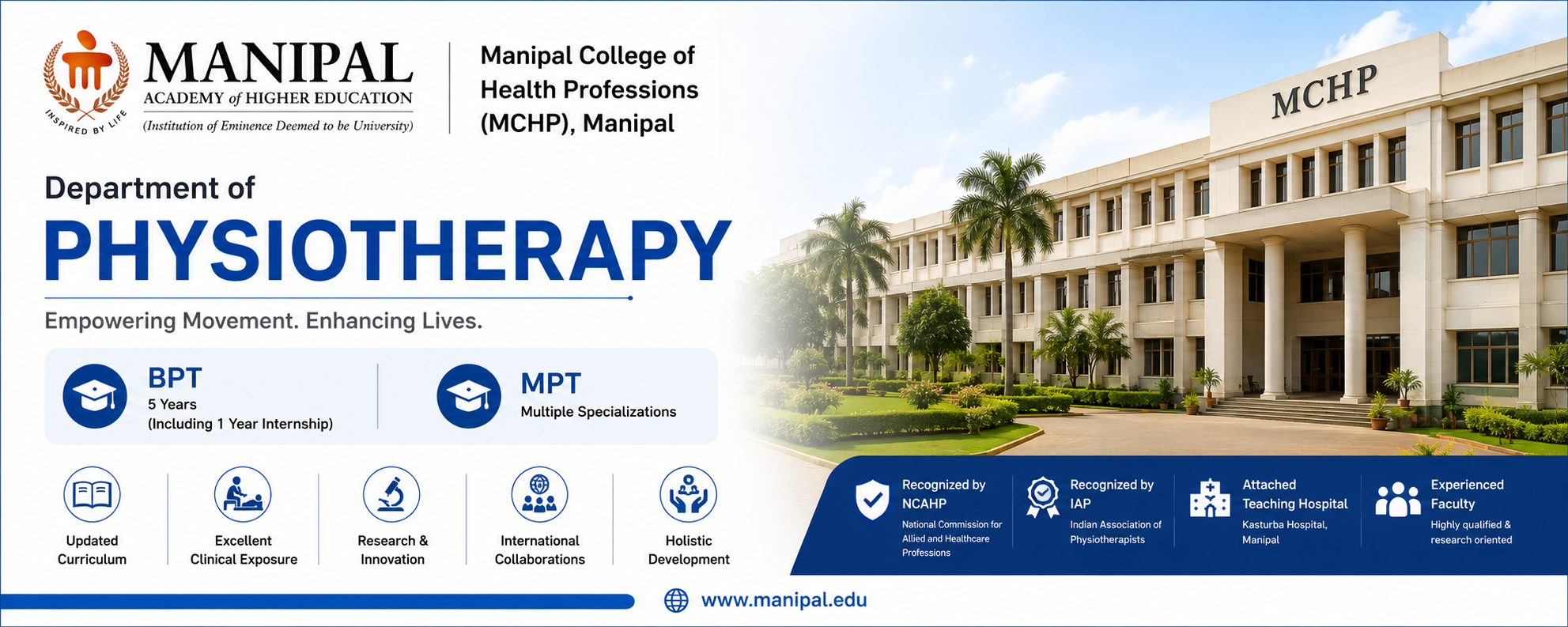
Manipal College of Health Professions (MCHP), Manipal: A Premier Destination for Physiotherapy Education in India

Physiotherapy is rapidly becoming one of the most promising healthcare professions in India and globally. With growing awareness about rehabilitation, preventive healthcare, sports medicine, geriatric care, and non-invasive treatment methods, the demand for skilled physiotherapists is increasing every year. Among the leading institutions shaping the future of physiotherapy education in India is the Manipal College of Health Professions (MCHP), MAHE Manipal.

Recognized for its international academic standards, advanced infrastructure, strong clinical exposure, and research-oriented learning environment, MCHP Manipal has established itself as one of the most respected institutions for physiotherapy and allied healthcare sciences in India.


Recognition & Accreditation

The Physiotherapy programs offered at MCHP are recognized both nationally and internationally, ensuring students receive globally accepted education and training.

Recognitions:

  • Recognized under the National Commission for Allied and Healthcare Professions (NCAHP)
  • Recognized by the Indian Association of Physiotherapists (IAP)
  • Degrees accepted by several international regulatory bodies
  • Part of Manipal Academy of Higher Education (MAHE), an Institution of Eminence

This recognition provides students with:
✅ Strong professional credibility
✅ Opportunities for higher studies in India and abroad
✅ International career exposure
✅ Industry-standard clinical education


Bachelor of Physiotherapy (BPT) Program

The Bachelor of Physiotherapy (BPT) program at MCHP is carefully designed to meet international healthcare and rehabilitation standards.

Duration:

  • 4 Years Academic Training
  • 1 Year Compulsory Internship

The curriculum is semester-based and focuses heavily on:

  • Evidence-based physiotherapy practice
  • Hands-on clinical skill training
  • Rehabilitation sciences
  • Patient-centered healthcare
  • Research and innovation

Students are trained to become independent, confident, ethical, and highly skilled healthcare professionals.


Why MCHP Manipal Stands Out

Updated & Outcome-Based Curriculum

The program follows a modern, competency-based curriculum designed according to global healthcare standards.

Excellent Clinical Exposure

Students receive practical exposure through:

  • Kasturba Hospital (attached teaching hospital)
  • Specialty rehabilitation clinics
  • Advanced physiotherapy laboratories

Clinical exposure includes:

  • Cardiac and pulmonary rehabilitation
  • Oncology rehabilitation
  • Balance and vestibular rehabilitation
  • Diabetic foot care clinics
  • Antenatal healthcare clinics

International Learning Environment

MCHP offers a multi-disciplinary and multi-cultural environment where students gain exposure to diverse healthcare systems and global best practices.

Research-Focused Education

The institution encourages:

  • Student innovation
  • Evidence-based learning
  • Funded scientific projects
  • High-quality clinical research

Experienced Faculty

The department is supported by:

  • Highly qualified faculty members
  • Research-oriented educators
  • Clinical specialists with extensive practical experience
  • Faculty trained in advanced teaching methodologies

Advanced Infrastructure & Practical Training

MCHP Manipal provides:

  • Modern rehabilitation laboratories
  • Simulation-based learning
  • Advanced physiotherapy equipment
  • Clinical training facilities
  • Attached multi-speciality teaching hospital

The institution ensures that students gain both theoretical knowledge and extensive hands-on experience throughout the course.


Career Opportunities After Physiotherapy

The scope of physiotherapy is expanding rapidly in India and internationally. Physiotherapists are now essential in modern healthcare systems.

Career Opportunities Include:

  • Multi-speciality hospitals
  • Sports rehabilitation centers
  • Orthopedic clinics
  • Neurological rehabilitation units
  • Fitness and wellness centers
  • Corporate healthcare and industrial health
  • Home healthcare services
  • International healthcare organizations
  • Research institutions
  • Digital healthcare startups

Physiotherapists are increasingly in demand wherever people are at risk of injury due to occupation, lifestyle, sports activities, or aging-related conditions.


Future of Physiotherapy in India

The future of physiotherapy in India looks extremely promising.

Market Growth

The Indian physiotherapy market is projected to grow significantly and may reach nearly $1.9 billion by 2030, with increasing demand for rehabilitation and preventive healthcare services.

Technology Integration

Modern physiotherapy is evolving with:

  • Tele-rehabilitation
  • AI-driven rehabilitation assessments
  • Digital musculoskeletal healthcare
  • Gamified rehabilitation therapy

Growing Demand Areas

High-demand specializations include:

  • Sports Physiotherapy
  • Geriatric Rehabilitation
  • Neurological Rehabilitation
  • Cardio-Pulmonary Physiotherapy
  • Oncology Rehabilitation

Professional Recognition

Under the NCAHP framework, physiotherapy is gaining stronger professional recognition and structured healthcare identity in India.


MPT (Master of Physiotherapy) Specializations

MCHP Manipal also offers MPT programs in advanced specializations including:

  • MPT Musculoskeletal Sciences
  • MPT Neurosciences
  • MPT Cardiopulmonary Sciences
  • MPT Pediatrics
  • MPT Obstetrics & Gynaecology
  • MPT Geriatrics
  • MPT Community Physiotherapy
  • MPT Oncology

These programs are designed for advanced clinical expertise, specialization, and research development.


Fee Structure (2026)

BPT Fee Structure

General Category:

₹12,58,000 (Approx.)

NRI Category:

USD 23,600


MPT Fee Structure

General Category:

₹10,12,000 (Approx.)

NRI Category:

USD 15,600


Admission Process 2026

Admission to the General Category at MAHE Manipal is conducted through:

Manipal Entrance Test (MET) 2026

Students must:

  • Apply online
  • Appear for MET examination
  • Participate in counseling and seat allotment process

NRI admissions may follow separate institutional procedures.


Why Students Choose MCHP Manipal

✅ International Standard Curriculum
✅ Strong Clinical Exposure
✅ Attached Teaching Hospital
✅ Research-Oriented Learning
✅ Global Career Opportunities
✅ Experienced Faculty
✅ Advanced Infrastructure
✅ Multi-Cultural Campus Environment


Conclusion

Manipal College of Health Professions (MCHP), MAHE Manipal continues to be one of India’s top institutions for physiotherapy education. With its evidence-based curriculum, advanced clinical exposure, international collaborations, and strong academic environment, MCHP prepares students to become globally competent healthcare professionals.

As physiotherapy continues to emerge as a crucial pillar of modern healthcare, institutions like MCHP Manipal are playing a significant role in shaping the future of rehabilitation sciences and preventive healthcare in India and abroad.

For students passionate about healthcare, rehabilitation, sports medicine, and improving patient quality of life, physiotherapy offers a meaningful and future-ready career path.