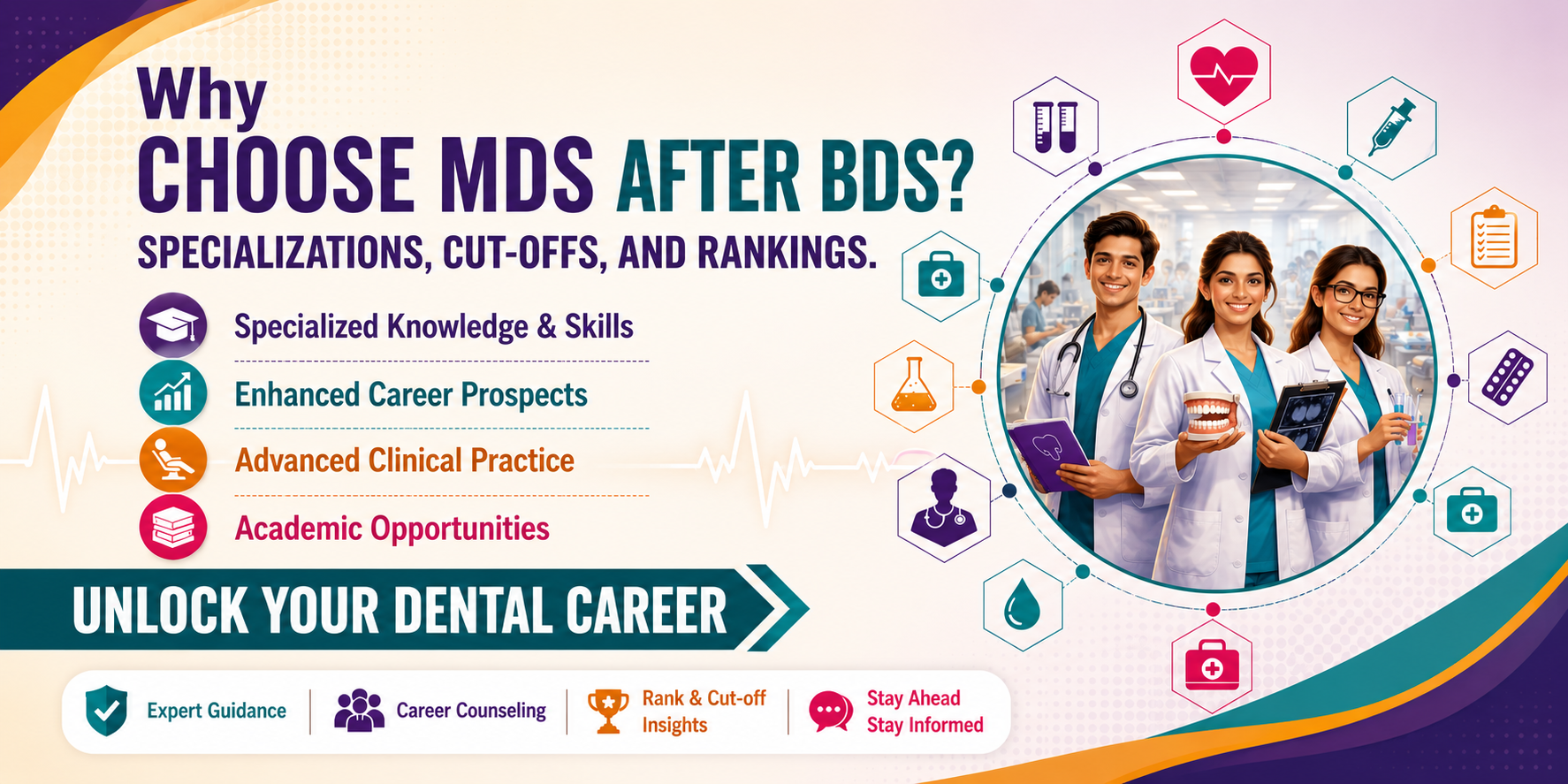
ಬ್ಯಾಚುಲರ್ ಆಫ್ ಡೆಂಟಲ್ ಸರ್ಜರಿ (BDS) ಪೂರ್ಣಗೊಳಿಸುವುದು ಒಂದು ಮಹತ್ವದ ಸಾಧನೆ. ಆದರೆ, ಇಂದಿನ ಸ್ಪರ್ಧಾತ್ಮಕ ಯುಗದಲ್ಲಿ ಉತ್ತಮ ವೃತ್ತಿಜೀವನ ಮತ್ತು ವಿಶೇಷ ಪರಿಣತಿಗಾಗಿ ಅನೇಕ ವಿದ್ಯಾರ್ಥಿಗಳು ಮಾಸ್ಟರ್ ಆಫ್ ಡೆಂಟಲ್ ಸರ್ಜರಿ (MDS) ಆಯ್ಕೆ ಮಾಡುತ್ತಿದ್ದಾರೆ.
MDS ಯಾಕೆ ಮಾಡಬೇಕು?
1. ವಿಶೇಷ ಜ್ಞಾನ ಮತ್ತು ಕೌಶಲ್ಯ
MDS ಮೂಲಕ ವಿದ್ಯಾರ್ಥಿಗಳು ಡೆಂಟಿಸ್ಟ್ರಿಯ ನಿರ್ದಿಷ್ಟ ವಿಭಾಗದಲ್ಲಿ ಆಳವಾದ ಜ್ಞಾನ ಮತ್ತು ಪ್ರಾಯೋಗಿಕ ಅನುಭವವನ್ನು ಪಡೆಯುತ್ತಾರೆ. ಆರ್ಥೋಡಾಂಟಿಕ್ಸ್, ಓರಲ್ ಸರ್ಜರಿ, ಪ್ರೋಸ್ಥೋಡಾಂಟಿಕ್ಸ್, ಪೆರಿಯೊಡಾಂಟಿಕ್ಸ್, ಎಂಡೋಡಾಂಟಿಕ್ಸ್ ಮುಂತಾದ ವಿಭಾಗಗಳಲ್ಲಿ ಪರಿಣತಿ ಗಳಿಸಬಹುದು.
2. ಉತ್ತಮ ಉದ್ಯೋಗಾವಕಾಶಗಳು
MDS ಪದವೀಧರರಿಗೆ ಆಸ್ಪತ್ರೆಗಳು, ಡೆಂಟಲ್ ಕಾಲೇಜುಗಳು, ಕಾರ್ಪೊರೇಟ್ ಡೆಂಟಲ್ ಚೈನ್ಗಳು ಮತ್ತು ಖಾಸಗಿ ಕ್ಲಿನಿಕ್ಗಳಲ್ಲಿ ಹೆಚ್ಚಿನ ಬೇಡಿಕೆ ಇರುತ್ತದೆ. ಇದರಿಂದ ಉತ್ತಮ ಸಂಬಳ ಮತ್ತು ವೃತ್ತಿಪರ ಮಾನ್ಯತೆ ದೊರೆಯುತ್ತದೆ.
3. ಉನ್ನತ ಕ್ಲಿನಿಕಲ್ ಅನುಭವ
MDS ಕೋರ್ಸ್ನಲ್ಲಿ ವಿದ್ಯಾರ್ಥಿಗಳು ಸಂಕೀರ್ಣ ಡೆಂಟಲ್ ಪ್ರಕರಣಗಳನ್ನು ನಿರ್ವಹಿಸಲು ಅಗತ್ಯವಾದ ಉನ್ನತ ಮಟ್ಟದ ತರಬೇತಿ ಪಡೆಯುತ್ತಾರೆ. ಇದು ಅವರನ್ನು ಪರಿಣಿತ ದಂತವೈದ್ಯರನ್ನಾಗಿ ರೂಪಿಸುತ್ತದೆ.
4. ಬೋಧನೆ ಮತ್ತು ಸಂಶೋಧನಾ ಅವಕಾಶಗಳು
ಡೆಂಟಲ್ ಕಾಲೇಜುಗಳಲ್ಲಿ ಉಪನ್ಯಾಸಕರಾಗಿ ಅಥವಾ ಸಂಶೋಧಕರಾಗಿ ವೃತ್ತಿಜೀವನ ರೂಪಿಸಬೇಕೆಂದಿರುವವರಿಗೆ MDS ಅತ್ಯಗತ್ಯ ಅರ್ಹತೆಯಾಗಿದೆ.
NEET MDS ರ್ಯಾಂಕ್ ಮತ್ತು ಕಟ್-ಆಫ್ಗಳ ಮಹತ್ವ
MDS ಪ್ರವೇಶವು ಮುಖ್ಯವಾಗಿ NEET MDS ಪರೀಕ್ಷೆಯ ರ್ಯಾಂಕ್ ಮತ್ತು ಅಂಕಗಳ ಆಧಾರದ ಮೇಲೆ ನಡೆಯುತ್ತದೆ. ಪ್ರತಿ ವರ್ಷ ಕಟ್-ಆಫ್ಗಳು ಕೆಳಗಿನ ಅಂಶಗಳ ಮೇಲೆ ಅವಲಂಬಿತವಾಗಿರುತ್ತವೆ:
• ಪರೀಕ್ಷೆಗೆ ಹಾಜರಾಗುವ ಅಭ್ಯರ್ಥಿಗಳ ಸಂಖ್ಯೆ • ಪ್ರಶ್ನೆಪತ್ರಿಕೆಯ ಕಠಿಣತೆ • ಲಭ್ಯವಿರುವ ಸೀಟುಗಳ ಸಂಖ್ಯೆ • ವರ್ಗವಾರು ಮೀಸಲಾತಿ ನೀತಿಗಳು
ಉತ್ತಮ ರ್ಯಾಂಕ್ ಪಡೆದ ಅಭ್ಯರ್ಥಿಗಳಿಗೆ ಸರ್ಕಾರಿ ಹಾಗೂ ಪ್ರತಿಷ್ಠಿತ ಕಾಲೇಜುಗಳಲ್ಲಿ ಪ್ರವೇಶ ಪಡೆಯುವ ಅವಕಾಶ ಹೆಚ್ಚಾಗಿರುತ್ತದೆ.
ಜನಪ್ರಿಯ MDS ಸ್ಪೆಷಲೈಸೇಷನ್ಗಳು
• Orthodontics & Dentofacial Orthopedics • Oral & Maxillofacial Surgery • Conservative Dentistry & Endodontics • Prosthodontics • Periodontology • Pedodontics & Preventive Dentistry • Oral Medicine & Radiology • Oral Pathology • Public Health Dentistry
ಪ್ರತಿ ವಿಭಾಗವು ತನ್ನದೇ ಆದ ವೃತ್ತಿಜೀವನದ ಅವಕಾಶಗಳು ಮತ್ತು ಬೆಳವಣಿಗೆಯ ಮಾರ್ಗಗಳನ್ನು ಹೊಂದಿದೆ.
ಸರಿಯಾದ MDS ಕಾಲೇಜು ಆಯ್ಕೆ ಹೇಗೆ?
MDS ಕಾಲೇಜು ಆಯ್ಕೆ ಮಾಡುವಾಗ ಈ ಅಂಶಗಳನ್ನು ಗಮನಿಸಬೇಕು:
✅ ಕಾಲೇಜಿನ ಖ್ಯಾತಿ ಮತ್ತು ಮಾನ್ಯತೆ ✅ ಕ್ಲಿನಿಕಲ್ ಎಕ್ಸ್ಪೋಸರ್ ಮತ್ತು ರೋಗಿಗಳ ಸಂಖ್ಯೆ ✅ ಅನುಭವಿ ಅಧ್ಯಾಪಕರು ✅ ಆಧುನಿಕ ಮೂಲಸೌಕರ್ಯ ✅ ಉದ್ಯೋಗ ಮತ್ತು ಭವಿಷ್ಯದ ಅವಕಾಶಗಳು ✅ ಶುಲ್ಕ ಮತ್ತು ಹೂಡಿಕೆಯ ಲಾಭ
ಕೊನೆಯ ಮಾತು
MDS ಕೇವಲ ಒಂದು ಸ್ನಾತಕೋತ್ತರ ಪದವಿ ಅಲ್ಲ; ಇದು ನಿಮ್ಮ ಭವಿಷ್ಯದ ವೃತ್ತಿಜೀವನಕ್ಕೆ ಬಲವಾದ ಹೂಡಿಕೆಯಾಗಿದೆ. ಸರಿಯಾದ ಮಾರ್ಗದರ್ಶನ, ಕೌನ್ಸೆಲಿಂಗ್ ಹಾಗೂ ಕಾಲೇಜು ಆಯ್ಕೆಯ ಮೂಲಕ ನಿಮ್ಮ ಕನಸಿನ ಡೆಂಟಲ್ ವೃತ್ತಿಜೀವನವನ್ನು ನಿರ್ಮಿಸಬಹುದು.
ನಿಮ್ಮ NEET MDS ರ್ಯಾಂಕ್ಗೆ ತಕ್ಕ ಉತ್ತಮ ಕಾಲೇಜು ಮತ್ತು ಸ್ಪೆಷಲೈಸೇಷನ್ ಆಯ್ಕೆ ಮಾಡಲು ತಜ್ಞರ ಮಾರ್ಗದರ್ಶನ ಪಡೆಯಿರಿ.
🦷 ನಿಮ್ಮ ಡೆಂಟಲ್ ವೃತ್ತಿಜೀವನದ ಬಾಗಿಲು ತೆರೆಯಿರಿ – ಸರಿಯಾದ MDS ಆಯ್ಕೆಯೊಂದಿಗೆ!
Every year after NEET UG, many students and parents ask the same question:
“Is BDS a good choice?” “Is BDS a bad career?” “Should I take BDS if I do not get MBBS?” “What will happen after 5 years?”
The honest answer is this:
BDS is not a bad choice. But BDS is a good choice only for the right student, with the right mindset, right college, and right career planning.
BDS should not be taken only because MBBS was not available. Dentistry is a specialized, practical, skill-based healthcare profession. If a student has interest in patient care, hand skills, cosmetic work, clinical practice, and independent career growth, BDS can become a very strong career option.
But if a student is taking BDS only for the “Doctor” title, without interest in dentistry, then it may become difficult in the future.
BDS vs MBBS: What Is the Main Difference?
MBBS is broader. It deals with the entire human body, general medicine, surgery, emergency care, diagnostics, hospital duties, and later specialization through MD/MS.
BDS is more focused. It deals with dental health, oral diseases, oral surgery, prosthodontics, orthodontics, cosmetic dentistry, implants, root canal treatment, and smile correction.
MBBS gives broader medical career options. BDS gives faster independence if the student develops strong clinical skills.
BDS vs MBBS: Clear Comparison
Factor
MBBS
BDS
Duration
5.5 years including internship
5 years including internship
Field
Whole body medicine and surgery
Dental and oral healthcare
Career Nature
Hospital, specialization, emergency care
Clinic-based, procedure-based, skill-oriented
Difficulty
Vast syllabus and long training
Precision-based clinical work
PG Path
MD/MS, highly competitive
MDS, competitive but comparatively focused
Starting Income
Usually better than BDS initially
Lower in starting years
Private Practice
Often needs specialization and investment
Can begin earlier after gaining experience
Lifestyle
Long hours, emergencies, night duties
More predictable working hours
Growth Style
Degree + specialization driven
Skill + patient base + clinic reputation driven
Best For
Students wanting broad medical authority
Students wanting independence and hands-on practice
Is BDS Tough?
BDS is not as vast as MBBS, but it is not easy. It requires a different type of strength.
A BDS student must develop:
Steady hand skills
Precision
Patience
Clinical confidence
Good communication
Eye-hand coordination
Ability to manage patient pain and fear
Artistic sense for smile design and cosmetic work
In MBBS, knowledge load is very broad. In BDS, practical execution matters a lot. A dentist’s work is visible immediately to the patient. That is why skill quality becomes very important.
Future Scope of BDS
The future of dentistry is changing fast. Earlier, many people visited dentists only for pain, extraction, or emergency dental problems. Today, dental care has moved toward appearance, comfort, prevention, and lifestyle.
Major growth areas include:
Cosmetic dentistry
Smile designing
Teeth whitening
Veneers
Dental implants
Aligners
Braces
Root canal treatment
Pediatric dentistry
Laser dentistry
Digital dentistry
Geriatric dental care
Preventive oral health
With increasing awareness, urban and semi-urban families are spending more on dental care. Tier-2 and tier-3 cities also offer good opportunities because competition is comparatively lower than metro cities.
Earning Potential After BDS
Students must understand this clearly: BDS usually does not give very high income immediately after graduation.
A fresh graduate may start as an associate dentist with a modest salary. Initial income may depend on the city, clinic, patient flow, and the student’s clinical ability.
However, income can improve significantly with:
Experience
Specialized training
Better patient handling
Clinic ownership
Cosmetic procedures
Implant practice
Good location
Strong local reputation
Digital marketing and patient referrals
A successful dental clinic can generate strong income over time. But it requires patience, investment, ethics, and consistent service quality.
Career Options After BDS
BDS graduates have multiple career paths.
1. Associate Dentist
A fresh graduate can work under a senior dentist to improve clinical confidence and learn real patient management.
2. Own Dental Clinic
After gaining experience, many dentists start their own clinic. This is one of the biggest advantages of BDS because independence can come earlier compared to many other medical fields.
3. MDS Specialization
Students who want advanced expertise can pursue MDS in branches like Orthodontics, Endodontics, Oral Surgery, Prosthodontics, Periodontics, Pedodontics, and Public Health Dentistry.
4. Corporate Dental Chains
Dental chains and multi-specialty clinics are growing in cities. They offer structured work opportunities for young dentists.
5. Government Jobs
Dental surgeon posts are available in government departments, railways, defense, public health services, and state recruitment, though vacancies may be limited.
6. Army Dental Corps
This is a respected option for eligible dental graduates.
7. Academics and Teaching
After MDS, students can enter teaching, research, and dental college faculty roles.
8. Abroad Pathways
BDS graduates can explore opportunities abroad, but countries like the USA, UK, Australia, Canada, and Gulf nations require licensing exams and additional procedures.
Is MDS Necessary After BDS?
MDS is useful, but not compulsory for everyone.
You should consider MDS if you want:
Specialist identity
Academic career
Higher clinical expertise
Better hospital or institutional opportunities
Stronger brand value in private practice
But students can also grow without MDS if they build strong skills in:
Implants
Endodontics
Cosmetic dentistry
Aligners
Full-mouth rehabilitation
Pediatric dentistry
Digital dentistry
The key is not only the degree. The key is skill, practice, and patient trust.
Cost of MDS
Private MDS can be expensive, especially in clinical branches. Government MDS seats are affordable but highly competitive.
Before choosing BDS, students and parents should discuss:
Whether MDS is financially possible later
Whether the student wants private practice
Whether the family can support clinic setup
Whether the student is ready for skill-based growth
Whether the chosen BDS college has good clinical exposure
This planning is very important.
Advantages of BDS
BDS can be a strong choice because it offers:
Professional doctor identity
Earlier independent practice option
Better work-life balance
Fewer emergency duties
Scope for entrepreneurship
Growing cosmetic dentistry demand
Clinic-based income potential
Opportunity to build a personal brand
Good scope in semi-urban and tier-2 cities
For students who are practical, patient, business-minded, and interested in dental work, BDS can become a rewarding career.
Challenges of BDS
Students should also know the challenges before taking admission.
Starting salary may be low
Metro cities are competitive
Clinic setup requires investment
Patient flow takes time
Poor college selection can reduce confidence
MDS clinical branches can be costly
Abroad licensing is not easy
Success depends heavily on skill and reputation
BDS is not a shortcut. It is a career that grows slowly but strongly when planned properly.
Most Important Factor: College Selection
For BDS, college selection is extremely important. A good dental college should have strong clinical exposure.
Before taking admission, check:
Patient flow in dental OPD
Number of dental chairs
Quality of clinical departments
Internship exposure
Faculty strength
Labs and equipment
Hostel and total fee structure
Location of college
Alumni feedback
MDS departments
Practical training quality
A student who studies in a college with poor clinical exposure may complete the degree but lack confidence in real practice.
Who Should Choose BDS?
BDS is suitable for students who:
Have interest in dentistry
Like practical clinical work
Have patience and hand skills
Want a stable lifestyle
Are ready to build a clinic-based career
Can communicate well with patients
Are willing to upgrade skills regularly
Want faster independence than MBBS
Who Should Avoid BDS?
BDS may not be suitable for students who:
Want only MBBS and are not interested in dentistry
Expect very high income immediately
Dislike hand-based procedures
Are not ready for patient interaction
Do not want to invest time in skill building
Are choosing college only based on low fees
Have no plan after graduation
Final Opinion
BDS is not a bad course. It is a specialized healthcare profession with strong potential for students who understand its nature.
MBBS gives broader medical scope, higher social prestige, and more government/hospital-based opportunities. But it also involves longer training, higher stress, tough PG competition, and delayed settlement.
BDS gives narrower scope but faster independence, better lifestyle, and good earning potential through private practice and advanced dental skills.
The real question is not:
“Is BDS good or bad?”
The real question is:
“Is BDS suitable for my interest, personality, skills, patience, and financial planning?”
If the answer is yes, BDS can give respect, income, independence, and a stable future.
For NEET UG students, the best decision should be taken only after proper counseling, college comparison, fee analysis, and understanding long-term career goals.