मेडिकल प्रवेश व्यवस्था में सुधार की जरूरत: परीक्षा से काउंसलिंग तक जवाबदेही जरूरी

भारत की मेडिकल प्रवेश व्यवस्था आज एक गंभीर मोड़ पर खड़ी है। NEET परीक्षा से लेकर काउंसलिंग, सीट मैट्रिक्स, allotment, NRI दस्तावेज, पोर्टल व्यवस्था और राज्य स्तरीय प्रवेश प्रक्रिया तक, कई जगहों पर ऐसी समस्याएं बार-बार सामने आती हैं जिनसे छात्रों और अभिभावकों का भरोसा कमजोर होता है।

यह मुद्दा केवल किसी एक संस्था या किसी एक परीक्षा तक सीमित नहीं है। समस्या व्यापक है। परीक्षा कराने वाली एजेंसियों से लेकर काउंसलिंग संचालित करने वाली समितियों और मेडिकल शिक्षा से जुड़े नियामक तंत्र तक, कई स्तरों पर खाली पद, स्टाफ की कमी, अनुभव की कमी और कमजोर समन्वय जैसी चुनौतियां दिखाई देती हैं।

छात्रों का भविष्य प्रशासनिक कमजोरी पर निर्भर नहीं होना चाहिए

मेडिकल प्रवेश कोई सामान्य प्रक्रिया नहीं है। यह लाखों छात्रों के करियर, परिवारों की आर्थिक क्षमता और देश के स्वास्थ्य भविष्य से जुड़ा विषय है।

एक छात्र कई वर्षों तक तैयारी करता है। माता-पिता अपनी बचत लगाते हैं। कुछ छात्र हॉस्टल, कोचिंग, यात्रा और मानसिक दबाव का सामना करते हैं। ऐसे में अगर परीक्षा, result, seat matrix, counselling portal या allotment में बार-बार confusion आता है, तो सबसे ज्यादा नुकसान ईमानदार छात्रों को होता है।

छात्रों का भविष्य किसी विभागीय कमी, कमजोर staffing या coordination failure की वजह से प्रभावित नहीं होना चाहिए।

परीक्षा से काउंसलिंग तक मजबूत मानव संसाधन जरूरी

NTA, NBE, MCC, NMC से जुड़े तंत्र, राज्य काउंसलिंग प्राधिकरण और मेडिकल विश्वविद्यालय — सभी पर आज workload बहुत अधिक बढ़ चुका है। मेडिकल कॉलेजों की संख्या बढ़ी है, deemed universities बढ़ी हैं, private colleges बढ़े हैं, NRI/management/minority/quota rules जटिल हुए हैं और छात्रों की संख्या भी बहुत अधिक हो चुकी है।

ऐसे में पुराने ढांचे और सीमित स्टाफ के भरोसे इतनी बड़ी व्यवस्था चलाना व्यावहारिक नहीं है।

जब संस्थाओं में पर्याप्त trained staff नहीं होते, तो समस्याएं बढ़ती हैं:

सीट मैट्रिक्स में देरी
पोर्टल में तकनीकी भ्रम
NRI दस्तावेजों पर अस्पष्ट जवाब
reservation roster में confusion
allotment पर विवाद
students’ grievances का सही समाधान न होना
राज्य और केंद्र के बीच coordination gap
काउंसलिंग schedule में बार-बार बदलाव

इन समस्याओं को केवल “technical issue” कहकर नहीं टाला जा सकता। यह governance और accountability का मामला है।

दिल्ली में संस्थाएं, लेकिन समन्वय कमजोर

देश की कई केंद्रीय मेडिकल शिक्षा और परीक्षा-संबंधित संस्थाएं दिल्ली से संचालित होती हैं। फिर भी कई बार ऐसा लगता है कि परीक्षा एजेंसी, काउंसलिंग समिति, नियामक निकाय और मंत्रालयों के बीच real-time coordination मजबूत नहीं है।

कभी new college approval देर से आता है।
कभी seat matrix late update होती है।
कभी counselling dates और court matters overlap करते हैं।
कभी states और MCC schedules में practical conflict दिखाई देता है।
कभी students को clear जवाब नहीं मिलता।

जब संस्थाएं एक ही राष्ट्रीय उद्देश्य के लिए काम कर रही हैं, तो उन्हें अलग-अलग island की तरह नहीं चलना चाहिए। एक integrated command system, clear responsibility chart और public communication mechanism जरूरी है।

नियुक्तियां योग्यता और अनुभव के आधार पर होनी चाहिए

भारत में योग्य लोगों की कमी नहीं है। हमारे देश में अनुभवी doctors, administrators, IT experts, legal experts, medical education consultants, policy professionals और sincere officers मौजूद हैं।

फिर सवाल उठता है: महत्वपूर्ण पद लंबे समय तक खाली क्यों रहते हैं?
क्यों कई जगह temporary या outsourced arrangements पर निर्भरता बनी रहती है?
क्यों experienced professionals को structured तरीके से शामिल नहीं किया जाता?

सरकार को यह सुनिश्चित करना चाहिए कि सभी महत्वपूर्ण पद पारदर्शी, merit-based और time-bound process के माध्यम से भरे जाएं।

यह धारणा नहीं बननी चाहिए कि नियुक्तियां केवल lobbying, personal approach या internal convenience के आधार पर होती हैं। ऐसी धारणा भी संस्थाओं की विश्वसनीयता को नुकसान पहुंचाती है।

ईमानदार और अनुभवी लोगों को सिस्टम में जगह मिलनी चाहिए

कई बार सक्षम लोग इसलिए सिस्टम में नहीं आते क्योंकि उन्हें लगता है कि merit से ज्यादा networking काम करती है। कुछ लोग इसलिए दूर रहते हैं क्योंकि वे किसी lobby या pressure system का हिस्सा नहीं बनना चाहते।

अगर देश को सच में शिक्षा और परीक्षा व्यवस्था सुधारनी है, तो ऐसे professionals को सम्मानपूर्वक invite करना होगा, उनकी expertise का उपयोग करना होगा और उन्हें decision-making में वास्तविक भूमिका देनी होगी।

ईमानदार अधिकारियों और knowledgeable professionals को केवल सलाहकार बनाकर नहीं, बल्कि जिम्मेदार भूमिका देकर system strengthen करना होगा।

पेपर लीक केवल एक लक्षण है, बीमारी गहरी है

पेपर लीक या परीक्षा विवाद केवल सतह पर दिखने वाली समस्या है। असली बीमारी गहरी है:

कमजोर protocol
मानव संसाधन की कमी
technology पर अधूरा control
outsourcing पर अत्यधिक निर्भरता
जवाबदेही की कमी
slow grievance redressal
institutions के बीच poor coordination
policy और ground implementation में gap

अगर इन मूल कारणों पर काम नहीं किया गया, तो केवल एक परीक्षा सुधारने से समस्या खत्म नहीं होगी।

राज्य काउंसलिंग में भी सुधार जरूरी

कई state counselling authorities हर साल विवादों में रहती हैं। कहीं seat matrix issue आता है, कहीं category eligibility clarity नहीं होती, कहीं NRI documents को लेकर confusion होता है, कहीं minority quota या roster point पर सवाल उठते हैं।

राज्य काउंसलिंग committees को भी trained manpower, legal cell, IT support, admission experts और grievance desk की जरूरत है।

एक state counselling authority को केवल notice upload करने वाली agency की तरह नहीं, बल्कि student-support system की तरह काम करना चाहिए।

केंद्र सरकार को गंभीरता से सुधार करना होगा

यह विषय केवल किसी agency की आलोचना का नहीं है। यह national interest का मुद्दा है।

भारत विकसित देश बनने की दिशा में आगे बढ़ना चाहता है। लेकिन अगर देश के सबसे मेहनती students — doctors, engineers, researchers और healthcare professionals बनने वाले युवा — कमजोर administrative systems के बीच संघर्ष करेंगे, तो भविष्य की गुणवत्ता प्रभावित होगी।

केंद्र सरकार को चाहिए कि वह medical admission ecosystem का complete administrative audit करे।

इसमें शामिल होना चाहिए:

NTA, NBE, MCC, NMC और state counselling bodies का manpower audit
खाली पदों की सूची और समयबद्ध भर्ती
exam और counselling protocols का review
seat matrix publication की fixed timeline
allotment process की independent audit
NRI/minority/category rules पर uniform clarity
state और central agencies के बीच coordination cell
student grievance redressal portal with tracking number
official reply की accountability
technical failure पर responsibility fixing

कानूनी और संवैधानिक दृष्टि से भी जरूरी

मेडिकल admission system Article 14 और Article 21 से जुड़े fairness, equality और career opportunity के सवालों को प्रभावित करता है। जब छात्र समान परीक्षा और समान काउंसलिंग प्रक्रिया में भाग लेते हैं, तो व्यवस्था पारदर्शी, गैर-भेदभावपूर्ण और जवाबदेह होनी चाहिए।

अगर सीटें खाली रह जाती हैं, seat matrix देर से आती है, rules अस्पष्ट रहते हैं या students को सही समय पर सही information नहीं मिलती, तो यह केवल administrative lapse नहीं बल्कि students’ legitimate expectation का भी सवाल बन जाता है।

इसलिए सुधार केवल policy choice नहीं, बल्कि public duty है।

निष्कर्ष

भारत की मेडिकल प्रवेश व्यवस्था को अब cosmetic सुधार नहीं, बल्कि गहरे structural reform की जरूरत है।

पेपर लीक, सीट मैट्रिक्स विवाद, NRI document confusion, portal issues, counselling delays और allotment controversies — ये सभी संकेत हैं कि सिस्टम पर workload बढ़ चुका है और पुराना ढांचा पर्याप्त नहीं है।

सरकार को तुरंत योग्य लोगों की नियुक्ति, मजबूत staffing, बेहतर technology, legal clarity और institutional coordination पर काम करना चाहिए।

भारत में प्रतिभा की कमी नहीं है। कमी है सही लोगों को सही जिम्मेदारी देने की।

छात्रों ने मेहनत में कमी नहीं की है। अब सिस्टम को ईमानदारी, दक्षता और जवाबदेही दिखानी होगी। देश का भविष्य कमजोर प्रशासनिक ढांचे के भरोसे नहीं छोड़ा जा सकता

India’s Medical Admission System Needs Urgent Institutional Reform, Not Temporary Fixes

India’s medical admission system is one of the most sensitive and high-pressure education systems in the country. From entrance examinations to counselling, allotment, seat matrix publication, category verification, NRI documentation, roster implementation and final admission, every step affects the future of lakhs of students and families.

The recent controversies around examinations and counselling should not be seen as isolated incidents. They are warning signs of a deeper institutional weakness.

Across the medical admission ecosystem, several bodies are involved — examination agencies, counselling authorities, regulatory institutions, state counselling boards, universities and government departments. But in many places, the system appears to be functioning with staff shortages, vacant senior positions, weak coordination and inadequate technical support.

This is not merely an administrative issue. It is a national concern.

Vacant Posts and Weak Staffing Are Damaging Trust

When an agency handles high-stakes examinations or counselling for lakhs of students, it cannot function properly with insufficient manpower. If key posts remain vacant, if trained staff are missing, or if temporary arrangements are used repeatedly, mistakes become more likely.

Medical admissions require experienced officers who understand reservation rules, minority quota, NRI quota, domicile rules, seat matrix preparation, fee structures, legal orders, court directions and counselling software.

If the people managing the process lack adequate experience or support, students suffer.

Every wrong seat matrix, delayed notification, confusing circular or poor helpline response creates panic among students and parents.

Counselling Authorities Need Strong Permanent Structures

Medical counselling is not a routine clerical process. It decides the careers of future doctors, dentists and healthcare professionals.

Authorities such as national and state counselling bodies must have permanent offices, trained staff, legal experts, technical teams, admission policy experts and grievance redressal officers.

At present, students often face problems such as:

unclear seat matrix updates,
late addition or withdrawal of colleges,
confusion in NRI documentation,
portal errors,
category and roster disputes,
poor communication from helplines,
delayed allotments,
and repeated counselling-related litigation.

These issues show that the system needs better planning and stronger administrative capacity.

Lack of Coordination Creates Confusion

One of the biggest problems is lack of coordination between central and state authorities.

The Ministry of Health and Family Welfare, NMC, MCC, NTA, universities and state counselling authorities must work in a coordinated manner. If one body releases a schedule, another delays approval, and a third changes the seat matrix, students are left confused.

This becomes more serious when new colleges are added late, permissions are delayed, fee structures are unclear, or court orders affect seat availability.

Students should not suffer because institutions are not communicating properly with each other.

Appointments Must Be Transparent and Merit-Based

India has no shortage of capable people. Across the country, there are experienced doctors, administrators, legal experts, education professionals, technologists and admission specialists who understand the system deeply.

The concern is whether such people are being identified and appointed through transparent, merit-based processes.

Important public institutions should not depend on lobbying, personal influence or informal networks. Appointments in examination and counselling bodies must be based on competence, integrity, experience and proven track record.

A country of more than 140 crore people cannot say that it lacks qualified professionals for key education posts.

Paper Leak Is Only One Symptom

The NEET paper leak controversy is a serious matter, but it is only one visible example of a larger problem.

If examination bodies are understaffed, if security systems are weak, if confidential processes are not monitored properly, and if accountability is unclear, then such incidents become possible.

Similarly, if counselling systems lack staff, legal clarity and technical strength, then seat wastage, wrong allotments and repeated disputes will continue.

The issue is not only about one exam or one counselling round. The issue is the credibility of India’s medical education system.

Students and Parents Are Paying the Price

A student preparing for NEET does not only study for one exam. The student carries years of sacrifice, family expectations and emotional pressure.

Parents spend huge amounts on coaching, hostel, travel, documentation and counselling. Many families take loans or use their life savings for medical education.

When the system fails, the student loses confidence. The parent loses trust. The nation loses future healthcare professionals.

No student should lose an opportunity because of poor administration, vacant posts or delayed decision-making.

The Government Must Act Seriously

The central government has a responsibility to strengthen the entire medical admission system. Temporary fixes, committee announcements and last-minute clarifications are not enough.

The government must create a long-term reform plan with clear deadlines and public accountability.

Important steps should include:

filling vacant posts immediately,
appointing experienced and qualified professionals,
creating permanent technical teams,
strengthening counselling infrastructure,
auditing seat matrix preparation,
improving helpline and grievance systems,
ensuring real-time coordination between NMC, MCC, NTA, universities and states,
making all notices clear and legally consistent,
and publishing transparent timelines for every admission stage.

Legal and Administrative Accountability Is Essential

Medical admission processes are frequently affected by court cases because students and parents often feel that their concerns are not resolved at the administrative level.

If grievance systems are strong, many legal disputes can be avoided.

Every authority must maintain proper records, follow published rules, respond to complaints meaningfully and act within legally valid frameworks. Replies should not be mechanical or vague. Students deserve reasoned answers.

Accountability should not begin only after controversy. It must be built into the system from the beginning.

Reform Is Necessary for India’s Future

India wants to become a global leader in education, healthcare and human resources. But that future cannot be built if bright students are handled by weak systems.

Medical admissions decide who will become tomorrow’s doctors, surgeons, dentists, specialists and healthcare leaders. This process must be protected with the highest level of seriousness.

A strong India needs a strong examination system.
A strong healthcare system needs fair medical admissions.
A fair admission system needs competent people, transparent rules and accountable institutions.

Conclusion

The crisis in medical admissions is not just about paper leaks, vacant seats or counselling delays. It is about institutional trust.

India does not need cosmetic reform. It needs deep structural reform.

The government must strengthen examination bodies, counselling authorities and regulatory systems with experienced staff, permanent infrastructure, transparent appointments and technology-driven accountability.

Students are doing their duty by studying hard. Parents are doing their duty by supporting them. Now the system must do its duty by protecting their future.

Medical admissions must be fair, transparent, timely and professionally managed — because the future of India’s healthcare depends on it

Reform the Exam System, Don’t Scrap NTA

The NEET-UG 2026 paper leak controversy has once again shaken the confidence of students and parents across India. For lakhs of families, NEET is not just an entrance exam. It is years of sacrifice, coaching fees, hostel life, sleepless nights, emotional pressure and one dream — to become a doctor.

When such an exam is cancelled due to paper leak allegations, the pain is not only academic. It is emotional, financial and psychological. Students who prepared honestly feel punished for no mistake of theirs. Parents feel helpless. The system loses trust.

But at this point, the question should not only be whether NTA should be scrapped. The bigger question is: How do we reform the examination system so deeply that students never face this trauma again?

NTA Handles a Huge Examination Ecosystem

The National Testing Agency does not conduct only one exam. It manages several major national-level examinations, including NEET-UG, JEE Main, CUET, UGC-NET and other specialised tests for ministries, regulators and institutions.

This means NTA handles lakhs and even crores of test events every year across multiple languages, thousands of centres, rural and urban regions, and different academic streams.

Such a large testing ecosystem cannot be run casually. It requires permanent leadership, trained manpower, strong technology, clear protocols, real-time monitoring and strict accountability.

NEET-UG 2026 Exposed the Weakest Link

NEET-UG is still conducted in pen-and-paper mode. At this scale, a physical paper system becomes highly vulnerable.

The question paper has to be prepared, translated, printed, packed, stored, transported, opened and distributed at thousands of centres. Every physical step becomes a possible weak point.

For honest students, even one weak link can destroy months of preparation.

This is why reform is urgent. The system cannot depend only on trust. It must be protected by technology, law, accountability and professional management.

CBT Can Reduce Some Risks

Computer-Based Tests are not risk-free, but they reduce many dangers linked to physical paper movement.

In CBT mode, question papers can be delivered through encrypted systems. Access can be controlled. Sessions can be monitored digitally. Audit trails can be maintained. If a problem happens in one centre or one shift, that session can be isolated and corrected without cancelling the entire examination for lakhs of students.

This is one reason why NEET-UG should gradually move towards a secure CBT or hybrid model, with proper infrastructure and support for rural students.

But CBT alone is not enough. Technology must come with honest governance.

The Real Problem Is Weak Structure and Accountability

The NEET crisis is not only about a paper leak. It also exposes deeper administrative problems.

If an agency is conducting exams for more than one crore test events in a year, it cannot run with vacant posts, temporary arrangements, outsourced dependency and unclear responsibility.

Reports of senior vacancies and lack of permanent manpower inside NTA raise serious concerns. A national testing body must have competent people in technology, cybersecurity, logistics, examination law, data management, audit, finance and grievance redressal.

Appointments should not be influenced by lobbying or convenience. They must be based on proven experience, integrity and capability.

India has enough talented professionals. The problem is not lack of people. The problem is lack of transparent selection and serious institutional planning.

Reform Should Be Serious, Not Cosmetic

After every controversy, committees are formed, reports are written and promises are made. But students need more than statements.

India needs real reform:

Clear responsibility at every level
Permanent and qualified manpower
Strict exam security protocols
Digital tracking of question paper movement
Encrypted paper transmission systems
Biometric and face authentication
AI-based anomaly detection
Independent audit of exam processes
Strong cybercrime coordination
Faster grievance redressal
Public accountability after every failure

The Radhakrishnan Committee recommendations should not remain on paper. They must be implemented with deadlines, monitoring and public reporting.

Do Not Punish Honest Students Again and Again

The worst part of any paper leak is that honest students suffer the most.

A student may have travelled hundreds of kilometres. A family may have spent money on coaching, rent, food, exam travel and emotional support. Many students are repeaters who have already given one or two years of their life to this exam.

When the system fails, their pain cannot be dismissed as a technical issue.

Students need assurance that their hard work matters more than money, contacts or manipulation.

Reform NTA, Strengthen It, Make It Accountable

Scrapping an institution may sound attractive during anger, but the real need is to rebuild it with stronger legal and administrative foundations.

NTA should be made more accountable, more transparent and more professional. If needed, it should be given statutory backing through Parliament, with clear responsibility, audit power and public reporting.

The agency must not become a body that conducts exams but avoids accountability when things go wrong.

A national testing agency must be independent, competent and answerable.

Conclusion

The NEET-UG 2026 crisis is a painful reminder that India’s examination system needs urgent reform. But reform should be thoughtful, practical and student-centric.

The goal should not be only to blame NTA or defend NTA. The goal should be to build an examination system that students can trust.

India’s students deserve fair exams. Parents deserve peace of mind. Honest preparation deserves protection.

Reform the test. Strengthen the system. Fix accountability. Protect students.

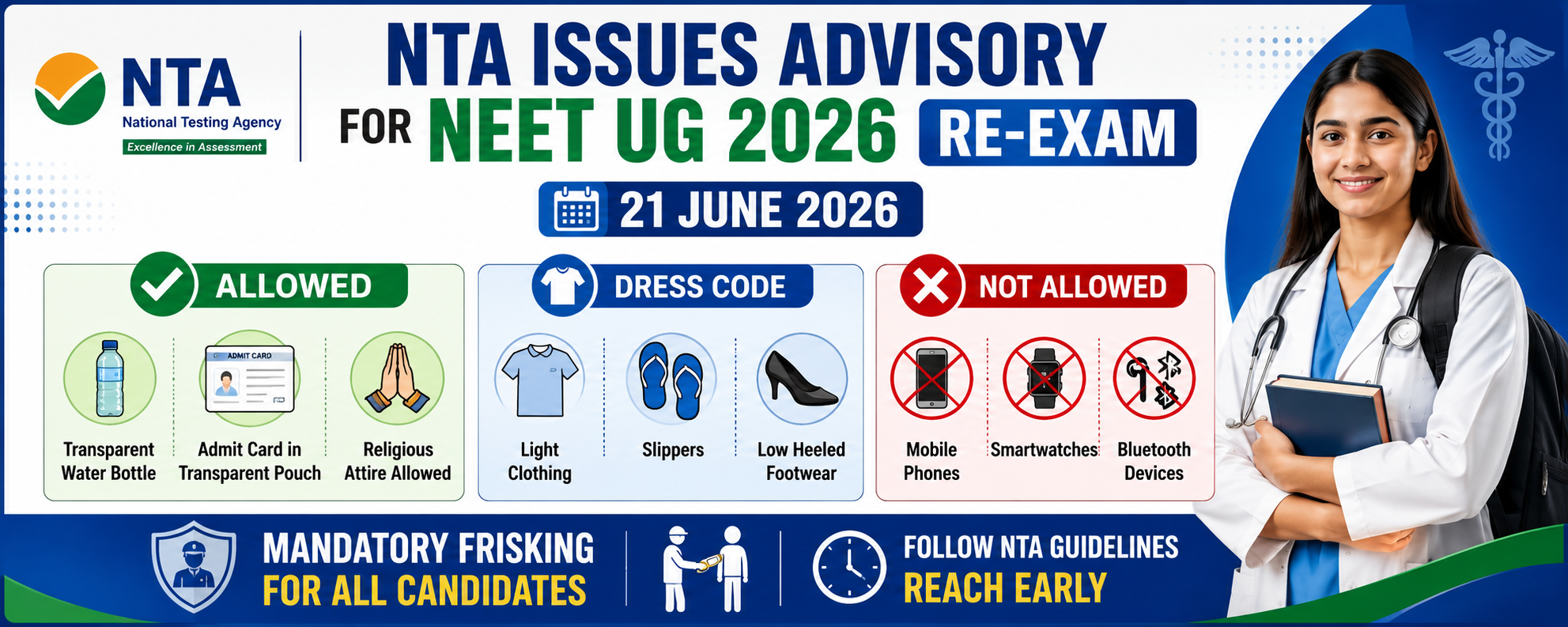
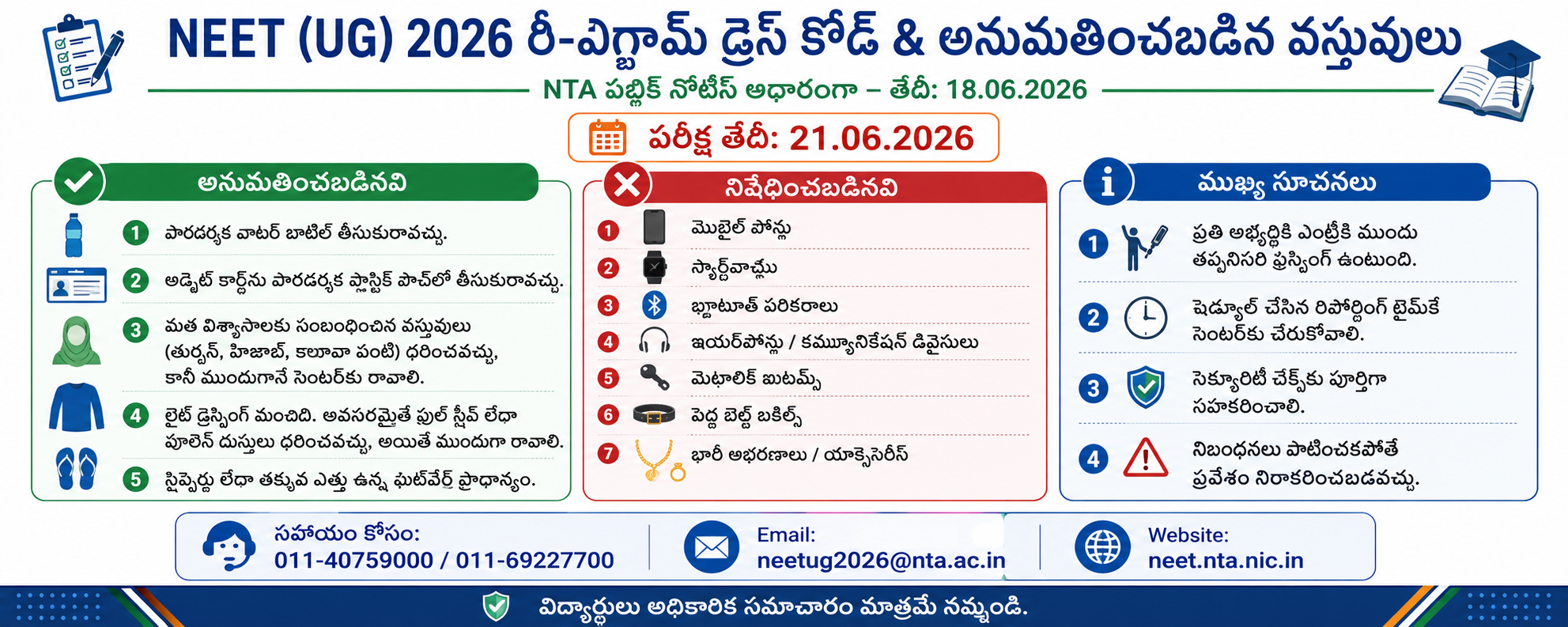
NEET UG Re-Exam 2026: States Asked to Ensure Transport and Basic Facilities Amid Heatwave

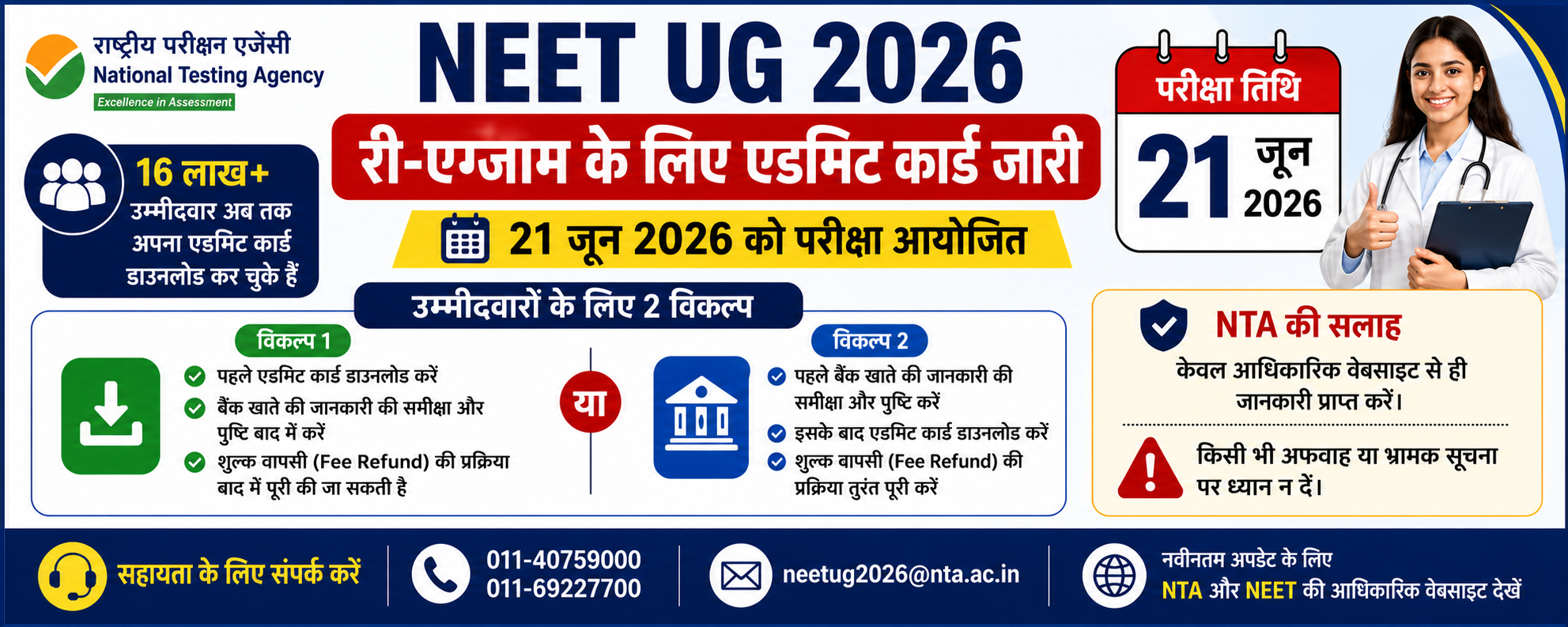
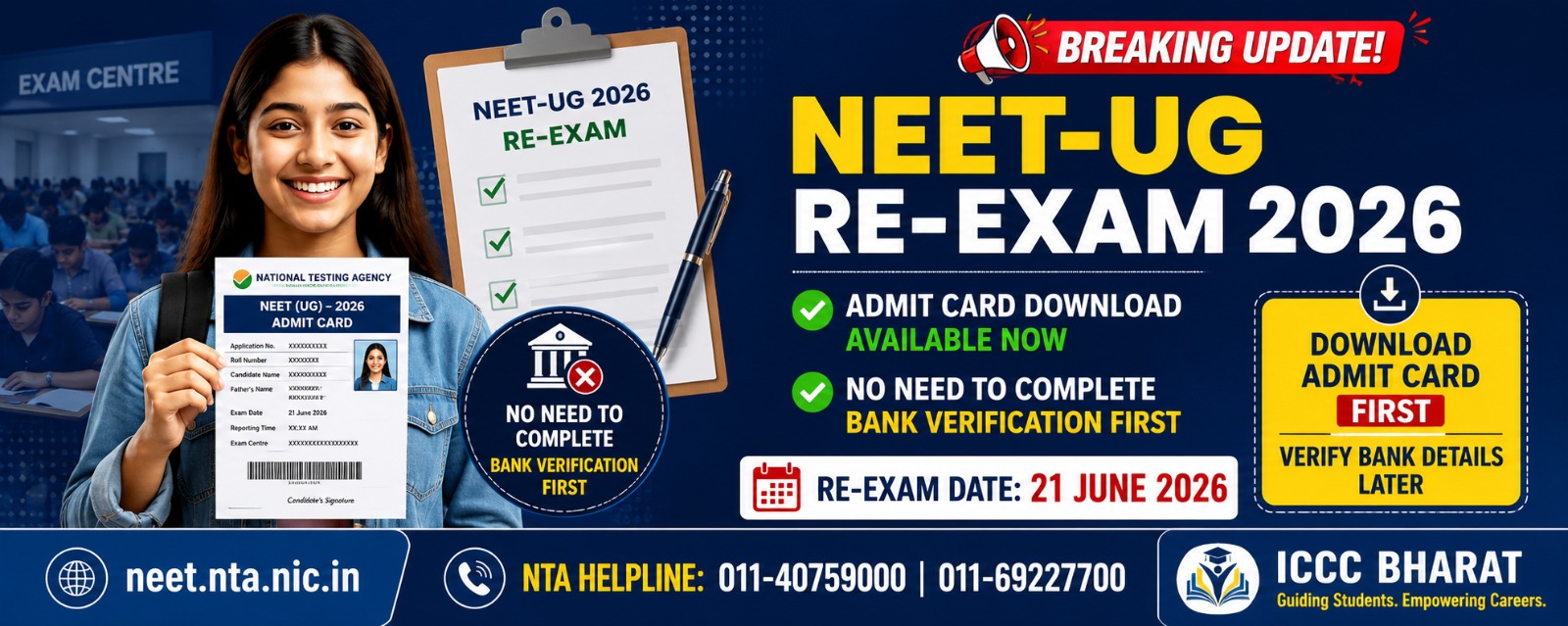
Union Education Minister Dharmendra Pradhan has written to all States and Union Territories, asking them to ensure proper transport facilities and essential amenities for students appearing in the NEET UG 2026 re-examination on June 21.

More than 22 lakh aspirants are expected to appear for the re-test. The earlier NEET UG exam held on May 3 was cancelled after allegations of paper leak and irregularities.

In view of the ongoing heatwave conditions, the Minister has requested State governments, district authorities and institutions hosting exam centres to make proper arrangements for candidates.

The suggested facilities include safe drinking water, proper seating arrangements, working fans or coolers, clean washrooms, shaded waiting areas, uninterrupted electricity supply and portable toilets wherever needed.

The Minister also stressed that the well-being of students must be given top priority. He asked States to ensure adequate transport support so that candidates can reach examination centres without difficulty.

Apart from student comfort, the Ministry has also asked States to cooperate for the smooth, secure, transparent and fair conduct of the re-examination.

Students Should Keep in Mind

Students should reach the exam centre early, carry required documents, drink enough water, avoid panic and follow only official instructions issued by NTA.

The NEET UG re-exam is already a stressful situation for many aspirants. Proper arrangements at exam centres can help reduce anxiety and allow students to focus on their performance.

Final Word

The June 21 re-exam is important for lakhs of medical aspirants. At this stage, students need safety, clarity and support from the system.

Fair exam, safe centres and student-friendly arrangements must be the top priority

How to Take BPT Admission in MGM School of Physiotherapy

MGM School of Physiotherapy is one of the recognized physiotherapy institutions operating under the Mahatma Gandhi Mission healthcare education system. The institute focuses on academic learning, research activities, practical rehabilitation training, and hospital-based clinical exposure. Over the years, MGM has expanded its healthcare education system and established physiotherapy institutions at multiple locations in Maharashtra to provide quality physiotherapy education.

Physiotherapy Campuses of MGM
For physiotherapy programs, MGM has two major campuses:

1. Navi Mumbai Campus (Kamothe) Established: 2008 Location: Sector 1, Kamothe, Navi Mumbai, Maharashtra

2. Aurangabad Campus (Chhatrapati Sambhajinagar) Established: 2009 Location: N-6, CIDCO, Chhatrapati Sambhajinagar (Aurangabad), Maharashtra

Campus Infrastructure Both campuses provide facilities designed for academic and practical learning in physiotherapy.

Campus facilities include:

  • Modern physiotherapy laboratories
  • Digital classrooms
  • Well-equipped central library
  • Research facilities and healthcare journals
  • Sports and recreational areas
  • Hostel facilities for students
  • Cafeteria and student amenities
  • Clinical skill development areas
  • Affiliation and Recognition

MGM School of Physiotherapy functions under MGM Institute of Health Sciences (Deemed to be University) and is recognized by:

  • Maharashtra State Occupational Therapy and Physiotherapy Council (MSOTPT)
  • National Commission for Allied and Healthcare Professions (NCAHP)
  • UGC-recognized university

Attached Hospital One of the major strengths of MGM School of Physiotherapy is its clinical training through an attached teaching hospital. The college is connected with MGM Hospital, Kamothe, which serves as a multi-speciality teaching and healthcare center.

Students receive practical exposure in several departments, including:

  • Orthopedics
  • Neurology
  • Cardiorespiratory rehabilitation
  • Sports physiotherapy
  • Intensive Care Units (ICU)
  • Community rehabilitation services

The hospital-based learning system helps students gain hands-on patient exposure and understand rehabilitation practices in real clinical settings.

Eligibility Criteria for BPT: Candidates seeking admission to the Bachelor of Physiotherapy (BPT) program at MGM School of Physiotherapy must have completed 10+2 or equivalent examination with Physics, Chemistry, Biology, and English as compulsory subjects from a recognized board. Students belonging to the General category are generally required to obtain a minimum of 50% aggregate marks in Physics, Chemistry, and Biology (PCB), while relaxation in marks may be available for reserved categories according to applicable norms. Candidates should also fulfill the age requirements prescribed by the institution and must be medically fit to pursue the physiotherapy program. Selection is carried out through the MGM UG CET (Common Entrance Test) followed by the merit and counseling process.

Admission Process Step-by-Step

Step 1: Online Registration
Step 2: Fill Application Form Required documents generally include:

  • 10th marksheet
  • 12th marksheet
  • Leaving certificate
  • Passport-size photographs
  • Identity proof
  • Category certificate (if applicable)

Step 3: Appear for MGM UG CET
For BPT, students need to appear for MGM UG CET (Undergraduate Common Entrance Test) conducted by MGM Institute of Health Sciences. The examination evaluates students based on Physics, Chemistry, and Biology subjects.
MGM UG CET Exam Pattern Syllabus: Class 11th and 12th (State Board or equivalent)
Total Questions: 200 MCQs

Subjects:

  • Physics – 50 questions
  • Chemistry – 50 questions
  • Biology – 100 questions

Duration: 3 Hours
Marks per Question: 1 mark
Negative Marking: No negative marking

Step 4: Merit List
Step 5: Counseling and Document Verification Document verification

  • Seat allocation
  • Fee confirmation

Step 6: Admission Confirmation

Conclusion:-
MGM School of Physiotherapy has established itself as one of the recognized institutions for physiotherapy education by combining academic learning with practical healthcare exposure. With its two physiotherapy campuses in Navi Mumbai and Aurangabad (Chhatrapati Sambhajinagar), modern infrastructure, attached multi-speciality hospitals, and research-oriented environment, the institution provides students with opportunities to develop both theoretical knowledge and clinical skills. The structured admission process through MGM UG CET, along with hospital-based training and multidisciplinary healthcare exposure, makes MGM a suitable option for students planning to build a career in physiotherapy and rehabilitation sciences.

2026-ൽ നഴ്‌സിംഗ് വിദ്യാർത്ഥികളുടെ പ്രഥമ തിരഞ്ഞെടുപ്പായി മാറുന്ന ഡോ. ബി.ആർ. അംബേദ്കർ ഇൻസ്റ്റിറ്റ്യൂട്ട് ഓഫ് നഴ്‌സിംഗ് 🩺🎓

ഇന്നത്തെ അതിവേഗം വളരുന്ന ആരോഗ്യപരിചരണ മേഖലയിലെ ഏറ്റവും മാന്യവും ആവശ്യകതയേറിയതുമായ തൊഴിൽ മേഖലകളിൽ ഒന്നാണ് നഴ്‌സിംഗ്. മികച്ച വിദ്യാഭ്യാസം, പ്രായോഗിക പരിശീലനം, മികച്ച തൊഴിൽ സാധ്യതകൾ എന്നിവ നൽകുന്ന സ്ഥാപനങ്ങളെയാണ് വിദ്യാർത്ഥികൾ കൂടുതലായി അന്വേഷിക്കുന്നത്. കര്‍ണാടകയിലെ ശ്രദ്ധേയമായ നഴ്‌സിംഗ് സ്ഥാപനങ്ങളിലൊന്നായ ഡോ. ബി.ആർ. അംബേദ്കർ ഇൻസ്റ്റിറ്റ്യൂട്ട് ഓഫ് നഴ്‌സിംഗ്, 2026-ൽ നഴ്‌സിംഗ് പഠനത്തിനായി വിദ്യാർത്ഥികൾ കൂടുതൽ തിരഞ്ഞെടുക്കുന്ന സ്ഥാപനമായി മാറിക്കൊണ്ടിരിക്കുകയാണ്.

വിദ്യാർത്ഥികളുടെ അക്കാദമിക് മികവും മാനവിക മൂല്യങ്ങളും ഒരുപോലെ വളർത്തിക്കൊണ്ടുള്ള പഠനരീതിയാണ് ഈ സ്ഥാപനത്തിന്റെ പ്രധാന സവിശേഷത. ആധുനിക പഠന സൗകര്യങ്ങളും പരിചയസമ്പന്നരായ അധ്യാപകരും പ്രായോഗിക ക്ലിനിക്കൽ പരിശീലനവും വിദ്യാർത്ഥികളെ ആത്മവിശ്വാസമുള്ള ആരോഗ്യപ്രവർത്തകരാക്കി മാറ്റുന്നു.

🌟 ഗുണമേന്മയുള്ള വിദ്യാഭ്യാസവും പ്രൊഫഷണൽ പരിശീലനവും

ഡോ. ബി.ആർ. അംബേദ്കർ ഇൻസ്റ്റിറ്റ്യൂട്ട് ഓഫ് നഴ്‌സിംഗ് വിദ്യാർത്ഥികൾക്ക് ശക്തമായ സിദ്ധാന്തപരമായ അറിവിനൊപ്പം ആശുപത്രി അടിസ്ഥാനത്തിലുള്ള പ്രായോഗിക പരിശീലനവും നൽകുന്നു. പഠനക്രമം വിദ്യാർത്ഥികളെ ആധുനിക ആരോഗ്യരംഗത്തിലെ വെല്ലുവിളികൾ നേരിടാൻ സജ്ജരാക്കുന്നു.

വിദ്യാർത്ഥികൾക്ക് പരിശീലനം ലഭിക്കുന്ന മേഖലകൾ:

  • അടിസ്ഥാന നഴ്‌സിംഗ് പരിചരണം
  • മെഡിക്കൽ & സർജിക്കൽ നഴ്‌സിംഗ്
  • കമ്മ്യൂണിറ്റി ഹെൽത്ത് നഴ്‌സിംഗ്
  • ശിശു ആരോഗ്യ നഴ്‌സിംഗ്
  • മാനസികാരോഗ്യ നഴ്‌സിംഗ്
  • അടിയന്തര & ക്രിറ്റിക്കൽ കെയർ പരിശീലനം

🏥 മികച്ച ക്ലിനിക്കൽ പരിശീലനം

നഴ്‌സിംഗ് വിദ്യാഭ്യാസത്തിൽ ക്ലിനിക്കൽ പരിചയം വളരെ പ്രധാനപ്പെട്ടതാണ്. ഈ സ്ഥാപനത്തിൽ വിദ്യാർത്ഥികൾക്ക് ആശുപത്രി പരിശീലനങ്ങൾ, ക്ലിനിക്കൽ റൊട്ടേഷനുകൾ, കമ്മ്യൂണിറ്റി ഹെൽത്ത് പ്രോഗ്രാമുകൾ എന്നിവ വഴി യഥാർത്ഥ ആരോഗ്യപരിചരണ അനുഭവം നേടാം.

ഈ പരിശീലനങ്ങൾ വിദ്യാർത്ഥികളെ:

  • ആത്മവിശ്വാസമുള്ള നഴ്‌സുമാരാക്കുന്നു
  • രോഗികളുമായി മികച്ച ആശയവിനിമയം നടത്താൻ സഹായിക്കുന്നു
  • ആശുപത്രി അന്തരീക്ഷത്തിൽ പ്രവർത്തിക്കാൻ തയ്യാറാക്കുന്നു
  • പ്രൊഫഷണൽ കഴിവുകൾ മെച്ചപ്പെടുത്തുന്നു

📚 ആധുനിക പഠന സൗകര്യങ്ങൾ

സ്ഥാപനം വിദ്യാർത്ഥികൾക്ക് മികച്ച പഠനാന്തരീക്ഷം നൽകുന്നു. പ്രധാന സൗകര്യങ്ങൾ:

  • ആധുനിക നഴ്‌സിംഗ് ലാബുകൾ
  • ഡിജിറ്റൽ ക്ലാസ്‌റൂമുകൾ
  • സമ്പന്നമായ ലൈബ്രറി സൗകര്യം
  • കമ്പ്യൂട്ടർ & ഗവേഷണ സൗകര്യങ്ങൾ
  • സുരക്ഷിത ഹോസ്റ്റൽ സൗകര്യങ്ങൾ
  • വിദ്യാർത്ഥി സൗഹൃദ ക്യാമ്പസ്

👩‍⚕️ പരിചയസമ്പന്നരായ അധ്യാപകർ

സ്ഥാപനത്തിലെ അധ്യാപകസംഘം വിദ്യാർത്ഥികളുടെ അക്കാദമിക് വളർച്ചയ്ക്കും വ്യക്തിത്വ വികസനത്തിനും പ്രത്യേക പ്രാധാന്യം നൽകുന്നു. വിദ്യാർത്ഥികളെ സെമിനാറുകൾ, ഗവേഷണ പ്രവർത്തനങ്ങൾ, ആരോഗ്യ ബോധവത്കരണ പരിപാടികൾ എന്നിവയിൽ പങ്കെടുക്കാൻ പ്രോത്സാഹിപ്പിക്കുന്നു.

🌍 നഴ്‌സിംഗ് മേഖലയിലെ മികച്ച തൊഴിൽ സാധ്യതകൾ

ലോകമെമ്പാടും യോഗ്യതയുള്ള നഴ്‌സുമാർക്ക് വലിയ ആവശ്യകതയാണ് ഇന്ന് നിലനിൽക്കുന്നത്. ഈ സ്ഥാപനത്തിൽ നിന്ന് പഠനം പൂർത്തിയാക്കുന്ന വിദ്യാർത്ഥികൾക്ക് അവസരങ്ങൾ ലഭ്യമാകുന്ന മേഖലകൾ:

  • മൾട്ടി സ്പെഷ്യാലിറ്റി ആശുപത്രികൾ
  • സർക്കാർ ആരോഗ്യ വകുപ്പുകൾ
  • കമ്മ്യൂണിറ്റി ഹെൽത്ത് സെന്ററുകൾ
  • അധ്യാപന സ്ഥാപനങ്ങൾ
  • ഗവേഷണ കേന്ദ്രങ്ങൾ
  • വിദേശ ആരോഗ്യരംഗങ്ങൾ

🎯 2026–27 അഡ്മിഷൻ ആരംഭിച്ചു

ആരോഗ്യരംഗത്ത് മികച്ച കരിയർ സ്വപ്നം കാണുന്ന വിദ്യാർത്ഥികൾക്ക് ഡോ. ബി.ആർ. അംബേദ്കർ ഇൻസ്റ്റിറ്റ്യൂട്ട് ഓഫ് നഴ്‌സിംഗ് മികച്ച തിരഞ്ഞെടുപ്പായി മാറുന്നു. ഗുണമേന്മയുള്ള വിദ്യാഭ്യാസവും കരുണയുള്ള രോഗി പരിചരണവും പ്രൊഫഷണൽ മികവും ഒരുമിച്ച് നൽകുന്ന സ്ഥാപനം എന്ന നിലയിൽ ഇത് ശ്രദ്ധ നേടിക്കൊണ്ടിരിക്കുന്നു.

✨ “കരുണയോടെ പരിചരിക്കുക. ആത്മവിശ്വാസത്തോടെ നയിക്കുക.”

NTA Chief Says No Full Paper Leak in NEET-UG 2026, Claims Only Some Questions Were Out

The NEET-UG 2026 paper leak controversy has taken another turn after the National Testing Agency told the Parliamentary Standing Committee on Education that there was no full-fledged paper leak in the examination.

According to sources, NTA officials claimed that only certain questions had come out and that the cancellation of the exam was due to malpractice and irregularities, not a complete leak of the full question paper.

This statement appears different from the earlier remarks of Union Education Minister Dharmendra Pradhan, who had publicly accepted that there was a breach in the chain of command and said the government takes responsibility for improving the system.

Why Was the Exam Cancelled?

NTA reportedly told the parliamentary panel that even if only a few questions were compromised, it could damage public trust in the exam. Therefore, the agency decided to cancel the exam under its zero-tolerance policy.

NEET-UG 2026 was conducted on May 3 and later cancelled after allegations of paper leak and circulation of a “guess paper” that allegedly matched several actual exam questions.

The re-examination is scheduled for June 21.

Parliamentary Panel Questions NTA

NTA Chief Abhishek Singh and Higher Education Secretary Vineet Joshi appeared before the parliamentary panel and briefed members about the exam controversy and reform measures.

They told the panel that several recommendations for making NEET more secure have already been implemented, while work on other reforms is still in progress.

Big Question Remains

The main concern now is whether the issue was a limited question leak or a larger breach in the examination system. For students and parents, the technical difference matters less than the impact: lakhs of honest aspirants had to face stress, uncertainty and a fresh exam.

Conclusion

NTA’s claim that there was no full paper leak but only certain questions were out has added a new layer to the NEET-UG 2026 controversy. The CBI investigation and parliamentary scrutiny will now be important in establishing the full truth.

For students, the priority is clear: prepare for the June 21 re-exam, avoid rumours and follow only official updates.

భారతదేశంలో ఆయుర్వేద భవిష్యత్తు: ప్రాచీన జ్ఞానం నుండి ఆధునిక ఆరోగ్య విప్లవం వరకు

ప్రపంచంలోనే అత్యంత పురాతన వైద్య విధానాలలో ఒకటైన ఆయుర్వేదం, ఇప్పుడు కేవలం సాంప్రదాయ మూలికా చికిత్సలకే పరిమితం కాకుండా ఆధునిక శాస్త్రం, సాంకేతికత మరియు ప్రపంచవ్యాప్త గుర్తింపుతో వేగంగా అభివృద్ధి చెందుతోంది. సంపూర్ణ ఆరోగ్యం, నివారణ వైద్యం, జీవనశైలి నిర్వహణపై ప్రజల్లో పెరుగుతున్న అవగాహనతో, భారతదేశంలో ఆయుర్వేద భవిష్యత్తు మరింత ఆశాజనకంగా మారుతోంది.

ప్రస్తుతం ఆరోగ్య సంరక్షణలో ప్రజల ఆలోచనా విధానం మారుతోంది. కేవలం వ్యాధి వచ్చిన తర్వాత చికిత్స పొందడం కాకుండా, ఆరోగ్యాన్ని ముందుగానే కాపాడుకోవడం, రోగనిరోధక శక్తిని పెంచుకోవడం, మానసిక ఆరోగ్యం మరియు దీర్ఘకాలిక శ్రేయస్సుపై ప్రజలు ఎక్కువ దృష్టి పెడుతున్నారు. ఈ మార్పు ఆయుర్వేదం మరియు సమగ్ర వైద్య విధానాలకు భారీ డిమాండ్‌ను సృష్టిస్తోంది. అందువల్ల ఆయుర్వేద పరిశ్రమ భారతదేశ ఆరోగ్య సంరక్షణ రంగంలో ఒక ప్రధాన శక్తిగా ఎదుగుతోంది.

ఆయుర్వేదంలో ఇప్పుడు శాస్త్రీయ పరిశోధనలకు కూడా ప్రాధాన్యం పెరుగుతోంది. ఆయుష్ మంత్రిత్వ శాఖతో పాటు అనేక పరిశోధనా సంస్థలు ఆయుర్వేద ఔషధాలు మరియు చికిత్సలపై క్లినికల్ అధ్యయనాలు, శాస్త్రీయ ధృవీకరణ మరియు ప్రమాణీకరణపై పనిచేస్తున్నాయి. దీని వల్ల వైద్య నిపుణులు మరియు సాధారణ ప్రజల్లో ఆయుర్వేదంపై విశ్వాసం పెరుగుతోంది.

అదే సమయంలో సాంకేతికత కూడా ఆయుర్వేద రంగాన్ని పూర్తిగా మార్చుతోంది. టెలిమెడిసిన్, డిజిటల్ హెల్త్ ప్లాట్‌ఫార్మ్స్, ఆర్టిఫిషియల్ ఇంటెలిజెన్స్ (AI), వెల్నెస్ ట్రాకింగ్ యాప్స్ వంటి సాంకేతిక పరిజ్ఞానాల ద్వారా ఆయుర్వేద సేవలు మరింత సులభంగా అందుబాటులోకి వస్తున్నాయి. ఆన్‌లైన్ కన్సల్టేషన్లు, డిజిటల్ ప్రిస్క్రిప్షన్లు మరియు వ్యక్తిగత ఆరోగ్య విశ్లేషణలతో ఆయుర్వేదం ప్రపంచవ్యాప్తంగా మరింత విస్తరిస్తోంది.

ప్రపంచ స్థాయిలో కూడా ఆయుర్వేదానికి మంచి గుర్తింపు లభిస్తోంది. యూరప్, అమెరికా, మధ్యప్రాచ్యం మరియు ఆగ్నేయాసియా దేశాల్లో ఆయుర్వేద మందులు, యోగా, పంచకర్మ చికిత్సలపై ఆసక్తి పెరుగుతోంది. వెల్నెస్ టూరిజం మరియు మెడికల్ టూరిజం రంగాల్లో భారతదేశం ఒక ముఖ్య కేంద్రంగా మారుతోంది. విదేశీ రోగులు డిటాక్స్ థెరపీ, ఒత్తిడి నియంత్రణ, దీర్ఘకాలిక వ్యాధుల సంరక్షణ కోసం భారతదేశానికి వస్తున్నారు.

ఆధునిక ఆరోగ్య వ్యవస్థలు ఇప్పుడు “చికిత్స” కంటే “నివారణ”పై ఎక్కువ దృష్టి పెడుతున్నాయి. ఇది ఆయుర్వేద మూల తత్వంతో పూర్తిగా సరిపోతుంది. మధుమేహం, ఊబకాయం, అధిక రక్తపోటు, ఒత్తిడి వంటి జీవనశైలి వ్యాధులు పెరుగుతున్న నేపథ్యంలో, ఆయుర్వేదం దీర్ఘకాలిక ఆరోగ్య నిర్వహణకు ఒక విలువైన పరిష్కారంగా మారుతోంది.

ఇక ప్రపంచవ్యాప్తంగా ఆయుర్వేద ఉత్పత్తులకు డిమాండ్ పెరుగుతుండటంతో, ఔషధ మొక్కల సాగు, నాణ్యత నియంత్రణ, ఉత్పత్తి ప్రమాణాలపై కూడా ఎక్కువ దృష్టి పెడుతున్నారు. ఔషధాల భద్రత, స్వచ్ఛత మరియు ప్రభావశీలతను నిర్ధారించడం పరిశ్రమ భవిష్యత్తుకు ఎంతో కీలకం.

బి.ఏ.ఎం.ఎస్ (BAMS) చదివే విద్యార్థులకు కూడా ప్రస్తుతం విస్తృతమైన అవకాశాలు ఉన్నాయి. గతంలో క్లినిక్‌లకు మాత్రమే పరిమితమైన ఉద్యోగ అవకాశాలు ఇప్పుడు అనేక రంగాలకు విస్తరించాయి.

బి.ఏ.ఎం.ఎస్ పట్టభద్రులకు అందుబాటులో ఉన్న ప్రధాన అవకాశాలు:

• క్లినికల్ ప్రాక్టీస్
• పంచకర్మ కేంద్రాలు
• వెల్నెస్ మరియు స్పా పరిశ్రమలు
• ఆసుపత్రి పరిపాలన
• మెడికల్ టూరిజం
• క్లినికల్ రీసెర్చ్
• ఫార్మాస్యూటికల్ కంపెనీలు
• హెల్త్‌కేర్ స్టార్టప్‌లు
• ప్రజారోగ్య కార్యక్రమాలు
• బోధన మరియు విద్యా రంగం
• ఇంటిగ్రేటెడ్ హెల్త్‌కేర్ సిస్టమ్స్

మొత్తంగా చూస్తే, ఆయుర్వేదం ఇప్పుడు సంప్రదాయం మరియు ఆధునిక శాస్త్రం కలయికతో కొత్త దిశగా ప్రయాణిస్తోంది. శాస్త్రీయ ధృవీకరణ, సాంకేతికత, ప్రపంచవ్యాప్త విస్తరణ మరియు నివారణ ఆరోగ్య సంరక్షణపై పెరుగుతున్న దృష్టితో, రాబోయే కాలంలో ఆయుర్వేదం భారతదేశ ఆరోగ్య రంగంలో అత్యంత ప్రభావవంతమైన వ్యవస్థలలో ఒకటిగా మారే అవకాశం ఉంది.

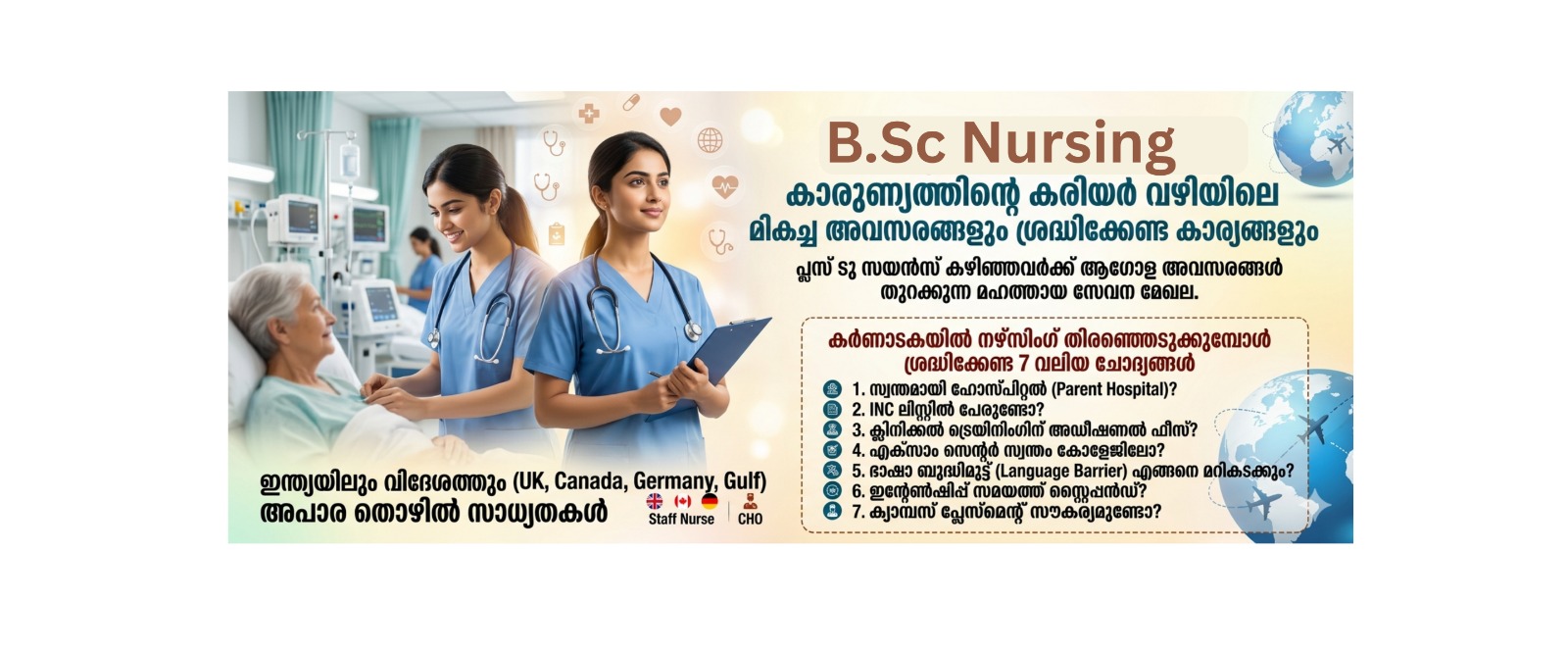
2026ൽ നഴ്‌സിംഗ് വിദ്യാർത്ഥികൾക്കിടയിൽ കൂടുതൽ ശ്രദ്ധ നേടുന്ന കോളേജായി മാറുന്നത് എന്തുകൊണ്ട്?

ഒരു മികച്ച നഴ്‌സിംഗ് കരിയർ സ്വപ്നം കാണുന്ന വിദ്യാർത്ഥികൾക്ക് ശരിയായ കോളേജ് തിരഞ്ഞെടുക്കുന്നത് വളരെ പ്രധാനപ്പെട്ട കാര്യമാണ്. ബെംഗളൂരുവിലെ പ്രമുഖ നഴ്‌സിംഗ് സ്ഥാപനങ്ങളിൽ ഒന്നായ Krupanidhi College of Nursing ഇന്ന് വിദ്യാർത്ഥികളുടെ കൂടുതൽ ശ്രദ്ധ നേടുന്ന കോളേജുകളിലൊന്നായി മാറിക്കൊണ്ടിരിക്കുകയാണ്. മികച്ച ക്യാമ്പസ് സൗകര്യങ്ങൾ, പരിചയസമ്പന്നരായ അധ്യാപകർ, ക്ലിനിക്കൽ എക്സ്പോഷർ, വിദ്യാർത്ഥി കേന്ദ്രീകൃത പഠനരീതി എന്നിവയാണ് കോളേജിന്റെ പ്രധാന പ്രത്യേകതകൾ.

Krupanidhi Educational Trustന്റെ കീഴിൽ പ്രവർത്തിക്കുന്ന ഈ സ്ഥാപനം Rajiv Gandhi University of Health Sciences-നോട് അഫിലിയേറ്റ് ചെയ്തതും Indian Nursing Council (INC), Karnataka Nursing Council (KNC) എന്നിവയുടെ അംഗീകാരം നേടിയതുമാണ്. വർഷങ്ങളായി നഴ്‌സിംഗ് വിദ്യാഭ്യാസ രംഗത്ത് പ്രവർത്തിച്ചു വരുന്ന ഈ സ്ഥാപനം ഇന്ത്യയിലെയും വിദേശ രാജ്യങ്ങളിലെയും ആരോഗ്യരംഗത്തേക്ക് വിദ്യാർത്ഥികളെ തയ്യാറാക്കുന്നതിൽ ശ്രദ്ധ കേന്ദ്രീകരിച്ചുവരുന്നു.

ബെംഗളൂരുവിലെ വിശാലമായ ക്യാമ്പസ് അന്തരീക്ഷം കോളേജിന്റെ പ്രധാന ആകർഷണങ്ങളിൽ ഒന്നാണ്. ആധുനിക ക്ലാസ് മുറികൾ, ലാബുകൾ, ലൈബ്രറി സൗകര്യം, ഹോസ്റ്റൽ സൗകര്യം, ക്ലിനിക്കൽ ട്രെയിനിംഗ് എന്നിവ വിദ്യാർത്ഥികൾക്ക് ലഭ്യമാണ്. വിവിധ ആശുപത്രികളുമായുള്ള ടൈ-അപ്പുകൾ വഴി വിദ്യാർത്ഥികൾക്ക് പ്രായോഗിക പഠനാനുഭവവും റിയൽ-വേൾഡ് നഴ്‌സിംഗ് സ്കിൽസും നേടാൻ അവസരം ലഭിക്കുന്നു.

B.Sc Nursing, GNM, M.Sc Nursing തുടങ്ങിയ കോഴ്‌സുകൾ ഇവിടെ ലഭ്യമാണ്. ഇതിൽ B.Sc Nursing കോഴ്സ് ആശുപത്രികൾ, കമ്മ്യൂണിറ്റി ഹെൽത്ത്, റിസർച്ച് മേഖലകൾ, വിദേശ തൊഴിൽ സാധ്യതകൾ തുടങ്ങിയവ കാരണം കൂടുതൽ വിദ്യാർത്ഥികൾ തിരഞ്ഞെടുക്കുന്ന കോഴ്‌സായി തുടരുന്നു.

ബെംഗളൂരു പോലെയുള്ള മെഡിക്കൽ നഗരത്തിൽ പഠിക്കുന്നതിന്റെ മറ്റൊരു വലിയ ഗുണം മികച്ച ഹെൽത്ത്‌കെയർ എക്സ്പോഷറാണ്. നഗരത്തിലെ മൾട്ടി-സ്പെഷ്യാലിറ്റി ആശുപത്രികളും മെഡിക്കൽ സ്ഥാപനങ്ങളും വിദ്യാർത്ഥികൾക്ക് ഇൻറേൺഷിപ്പ്, സ്കിൽ ഡെവലപ്മെന്റ്, പ്രൊഫഷണൽ നെറ്റ്‌വർക്കിംഗ് തുടങ്ങിയ മേഖലകളിൽ കൂടുതൽ അവസരങ്ങൾ നൽകുന്നു.

2026ൽ നഴ്‌സിംഗ് അഡ്മിഷൻ ആലോചിക്കുന്ന വിദ്യാർത്ഥികൾക്ക് പ്രായോഗിക പഠനവും അക്കാദമിക് പിന്തുണയും നൽകുന്ന ബെംഗളൂരുവിലെ ശ്രദ്ധേയമായ ഓപ്ഷനുകളിൽ ഒന്നായി Krupanidhi College of Nursing തുടരുകയാണ്.

BPT Admission at Krishna College of Physiotherapy, Karad – Complete Information

Students seeking admission to the Bachelor of Physiotherapy (BPT) program at Krishna College of Physiotherapy, Karad can apply through KAIET (Krishna All India Entrance Test) conducted by Krishna Vishwa Vidyapeeth (KVV). KAIET is the university-level entrance examination organized for admission into various allied health science programs including BPT, Nursing, Pharmacy, and other healthcare courses. The examination evaluates students for eligibility and selection into the university’s academic programs.

Krishna College of Physiotherapy, established in 2002, is a constituent institute of Krishna Vishwa Vidyapeeth, Karad. The college focuses on developing skilled physiotherapy professionals through academic learning combined with clinical and practical exposure. The institution offers modern teaching methodologies and hands-on training through its healthcare ecosystem.

Campus and Infrastructure

The university campus is spread across approximately 57 acres in Karad, Maharashtra, providing a healthcare-centered educational environment. The campus includes:

  • Modern classrooms and laboratories
  • Central library with healthcare resources
  • Separate hostel facilities for boys and girls
  • Sports and recreational facilities
  • Wi-Fi-enabled campus
  • Cafeteria and student amenities
  • Clinical learning and research facilities

The multidisciplinary environment also includes Medical, Dental, Nursing, Pharmacy, and Allied Health Sciences institutions.

Attached Hospital

The college is attached to Krishna Hospital & Medical Research Centre, a multi-speciality teaching hospital where students receive practical exposure and clinical training. Students gain experience through patient interaction in areas such as:

  • Orthopedics
  • Neurology
  • Sports Rehabilitation
  • Cardiology
  • ICU and Rehabilitation Units

BPT Admission Process through KAIET 2026

Candidates seeking admission to BPT must fulfill the eligibility criteria and participate in the KAIET (Krishna All India Entrance Test) admission process.

Eligibility Criteria

The candidate should be 17 years of age on or before 31st December 2026 and must have passed Class XII (HSC or equivalent examination) with Physics, Chemistry, Biology, and English as individual subjects. Applicants must secure a minimum of 50% aggregate marks in Physics, Chemistry, and Biology (PCB group), while candidates belonging to backward class categories require a minimum of 40% marks in PCB. Additionally, candidates must obtain a minimum of 50% qualifying marks in the entrance examination conducted by Krishna Vishwa Vidyapeeth (KVVDU) to be considered eligible for admission.

Admission Steps

  1. Register online through the university admission portal
  2. Fill the KAIET application form
  3. Upload required documents
  4. Pay application fee
  5. Appear for KAIET 2026
  6. Merit list and counseling process
  7. Document verification
  8. Admission confirmation through fee payment

KAIET 2026 Important Dates

  • Date & Time of Entrance Exam : 18th June 2026 (Timing: 11.00am to 12.15 pm)
  • Mode of Entrance Test : Online Entrance Examination (Proctored)
  • Last Date of Submission of Application Form : 15th June 2026
  • Entrance Exam Form Fees : 500/- (Non Refundable)

BPT Fee Structure (2026–27)

General Category

  • General Category (85%) Tuition Fees – ₹2,50,000
  • Enrollment / Eligibility Fee – ₹10,000 (One Time)
  • Hostel Fee – ₹50,000 (Yearly)

NRI / Management Category

  • NRI/PIO/ Management Category (15%) Tuition Fees in INR – ₹5,00,000
  • Enrollment / Eligibility Fee – ₹10,000 (One Time)
  • Hostel Fee – ₹50,000 (Yearly)