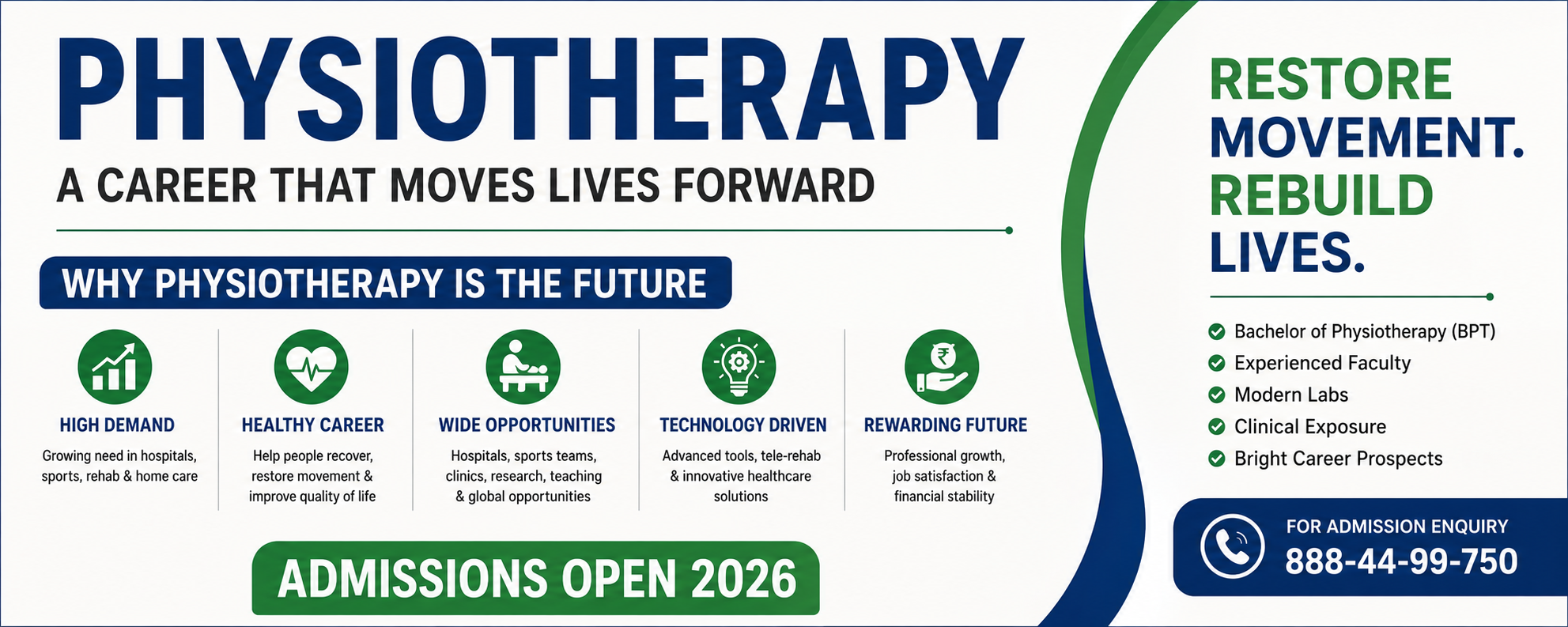
The landscape of medical science has shifted dramatically. While traditional career paths like medicine and surgery remain highly prestigious, physiotherapy (or physical therapy) has emerged as one of the fastest-growing and most sought-after fields in healthcare. Today, millions of students worldwide are proactively choosing physiotherapy as their primary career path rather than a backup option.
This surge in popularity is driven by a profound transformation in how society views health, aging, and recovery.
1. Shifting Toward Non-Invasive, Proactive Healthcare
Modern medical philosophy increasingly emphasizes preventive care and conservative management over immediate surgical or pharmaceutical intervention. Patients and physicians alike prefer treatments that fix the root cause of physical dysfunction without the risks of surgery or the long-term side effects of heavy medication.
Physiotherapy sits perfectly at this intersection. By using movement science, manual therapy, and targeted exercise prescriptions, physiotherapists help the body heal itself. In an era where reducing reliance on opioids for pain management is a global health priority, physiotherapy offers a safe, evidence-based alternative.
2. The Aging Global Population and Chronic Illnesses
Societies around the world are experiencing a massive demographic shift. As the “Baby Boomer” generation transitions into retirement, the need for geriatric healthcare is skyrocketing.
Aging naturally brings a higher incidence of musculoskeletal issues, neurological conditions (like stroke or Parkinson’s disease), and cardiovascular limitations. Physiotherapy is the ultimate tool for helping elderly populations maintain their functional independence, prevent debilitating falls, and enjoy a high quality of life. This massive demographic reality ensures unparalleled job security for decades to come.
3. The Exploding Sports Culture and Fitness Industry
From elite Olympic athletes to corporate workers taking up weekend marathons, physical fitness has become a major cultural pillar. With increased athletic participation comes an inevitable rise in sports-related injuries, such as ACL tears, rotator cuff strains, and stress fractures.
Sports organizations, schools, local clubs, and commercial fitness centers now consider specialized sports physiotherapists an absolute necessity. Students who love sports can seamlessly merge their passion with a medical career, working directly on injury prevention, rapid recovery protocols, and athletic performance optimization.
4. Corporate Wellness and the Sedentary Lifestyle Crisis
The modern workforce spends a staggering amount of time sitting in front of screens. This sedentary lifestyle has led to a global epidemic of repetitive strain injuries, chronic lower back pain, carpal tunnel syndrome, and severe postural imbalances.
To combat this, multinational corporations are actively hiring physiotherapy consultants to design ergonomic workspaces and lead employee wellness programs. This corporate expansion has opened up an entirely new, highly lucrative corporate domain for physiotherapy graduates that simply did not exist a generation ago.
5. Technology-Driven Innovation in Rehabilitation
Physiotherapy is no longer just about manual stretching and heat packs. The field has been revolutionized by cutting-edge technology, making it incredibly exciting for tech-savvy students. Today’s practitioners utilize:
- AI-Powered Motion Analysis: Using camera systems and software to catch micro-deviations in a patient’s stride or movement patterns.
- Wearable Biofeedback Ecosystems: Sensors attached to the body that monitor muscle activation and joint angles in real time.
- Robotic-Assisted Rehabilitation: Exoskeletons that help paralyzed or neurologically impaired patients learn to walk again.
- Virtual Reality (VR): Gamified rehabilitation exercises that make repetitive physical therapy engaging and fun for patients.
Why Students Are Opting for Physiotherapy
For a student choosing their future, physiotherapy offers a rare combination of professional freedom, high job satisfaction, and deeply human fulfillment.
Unlike many medical professionals who spend their days looking at charts or performing rapid-fire consultations, physiotherapists build deep, long-term relationships with their patients. They guide people from states of severe pain and immobility back to independence and strength, witnessing firsthand the transformative impact of their work.
Furthermore, the career path offers incredible autonomy. Graduates are not bound solely to hospital wards; they can establish thriving private practices, work globally with sports franchises, enter research and academia, or offer digital tele-rehabilitation services. With minimal career restrictions, great earning potential, and a globally recognized skillset, physiotherapy stands out as a highly rewarding and forward-facing medical science career.